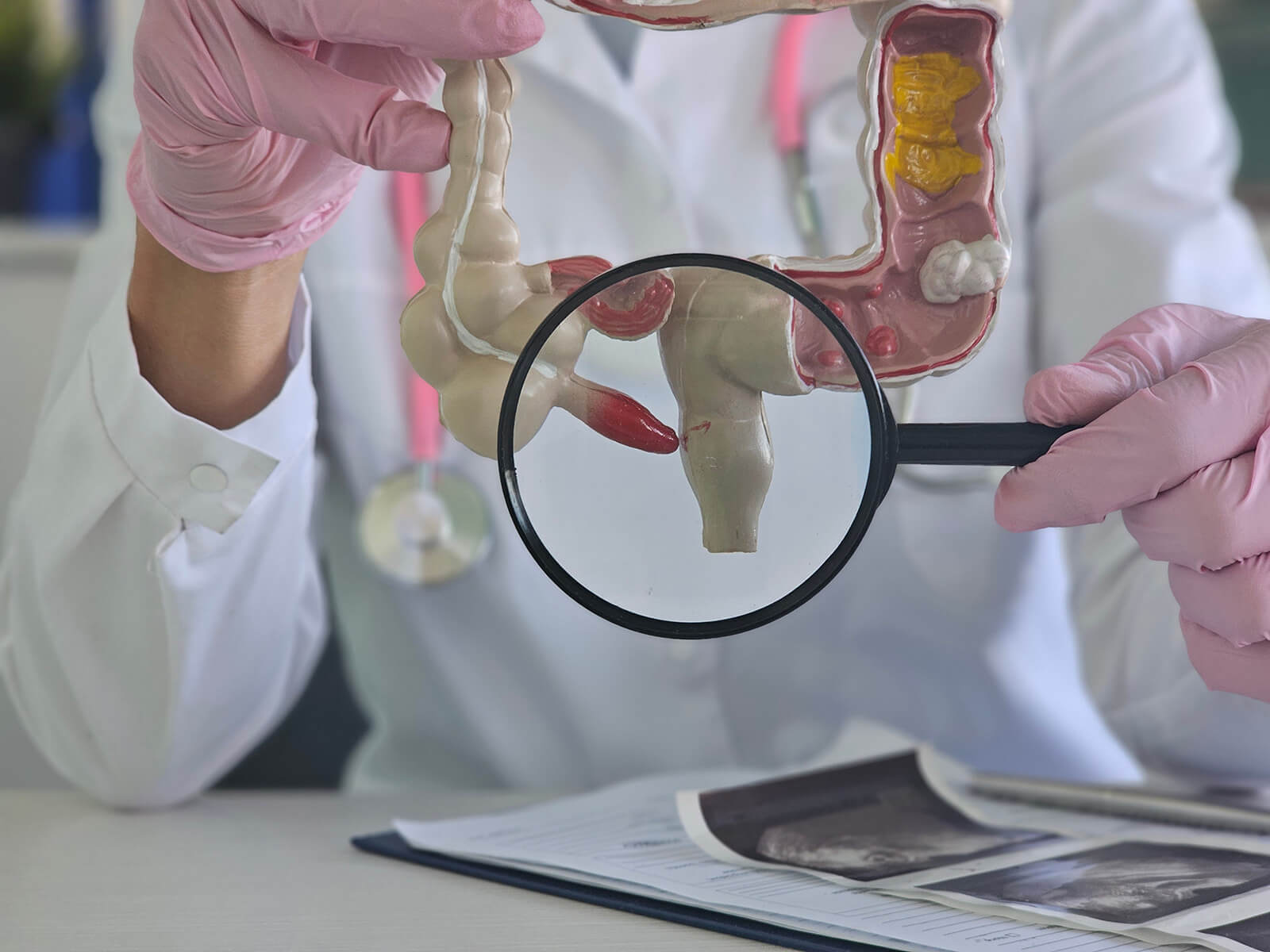








A diverticulum is a small pouch or bulge that forms in the wall of an organ—most commonly in the digestive tract (such as Meckel’s or duodenal diverticulum) or the urinary system (like a bladder or urethral diverticulum). These pouches may remain silent or cause symptoms when they become inflamed, bleed, or lead to obstruction.
Symptoms vary depending on the diverticulum’s location. You may experience:
Diverticula form when internal pressure pushes the inner lining of an organ through weak spots in its muscular wall. Common risk factors include:
When the diverticulum causes pain, bleeding, or urinary problems, there’s no need to wait. Schedule your visit with GastroDoxs in Jersey Village today to receive a prompt evaluation, understand your condition, and build a personalized treatment plan. Book now and take control of your digestive health.
We've successfully treated more than 1.5K patients, helping individuals improve their digestive health and overall well-being through expert, personalized care.
With over 20 years of experience, GastroDoxs has been a trusted provider of gastroenterology care, focusing on delivering the best outcomes for patients
Dr. Bharat Pothuri is a Board-Certified Gastroenterologist and Hepatologist. With extensive experience in digestive health, he specializes in advanced endoscopic procedures, chronic GI disorder management, and preventive care. Dr. Pothuri is dedicated to providing expert, patient-focused insights to help improve gut health and overall well-being.
A diverticulum refers to a single pouch that develops in the wall of an organ, whereas diverticulosis indicates the presence of multiple pouches.
A Meckel scan uses a small amount of radioactive material to detect ectopic gastric tissue in the small intestine, helping confirm the presence of a Meckel diverticulum.
Yes. Duodenal diverticula can become inflamed, bleed, or press on nearby structures, leading to abdominal pain, nausea, or other digestive issues.
Zenker’s diverticulum commonly causes difficulty swallowing (dysphagia), regurgitation of undigested food, chronic cough, and bad breath.
Small bladder diverticula may only need observation. However, larger or symptomatic ones typically require surgical repair or removal to prevent infections and urinary complications.
Yes. Urethral diverticulum is rare, but it may lead to frequent urinary tract infections, post-void dribbling, pain, or discomfort while urinating.
Not always. Most diverticula can be managed with dietary adjustments, fiber supplements, and medications. Surgery is only needed for severe, recurrent, or complicated cases.
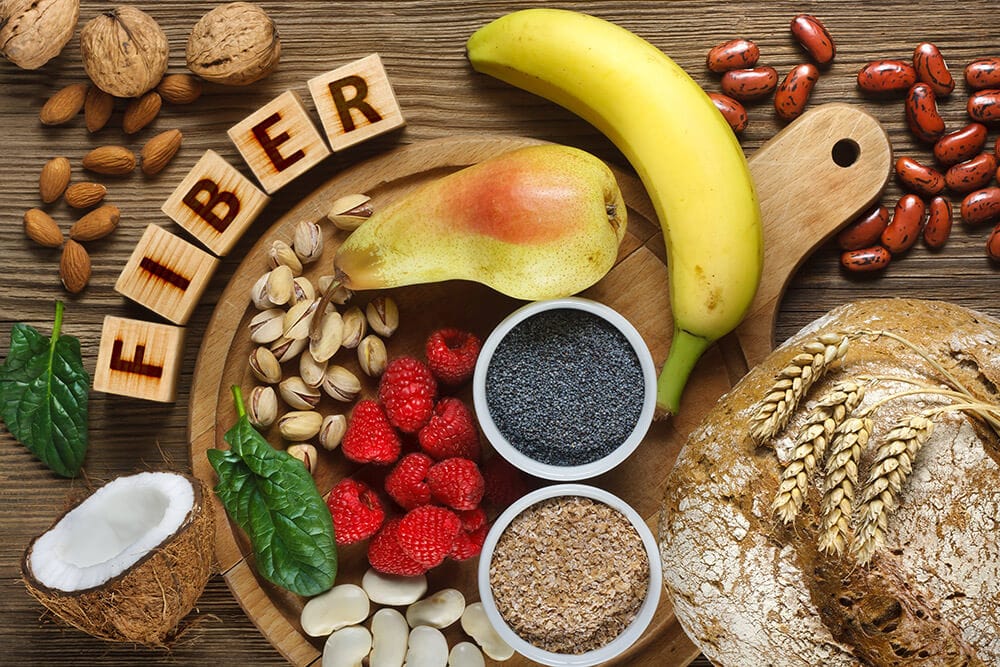
Yes. A high-fiber diet helps soften stools, reduce intestinal pressure, and may prevent new diverticula from forming or worsening existing ones.
Visit GastroDoxs in Jersey Village, where our specialists diagnose and treat all types of diverticula with personalized plans, prompt appointments, and expert care.
Consult your doctor if you experience persistent abdominal or pelvic pain, bleeding, swallowing difficulties, frequent bladder infections, or urinary problems.