






1.9K Reviews    |    4.7 Star Rating    |    20+ years of experience    |    72k+ Patients Treated
Bệnh túi thừa đại tràng

Diverticulosis of Colon

Colonic small pouches are called diverticulosis. It remains unspoken yet can cause uneasiness or heat. GastroDoxs offers the diagnosis and dietary assistance and controls the symptoms of the long-term colon wellbeing in Jersey Village.

Call Us 832-632-4070 Schedule Now Click Here Text Us 832-632-4070 Learn More Click Here
Texas Medical Board
Harris County Medical Society
American College of Gastroenterology
American Society for Gastrointestinal Endoscopy
Memorial hermann
Houston Methodist leading Medicine
HCA Houston Healthcare
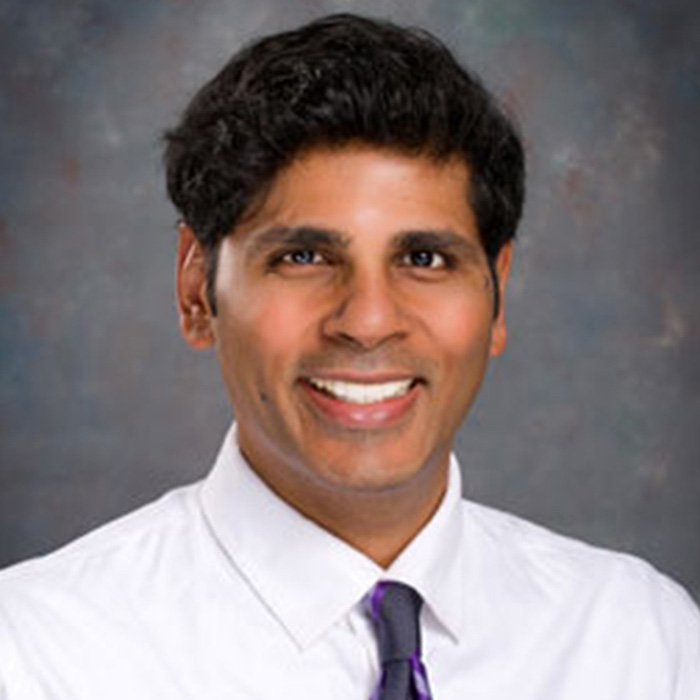
Bharat Pothuri
Symptoms

What is Diverticulosis of the Colon?

Diverticulosis of the colon occurs when small pockets called diverticula push through weak areas in the wall of your large intestine. It is one of the most common conditions seen after age 40 and often shows no symptoms. Early diagnosis can help prevent future complications and promote long-term colon health.

Common Symptoms

Many people with diverticulosis do not experience symptoms. When signs appear, they may include:

  • Mild cramps after eating or during digestion
  • Changes in bowel habits such as constipation or diarrhea
  • Persistent discomfort in the lower left side of the abdomen
  • Occasional blood in the stool (seek immediate medical attention if this occurs)

Causes

The exact cause of diverticulosis is not fully understood, but several factors can increase your risk:

  • Low-fiber diet that leads to harder stools and higher pressure within the colon
  • Aging, which naturally weakens the colon walls over time
  • Being overweight or obese
  • Lack of regular physical activity
  • Family history of diverticular or other colon-related diseases
Treatment

Treatment Options for Diverticulosis of the Colon in Jersey Village

Treatment involves lifestyle adjustments, dietary management, and regular medical follow-up:

  • High-fiber diet: Aim for 25–30 grams of fiber daily through fruits, vegetables, and whole grains to maintain soft and regular stools.
  • 7-day high-fiber vegetarian meal plan: Follow a detailed plan with recipes and snack options designed to help you meet your daily fiber goals.
  • Hydration: Drink at least 8–10 glasses of water every day to support bowel function and prevent cramping.
  • Physical activity: Engage in light daily exercise, such as walking or swimming for 30 minutes, to keep digestion active and healthy.
  • Fiber supplements and probiotics: Use psyllium husk or methylcellulose if your diet lacks fiber, and consider probiotics to maintain balanced gut bacteria.
  • Regular colonoscopy and monitoring: Schedule periodic scopes—usually every 5–10 years—based on your gastroenterologist’s advice to detect any early changes.
  • Medications when needed: Mild stool softeners or bulk-forming laxatives may help relieve constipation, while prescription treatments are reserved for more severe symptoms.

Why Choose GastroDoxs?

At GastroDoxs, our team brings years of specialized experience in digestive health and a patient-first philosophy. From diagnosis and ICD-10 code support to personalized treatment strategies and aftercare, we guide you through every step of your care journey. Don’t wait to take charge of your colon health call us at 832-476-1649 or book your appointment online today for a customized plan built just for you.

19.8K

Patients Treated

We've successfully treated more than 19.8K patients, helping individuals improve their digestive health and overall well-being through expert, personalized care.

20Y

Years of Experience

With over 20 years of experience, GastroDoxs has been a trusted provider of gastroenterology care, focusing on delivering the best outcomes for patients

Bharat Pothuri

About the Author

Dr. Bharat Pothuri is a Board-Certified Gastroenterologist and Hepatologist. With extensive experience in digestive health, he specializes in advanced endoscopic procedures, chronic GI disorder management, and preventive care. Dr. Pothuri is dedicated to providing expert, patient-focused insights to help improve gut health and overall well-being.

Frequently Asked Questions

Which is the ICD-10 code of diverticulosis of the colon?

K57.30 and K57.32 are the ICD-10 codes used for diverticulosis of the colon without inflammation.

Does diverticulosis produce pain?

Most people with diverticulosis do not experience pain. However, when the pouches become inflamed or infected, they can cause sharp discomfort or abdominal pain.

How is diverticulosis diagnosed?

Diverticulosis is typically diagnosed through imaging tests such as a colonoscopy or an abdominal CT scan, which allow your doctor to view the colon directly.

What is the recommended diet for diverticulosis?

A high-fiber diet rich in fruits, vegetables, whole grains, and legumes helps soften stools and reduce pressure on the colon, preventing flare-ups.

Will diverticulosis always progress to diverticulitis?

No. Many people with diverticulosis never develop diverticulitis. Maintaining a healthy diet, proper hydration, and an active lifestyle can significantly reduce inflammation risks.

How often should I have a colonoscopy if I have diverticulosis?

Your gastroenterologist may recommend a colonoscopy every 5–10 years, depending on your medical history and overall risk factors.

Do home remedies help manage diverticulosis?

Yes. Increasing dietary fiber, staying hydrated, and engaging in light daily exercise like walking can help relieve symptoms and prevent complications.

When should I see a specialist for diverticulosis?

Consult a gastroenterologist if you experience rectal bleeding, persistent abdominal pain, fever, or noticeable changes in bowel habits.

Does diverticulosis ever require surgery?

Surgery is uncommon and is only considered for recurrent complications such as persistent bleeding, abscess formation, or colon perforation.

Can children develop diverticulosis?

Diverticulosis is rare in children. It most often occurs in adults over the age of 40 due to natural weakening of the colon with age.


Related Blogs
Abdominal Pain

8 Ways to Remedy Acid Reflux Without Medication

Read More
Abdominal Pain

IBD-Friendly Snacks to Munch On

Read More
Abdominal Pain

All About Liver Elastography

Read More