







Diverticulosis of the colon occurs when small pockets called diverticula push through weak areas in the wall of your large intestine. It is one of the most common conditions seen after age 40 and often shows no symptoms. Early diagnosis can help prevent future complications and promote long-term colon health.
Many people with diverticulosis do not experience symptoms. When signs appear, they may include:
The exact cause of diverticulosis is not fully understood, but several factors can increase your risk:
At GastroDoxs, our team brings years of specialized experience in digestive health and a patient-first philosophy. From diagnosis and ICD-10 code support to personalized treatment strategies and aftercare, we guide you through every step of your care journey. Don’t wait to take charge of your colon health call us at 832-476-1649 or book your appointment online today for a customized plan built just for you.
We've successfully treated more than 19.8K patients, helping individuals improve their digestive health and overall well-being through expert, personalized care.
With over 20 years of experience, GastroDoxs has been a trusted provider of gastroenterology care, focusing on delivering the best outcomes for patients
Dr. Bharat Pothuri is a Board-Certified Gastroenterologist and Hepatologist. With extensive experience in digestive health, he specializes in advanced endoscopic procedures, chronic GI disorder management, and preventive care. Dr. Pothuri is dedicated to providing expert, patient-focused insights to help improve gut health and overall well-being.
K57.30 and K57.32 are the ICD-10 codes used for diverticulosis of the colon without inflammation.
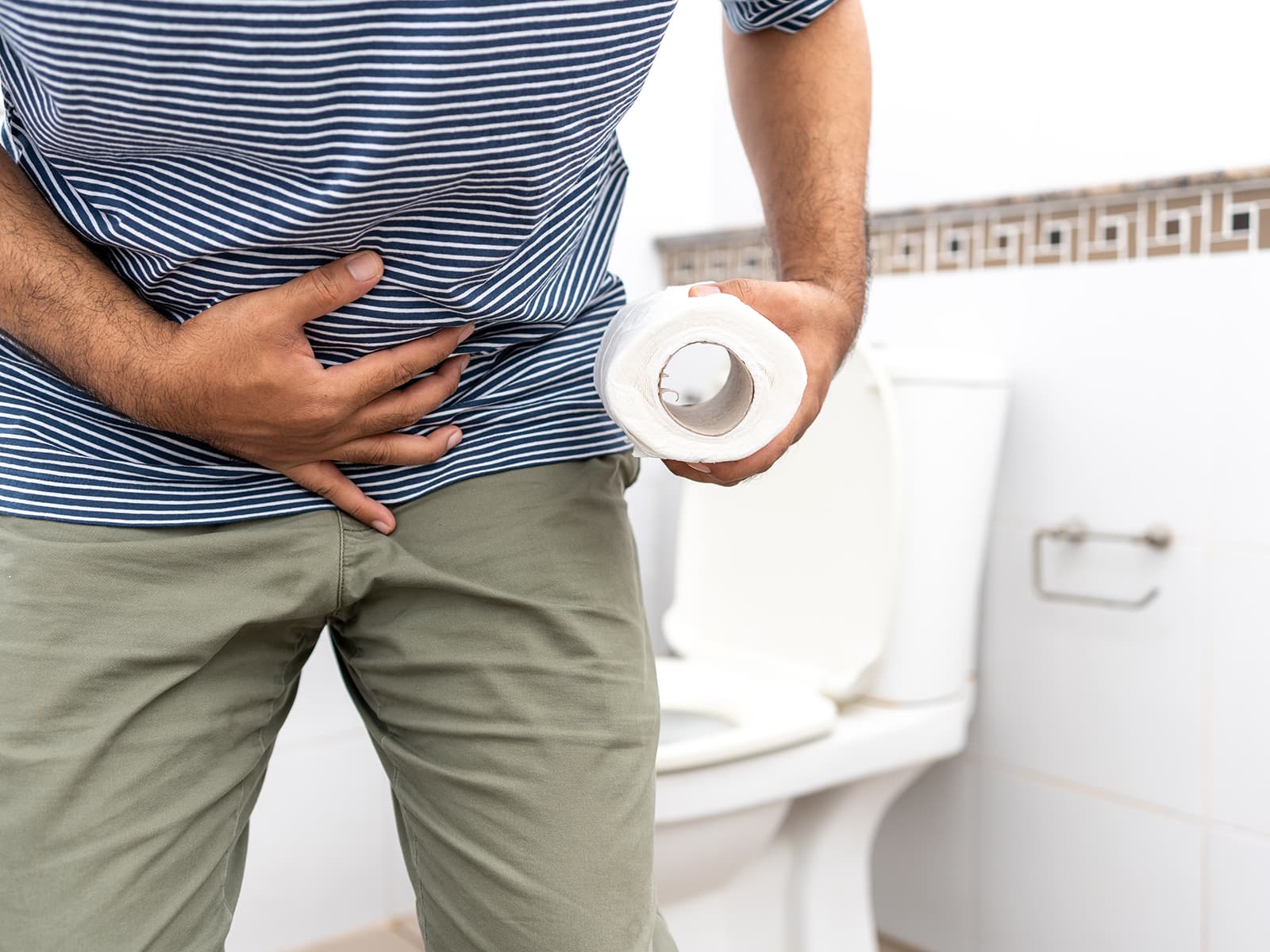
Most people with diverticulosis do not experience pain. However, when the pouches become inflamed or infected, they can cause sharp discomfort or abdominal pain.
Diverticulosis is typically diagnosed through imaging tests such as a colonoscopy or an abdominal CT scan, which allow your doctor to view the colon directly.
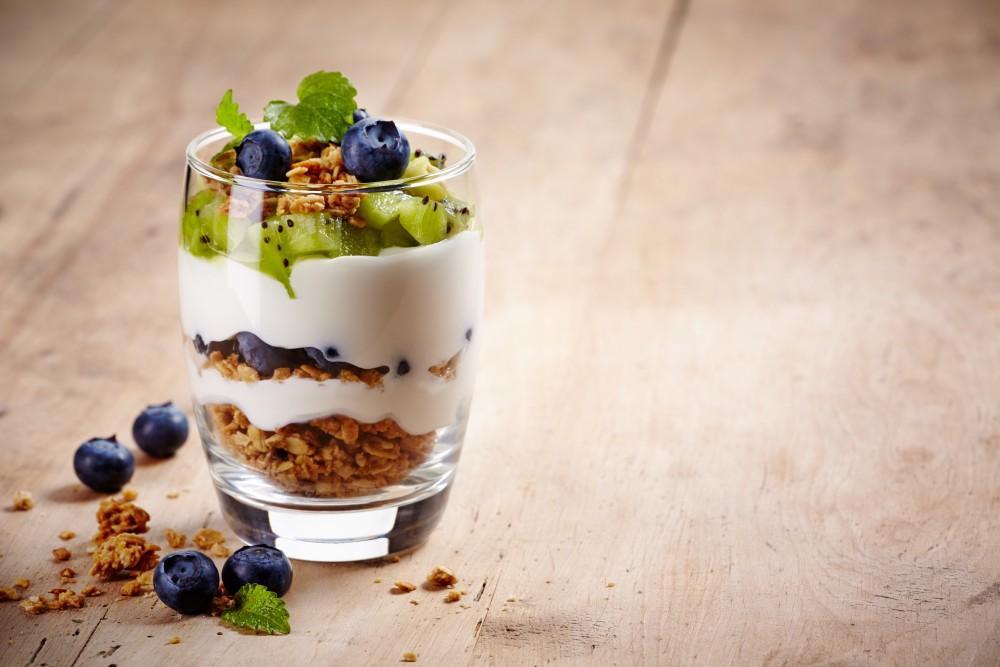
A high-fiber diet rich in fruits, vegetables, whole grains, and legumes helps soften stools and reduce pressure on the colon, preventing flare-ups.
No. Many people with diverticulosis never develop diverticulitis. Maintaining a healthy diet, proper hydration, and an active lifestyle can significantly reduce inflammation risks.
Your gastroenterologist may recommend a colonoscopy every 5–10 years, depending on your medical history and overall risk factors.
Yes. Increasing dietary fiber, staying hydrated, and engaging in light daily exercise like walking can help relieve symptoms and prevent complications.
Consult a gastroenterologist if you experience rectal bleeding, persistent abdominal pain, fever, or noticeable changes in bowel habits.
Surgery is uncommon and is only considered for recurrent complications such as persistent bleeding, abscess formation, or colon perforation.
Diverticulosis is rare in children. It most often occurs in adults over the age of 40 due to natural weakening of the colon with age.