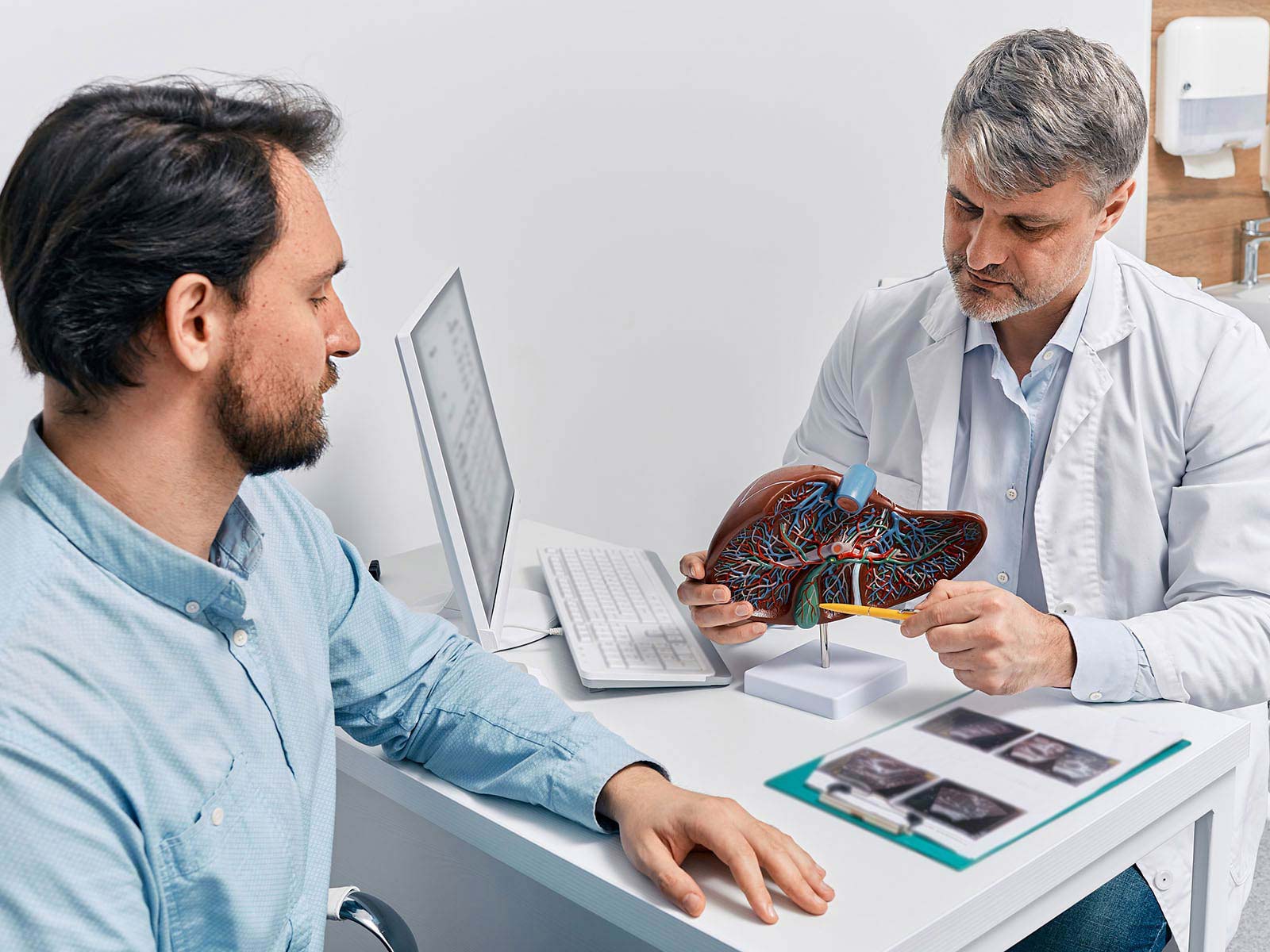








Choledocholithiasis develops when gallstones are trapped in the common bile duct that prevents a normal passage of bile. Possible outcomes of this obstruction include abdominal pains, infection, and even impacting upon the pancreas. in Jersey Village, GastroDoxs, we get you to a simple explanation of your condition and end up giving you fast and efficient treatment so that you will feel better.
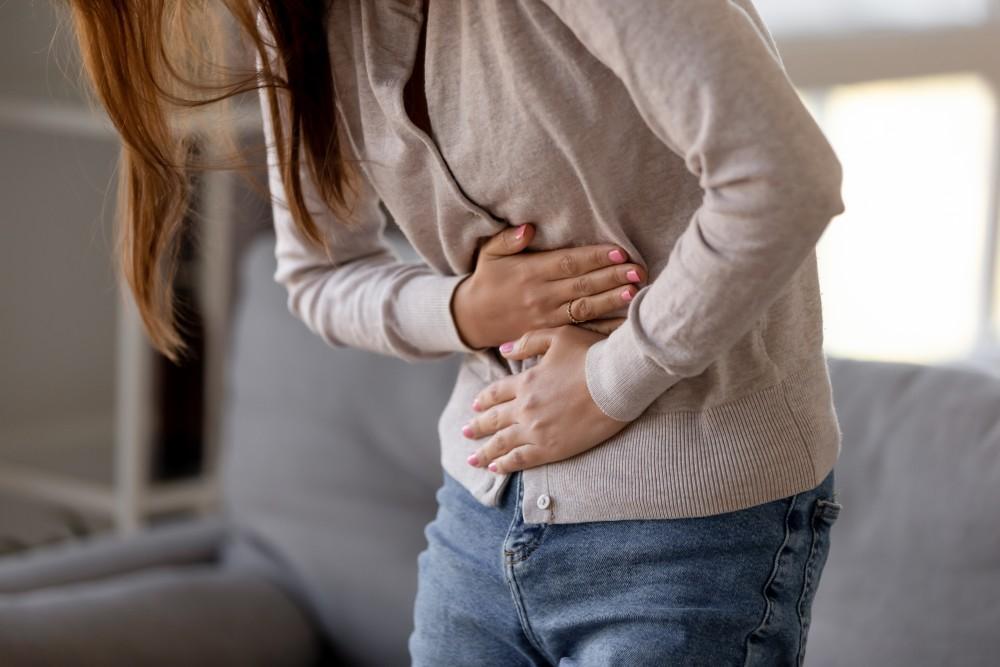
Choledocholithiasis symptoms may appear abruptly and disappear. You may notice:
Choledocholithiasis occurs when the gallstones develop in the gallbladder and further move to the common bile duct. A number of factors put you at high risk; these include:
A stone may also be used to obscure the pancreatic duct in few instances resulting in acute pancreatitis, a condition that must be amendable.
Do not allow the stones of the bile-duct to slow you down. We offer high-quality and cutting-edge ERCP procedures, as well as minimally invasive surgery at GastroDoxs in Jersey Village with the orchestra of board-certified gastroenterologists that help them get back to their normal lifestyles. We will customize each treatment plan to your needs and assist you to occur in a state of recovery with professional and caring care. Check our number today( 832-476-1649 ) or any of our online web pages to make your appointment to get the first step to a long term retreat.
We've successfully treated more than 265 patients, helping individuals improve their digestive health and overall well-being through expert, personalized care.
With over 20 years of experience, GastroDoxs has been a trusted provider of gastroenterology care, focusing on delivering the best outcomes for patients
Dr. Bharat Pothuri is a Board-Certified Gastroenterologist and Hepatologist. With extensive experience in digestive health, he specializes in advanced endoscopic procedures, chronic GI disorder management, and preventive care. Dr. Pothuri is dedicated to providing expert, patient-focused insights to help improve gut health and overall well-being.
Choledocholithiasis is the deposit of a gallstone to the common billyank and which is obstructed and can cause pain, infection or pancreatitis.
Older people (Above 40), women, and individuals with excessive or rapid weight loss, and whose family history includes gallstones or some blood disorders are more susceptible to choledocholithiasis.
Yes. When a gallstone obstructs the bile duct and the pancreatic duct, it may lead to acute pancreatitis which is inflammation of the pancreas that needs to be treated as soon as possible.
The diagnosis is usually made through imaging procedures like an abdominal ultrasound, MRCP (Magnetic Resonance Cholangiopancreatography) or ERCP (Endoscopic Retrograde Cholangiopancreatography).
Treatment of the condition can be ERCP in order to extract the stones, laparoscopic removal of the gallbladder where necessary, antibiotics and IV fluids to treat an infection, and pain management.
A nursing care plan will detail the care provided after major surgery and will require pain management, infection prevention, maintenance of appropriate bile flow, and his general recovery.
Do not ignore these not all-time upper abdominal pains, jaundice (yellowing of the skin or eyes), swelling of the feats and vomit and report them to your health care provider.
Gastroenterologists or specialists in the management of the bile duct handle choledocholithiasis by way of endoscopic and, in case of necessity, surgical procedures.
Unspecified choledocholithiasis ICD-10 code is K80.50.
The ICD-10 code for choledocholithiasis with acute cholecystitis is K80.61.