1.9K Reviews    |    4.7 Star Rating    |    20+ years of experience    |    72k+ Patients Treated

Proctitis Gastroenterologist - Dr. Rishi Chadha

The inflammation of the lining of the rectum is called proctitis, it provokes pain, bleeding, urgency. GastroDoxs, a board-certified gastroenterologist in Houston, offers advanced and customized diagnostic and treatment services, such as dietary recommendations and medication, to the least invasive treatment, to ensure you feel better and improves your health.

Call Us 832-632-4070 Schedule Now Click Here Text Us 832-632-4070 Learn More Click Here
Texas Medical Board
Harris County Medical Society
American College of Gastroenterology
American Society for Gastrointestinal Endoscopy
Memorial hermann
Houston Methodist leading Medicine
HCA Houston Healthcare
Rishi Chadha

About the Expert

Dr. Rishi Chadha, MD is a board‑certified gastroenterologist who specializes in preventive gastroenterology, colorectal cancer screening, and minimally invasive endoscopic procedures. He completed his fellowship at Sunrise Health GME in Las Vegas and previously trained in internal medicine at St. Vincent’s Medical Center in Connecticut.

What Is Proctitis?

Proctitis refers to inflammation of the inner part of the rectum. It can either lead to pain, bleeding or a compelling need to pass stool. Otherwise, it can influence the everyday living and comfort.

Common Causes and Risk Factors

  • Infections- Bacteria (such as Shigella), viruses or STD.
  • Inflammatory Bowel Disease (IBD)- Ulcerative Colitis or Crohn
  • Radiation therapy - Infection in the rectum in the cancers.
  • Diluted ischemia (ischemic proctitis)
  • Autoimmune conditions

Signs and Symptoms

  • Abdominal pain or pain in the rectum.
  • ACUTE or regular need to pass stools.
  • Blood or mucus in the stool
  • And like you have not emptied your bowel movement.
  • Diarrhea or constipation

How Dr. Rishi Chadha Diagnoses Proctitis

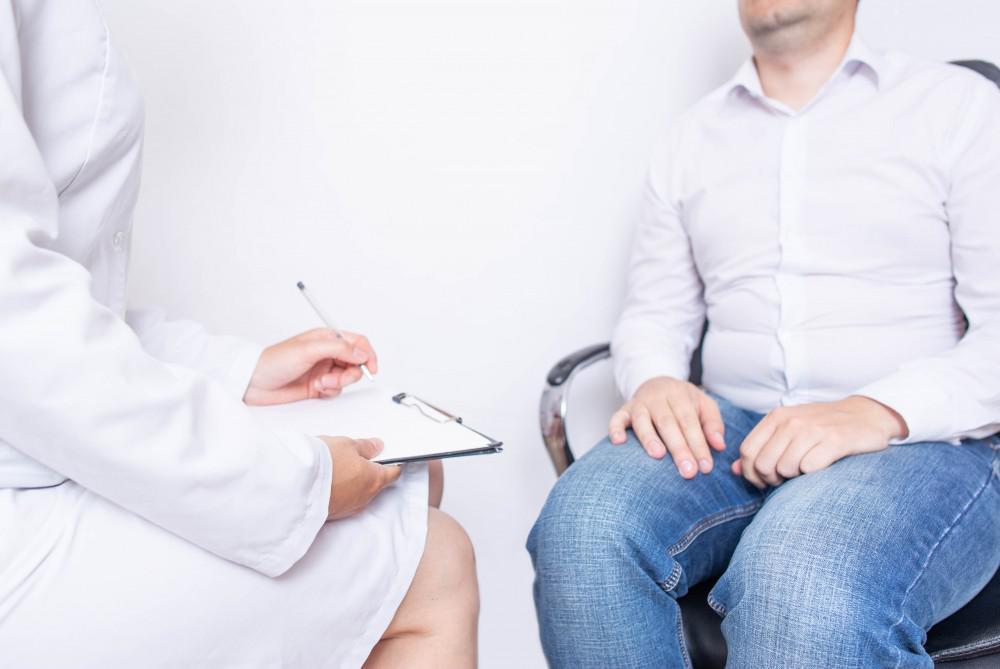
Dr. Chadha uses a clear, step-by-step approach:

Medical History

He inquires of you about your symptoms, bowel, lifestyle triggers and previous treatments.

Physical Exam

A mild rectal exam examines the tenderness, swelling or any indications of inflammation.

Endoscopic Evaluation

  • Anoscopy - It involves a miniature scope that is used to examine the inner rim of the rectum closely.
  • Flexible sigmoidoscopy - more extensive in case of a greater visualization.

Stool Tests

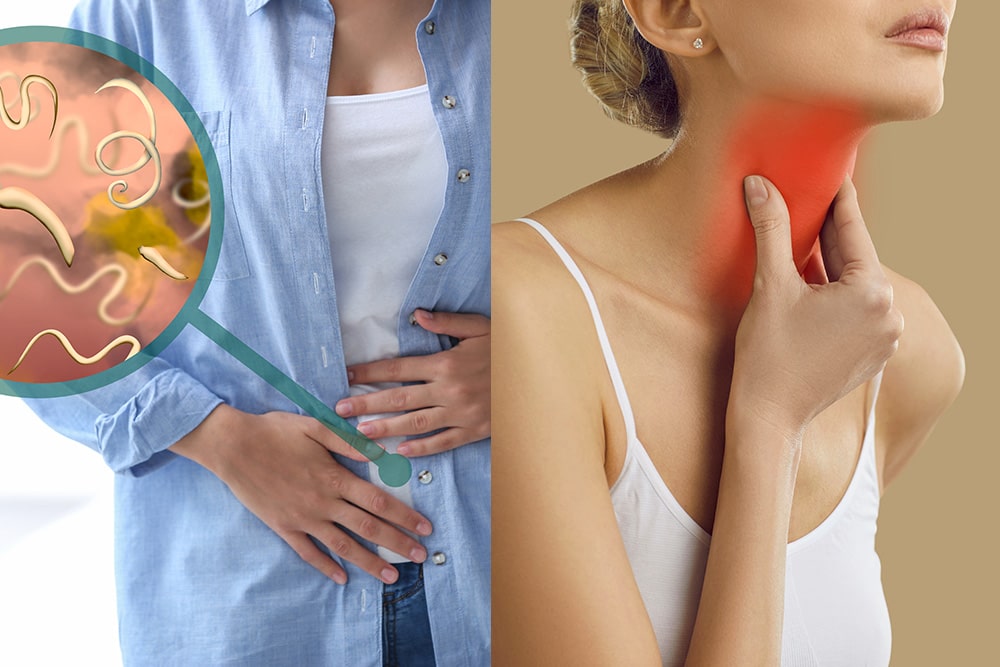
Partial intestinal analysis of your feces (to detect infection) with an organism (bacteria or virus) or parasite.

Imaging (if needed)

Ultrasound or CT it to eliminate further complications under the rectum.

Dr. Rishi Chadha
Treatment

Treatment Options at GastroDoxs

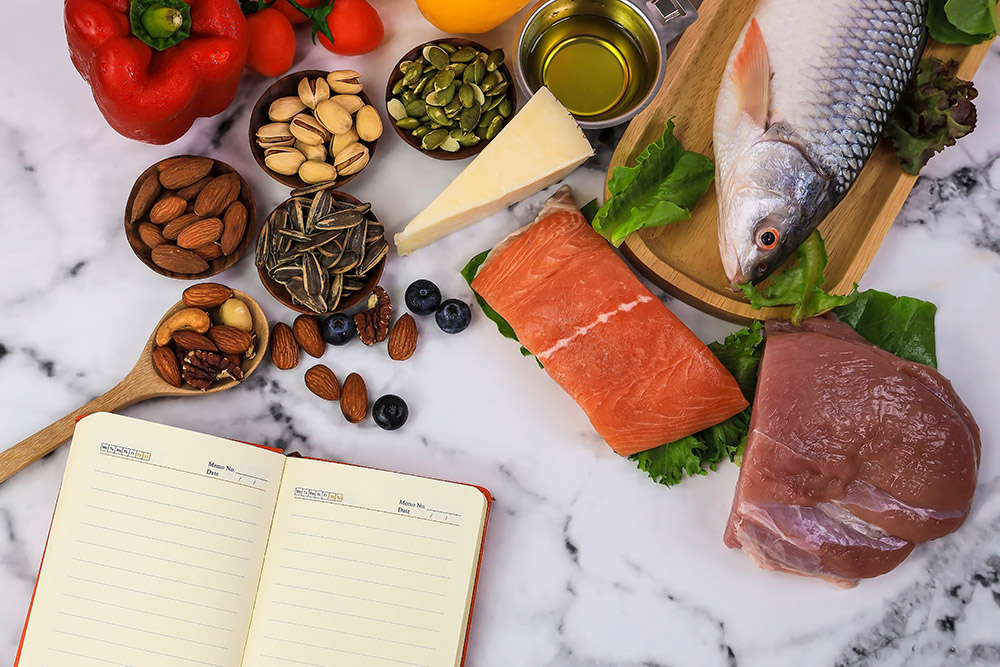
1. Lifestyle and Diet Changes

  • Avoid hot and fat as well as high amounts of caffeine.
  • In case of ulcerative proctitis it is better to avoid dairy (in case of intolerability), raw vegetables, nuts, and seeds.
  • Use a low-fiber (low-residue) and high-protein diet and drink a lot of water.
  • Take probiotics like live culture yogurts.

2. Medications

  • Aminosalicylates as an anti-inflammatory agent.
  • Topical/systemic steroids in acute exacerbations.
  • Long-term immune-supressing medications.
  • Antibiotics in case of their discovery.

3. Minimally Invasive or Advanced Treatments

  • Endoscopic treatment of hemorrhage or stenosis.
  • Somatic constipation or incontinence: Transanal irrigation.
  • Patients that do not respond to traditional medications should receive biologic injections.
Rishi Chadha

About the Author

Dr. Rishi Chadha, MD is a board‑certified gastroenterologist who specializes in preventive gastroenterology, colorectal cancer screening, and minimally invasive endoscopic procedures. He completed his fellowship at Sunrise Health GME in Las Vegas and previously trained in internal medicine at St. Vincent’s Medical Center in Connecticut.

Frequently Asked Questions

What is the ICD-10 code for proctitis?

K62.3 is the medical code of proctitis.

What's the difference: ulcerative proctitis vs ulcerative colitis?

The ulcerative proctitis involves literally the rectum and ulcerative colitis spills over into the colon.

How long does it take to get better?

Most of the patients improve after 4-6 weeks with adequate care.

Can food changes cure it?

Symptoms are controlled by dietary changes however, majority of the cases also need medication.

What foods should I avoid?

One should avoid spicy products, alcohol and caffeine, raw vegetables, nuts, and seeds.

Could I have an infection?

Infection can be seen by a fever, painful bowel movements and blood in the stool.

Any home remedies?

Mild symptoms can be alleviated by warm sitz baths and making the diet low in fiber.

When should I see a doctor?

Consult a doctor when you observe rectal bleeding, lasting pain and drastic bowel habits.

Can proctitis lead to cancer?

It is possible that chronic inflammation can raise risk of cancer in the long run hence frequent checkups are significant.

How do others say they cured it?

A large number of patients give positive results with the use of combined plan of diet, medication, and gentleness therapies of Dr. Chadha.


Related Blogs
Abdominal Pain

Understanding Your Risk for Colon Cancer

Read More
Abdominal Pain

Five Steps That Can Reduce Your Risk of Colon Cancer

Read More
Abdominal Pain

Hyperthyroidism and Diarrhea: Understanding the Causes and Treatment Options

Read More