1.9K Reviews    |    4.7 Star Rating    |    20+ years of experience    |    72k+ Patients Treated

Pancreatic Cysts Doctor - Dr. Rishi Chadha

Dr. Rishi Chadha of GastroDoxs in Houston provides professional care of pancreatic cysts, offering risks such as complex diagnostic and treatment services. He uses cutting-edge solutions of imaging, endoscopic ultrasound, fluid testing, and minimal invasive therapies to develop a customized plan and provide the best comfort and safety to a patient.

Call Us 832-632-4070 Schedule Now Click Here Text Us 832-632-4070 Learn More Click Here
Texas Medical Board
Harris County Medical Society
American College of Gastroenterology
American Society for Gastrointestinal Endoscopy
Memorial hermann
Houston Methodist leading Medicine
HCA Houston Healthcare
Rishi Chadha

About the Expert

Dr. Rishi Chadha, MD is a board‑certified gastroenterologist who specializes in preventive gastroenterology, colorectal cancer screening, and minimally invasive endoscopic procedures. He completed his fellowship at Sunrise Health GME in Las Vegas and previously trained in internal medicine at St. Vincent’s Medical Center in Connecticut.

Common Causes and Risk Factors

  • Pancreatic parenchyma inflammation Long-term pancreatic inflammation (chronic pancreatitis)
  • Previously, abdominal injury or surgery.
  • Pancreatic family implementation.
  • Smoking or heavy alcohol use
  • There are some genetic (inherited) conditions.

Signs and Symptoms

  • Incidental (many cysts are incidentally discovered) at an early age.
  • Longing or pains to the upper abdomen.
  • Nausea or vomiting
  • Unintended weight loss
  • Jaundice (yellowing of the skin or eyes) in case the cyst will block bile ducts.

How Dr. Rishi Chadha Diagnoses Pancreatic Cysts

Step 1: Detailed Medical History & Physical Exam

Dr. Chadha checks your symptoms, all previous pancreatitis or abdomen surgery, family history of pancreatic disease and lifestyle (alcohol or smoking).

Step 2: Imaging Tests

  • CT Scan:Cross-sectional detailed pictures to define the size and location of cysts and its inner characteristics.
  • MRI/MRCP: HST images of pancreatic, ducts to determine whether or not the cyst is in communication with pancreatic ducts.

Step 3: Endoscopic Ultrasound (EUS)

An endoscope with an ultrasound probe sends pictures at a high level of definition of what is located inside your digestive tract. This assists in visualizing walls of cysts and surrounding to the tissue.

Step 4: Cyst Fluid Analysis

Dr. Chadha removes the fluid in the cyst during EUS. To evaluate the risk of cancer, lab tests are carried out to evaluate infection, mucin content, tumor markers (CEA), and the evaluation of cell structure (cytology).

Step 5: Blood Tests

Blood analysis will confirm the levels of pancreatic enzymes, inflammation or infection, tumor markers, to aid the final diagnosis and treatment.
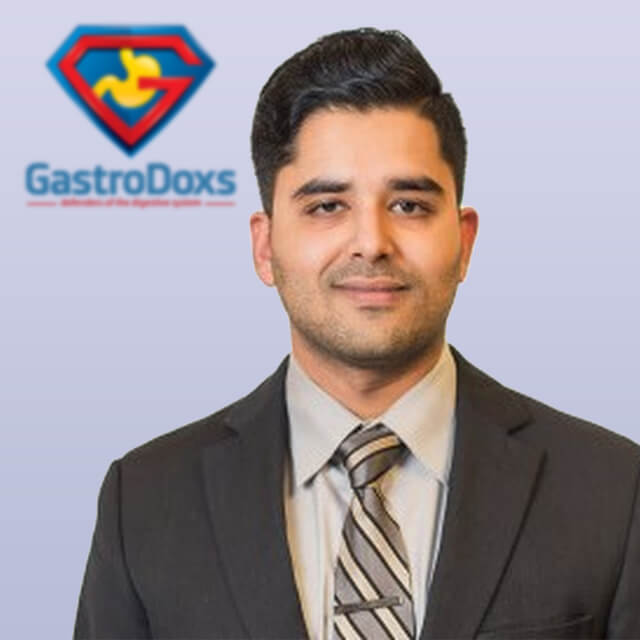
Dr. Rishi Chadha
Treatment

Treatment Options at GastroDoxs

1. Diet and Lifestyle Tips

  • Eat smaller, low-fat meals
  • Quit drinking alcohol and no smoking.
  • Stay hydrated and exercise
  • Meet our dietician and have a personal diet.

2. Medications

  • Abdominal discomfort pain killers.
  • Supplementary enzymes in the digestive system (when necessary)
  • Anti-infectives to deal with infections.

3. Minimally Invasive Procedures

  • Large or painful cysts Endoscopic drainage.
  • EUS-guided cyst fluid test aspirations.
  • Only in case of the large growth of the cyst or in case of concern of the cancer.
Rishi Chadha

About the Author

Dr. Rishi Chadha, MD is a board‑certified gastroenterologist who specializes in preventive gastroenterology, colorectal cancer screening, and minimally invasive endoscopic procedures. He completed his fellowship at Sunrise Health GME in Las Vegas and previously trained in internal medicine at St. Vincent’s Medical Center in Connecticut.

Frequently Asked Questions

Are pancreatic cysts common?

Yes. Small cysts that are harmless are common in many adults during the scanning.

What makes cysts grow?

Growth can be caused by infection, ductal blockage or inflammation.

Can cysts go away on their own?

The cysts are small and may either decrease or remain unchanged with time. Dr. Chadha monitors such cysts.

How often will I need follow-up scans?

After every 6 to 12 months basing on the kind of cyst and the size.

Can pancreatic cysts turn into cancer?

Some types have a small risk. Fluid tests aid in the early diagnosis of cancer.

Is endoscopic drainage painful?

No. The sedation will be done and you will not experience much or any pain throughout the procedure.

Will I need surgery?

Surgery is required only when the cyst is large, the cyst is symptomatic and the cyst appears suspicious.

How long is recovery after drainage?

The majority of the patients are being discharged the same day or after a one day stay.

Can diet changes shrink the cyst?

Healthy eating is a tool to aid you in recovery although diet would not help the size of the cyst.

Where is Dr. Chadha's clinic?

GastroDoxs is situated in Westheimer Road in close proximity to Texas Medical center in Houston.

Related Blogs
Abdominal Pain

IBD-Friendly Snacks to Munch On

Read More
Abdominal Pain

All About Liver Elastography

Read More
Abdominal Pain

8 Ways to Remedy Acid Reflux Without Medication

Read More