What Is Esophageal Cancer?
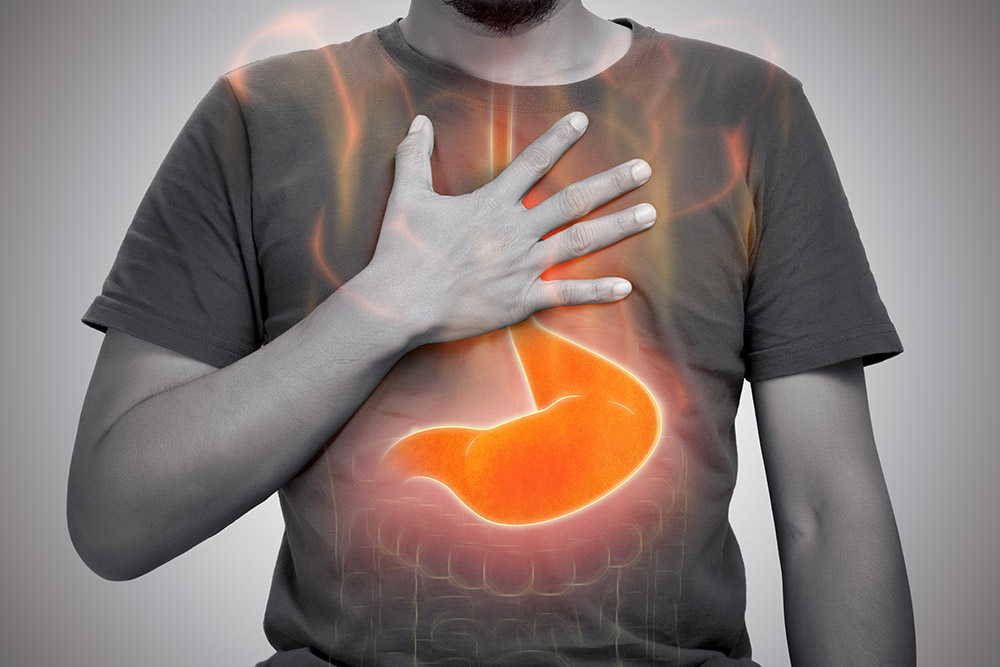
The cancer of the esophagus occurs in the pipe called the esophagus which food goes through your throat to the stomach.
There are two main types:
- The squamous cell carcinoma normally occurs on the upper or mid of the esophagus.
- The adenocarcinoma often initiates in the junction of the esophagus and the stomach.
The kind of cancer helps the doctors in strategizing on the best form of treatment..
What Increases the Risk?
Certain health and lifestyle risks can augment your risk of esophageal cancer:
- Barrett gastrointestinal reflux or persistent acid reflux (GERD).
- Smoking or heavy alcohol use
- Obesity - the weight makes the stomach acid reflux.
- There is no consumption of fruits and vegetables in large amount.
Common Signs and Symptoms
Esophageal cancer may be connected with such symptoms:
- Distress or pain in swallowing.
- Unexplained weight loss
- Chest or upper back pain
- Prolonged heartburn or indigestion.
- Voice deep or coughing a lot.
How Dr. Rishi Diagnoses Esophageal Cancers?
Dr. Rishi Chadha uses a step-by-step approach:
Medical History and Physical Exam
He analyzes your health history, acid reflux history or Barrett history, lifestyle history and swallowing symptoms.
Upper Endoscopy and Biopsy
An endoscope observes the esophagual wall directly and biopsy the tissues and gives a pathological confirmation.
Endoscopic Ultrasound (EUS)
It is an ultrasound scope that is of high resolution that measures the depth of the tumor and examines the lymph nodes surrounding the tumor.
Imaging Studies
- Chest and abdominal CT scan to define local dispersal.
- PET scan to determine any distant metastases.
Multidisciplinary Review
He is employed by oncologists, surgeons, radiologists and dietitians and performs treatment stage and develops your own treatment plan.
Frequently Asked Questions
Causes of esophageal cancer?
Smoking, alcoholism, chronic acid reflux (GERD) as well as Barretts esophagus are the most prevalent risk factors of esophagus cancer.
Is there a death as a result of all esophageal cancer?
No. At the early stage, the esophageal cancers are able to be treated successfully. Late stages are more complex to handle and are not hopeless.
What is gastroesophageal junction cancer?
It is a cancer that is developed between the esophagus and the stomach. Integration of the esophageal and gastric cancer methodologies is frequently used in treatment.
What are the usual warning signs?
Difficulty or pain in swallowing, chronic heartburn or indigestion, unexplainable weight loss, which means pain in the chest or upper of the back, hoarseness and coughing.
Dr. Chadha has made a diagnosis of cancer.
He performs upper endoscopy and biopsy, may also add endoscopic ultrasound (EUS) on depth, and orders CT or PET to rule out spread.
Can food changes help?
Yes. The symptoms can be relieved by reflux through small frequent meals, avoidance of spicy and acidic food, and elevation of the head of the bed.
What is EMR?
EMR (Endoscopic Mucosal Resection) is an insignificant procedure of removing small and early tumor without meaningful surgery.
How long does it take to recover after esophagectomy?
The mean inpatient is 5-10 days. The recovery may require weeks and it includes the resumption of normal activity.
Does it cover insurance?
Most of the insurance covers diagnostic tests and treatments. Our employees will help you to monitor your advantages and simplify the task.
When should I see Dr. Chadha?
Should there arise any difficulty in swallowing, persistent heartburn with the result of inexplicable weight loss, or any other suspicious manifestation, call immediately to have an examination.