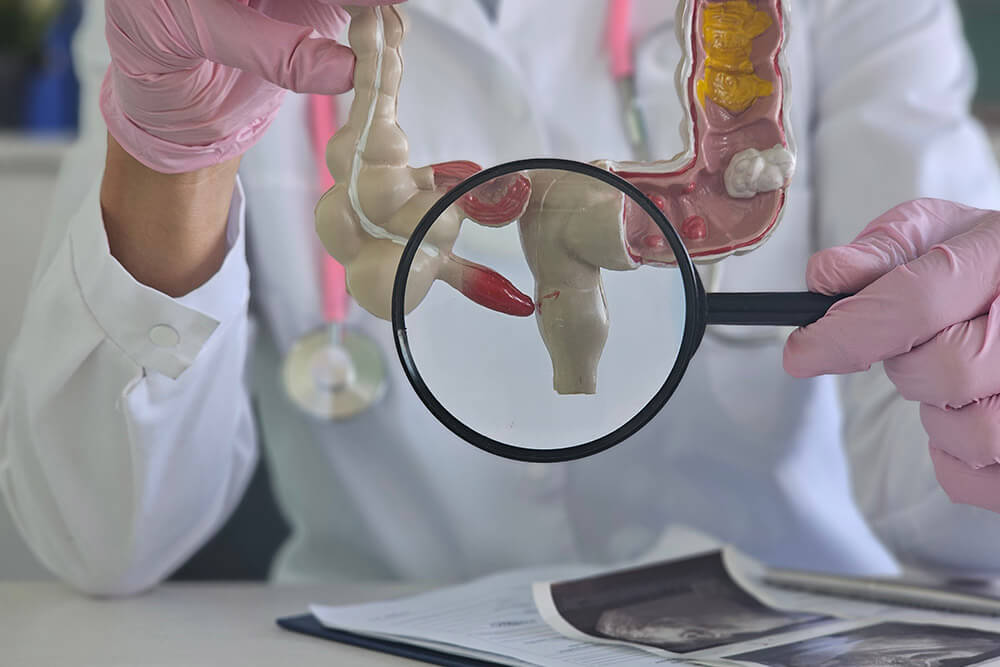
What Is Early Satiety?
Early satiety refers to the sensation of fullness in the body after having swallowed a small number of foodstuffs. The result of such an untimely sense of fullness may be difficulties in getting to the bottom of the meal, and may lead to fatigue, weakness or even undesirable weight loss.
Common Causes and Risk Factors
- Slow evacuation of the stomach (gastroparesis)
- Disease or swelling of the stomach (gastritis).
- Functional dyspepsia (no apparent structural etiology)
- Others, such as opioids.
- Systemic disease diabetes and others.
- A history of abdominal surgery.
- The factors that are psychological could be stress or anxiety.
Signs and Symptoms
- Content with a few mouthfuls of food.
- Bloating or pain in the upper abdomen.
- Early loss of appetite
- Nausea or mild vomiting
- Weight loss unwillingly over time.
How Dr. Rishi Diagnoses Early Satiety?
Dr. Rishi Chadha uses a step-by-step approach:
Medical History and Physical Exam
He will explore your food habits, medication you are taking including any past abdominal surgeries and will also perform a tense abdominal examination to establish the existence of tenderness or distension.
Laboratory Tests
Frequent blood tests to monitor anemia, thyroid, diabetes and vitamin deficiencies to rule out systematic causes.
Imaging and Functional Studies
- Abdominal ultrasound determines the presence of gallstones, liver disease or gastric wall thickening.
- Gastric emptying scan is applied to measure the movement of food to leave the stomach and identify delayed gastrointestinal emptying (gastroparesis).
Endoscopic Evaluation
The endoscopy (EGD) is performed to visualise the esophagus, stomach and duodenum directly with the aim of detecting gastritis, ulcers or structural constrictions.
Advanced Testing (if needed)
In other cases, he may order gastric manometry to assess the contraction of the muscle or MRI enterography to assess minute anatomy issues.

Frequently Asked Questions
What is early satiety?
Early satiety is a sense of fullness that the individual has experienced upon eating an extremely small amount of food, typically in several bites.
ICD-10-code early satiety?
The code of early satiety is ICD-10 R14.1.
What causes early satiety?
It is typically brought about by delayed emptying of the stomach ( gastroparesis ), ulcers or gastritis, functional dyspepsia, certain medications, diabetes, a past history of abdominal surgery and stress or anxiety.
How is early satiety treated?
It is manageable by dietary changes, prokinetic/ antihypertensive medication, low dosage antidepressants, antiemetic and in extreme instances, minimal invasive methods like Botox injections or gastric electrical stimulation.
What is the cause diagnosis of Dr. Chadha?
He examines your medical history and drug history, he gives a physical, he orders an image or stomach-emptying test, he may even do an endoscopy and he orders blood tests to rule out other disturbances.
Does stress contribute to premature satiety?
Yes. Stress and anxiety decelerate the rate of digestion and make people feel full.
What foods should I avoid?
Keep off large meals, fatty and high fiber food. Instead, eat little and more frequently and gnash.
Early satiety: does that mean you have cancer?
It is a rarity. Dr. Chadha shall screen and carry out pertinent tests to rule out life-threatening diseases, including cancer.
How soon will I feel better?
Most of the patients respond positively in a span of several weeks of using a tailor-made treatment regimen.
Does it come under insurance?
The evaluation and treatment cover most of the insurance programs, yes. Your benefits will be checked by our team and preauthorizations will be