What Is Dyspepsia?
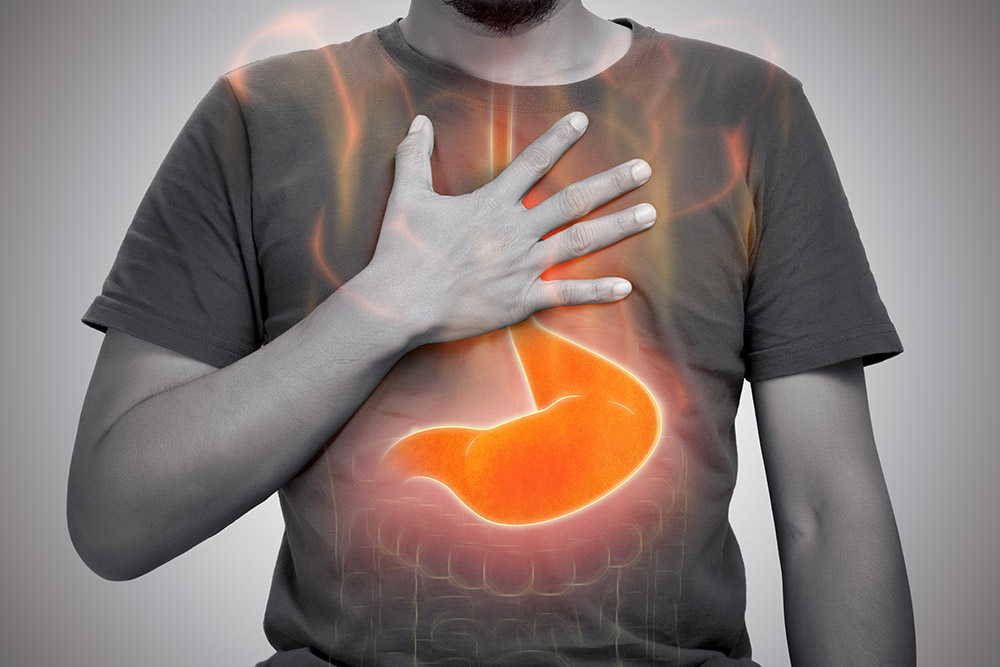
The term dyspepsia or indigestion is pain or other aspects of discomfort in the upper abdomen that can be characterized as pressure, burning, or bloating that typically occurs after meals. When no structural condition is identified in the course of examination, it is referred to as functional dyspepsia (ICD-10 code K30).
Common Causes and Risk Factors
- Eating of fatty/ huge meals.
- Stress, anxiety or insomnia.
- Smoking, alcohol or excessive intake of caffeine.
- Particular medicines (NSAIDs, antibiotics).
- H. pylori infection
- GERD (acid reflux)
- Gastrointestinal disease Family history.
- Above 50 years old and/or obese.
Signs and Symptoms
- Satiety or distension.
- Burning pain or pain in upper abdomen.
- Easyly indulging food (premature fullness).
- Nausea or frequent burping
- Reduced appetite
- Back pain, semi-periodic.
How Dr. Rishi Diagnoses Dyspepsia?
Dr. Rishi Chadha uses a step-by-step approach:
Medical History & Physical Exam
He evaluates your diet, your stress level, your sleeping habits and symptom history including a detailed history and a focused palpation of your abdomen.
Blood Work
Anemia tests and screening to rule out the existence of other conditions H. pylori infection and thyroid and basic metabolic screen.
Upper Endoscopy (EGD)
Endoscope is required to give a picture of the esophagus, stomach and duodenum with a view of detecting inflammation, ulcers or other structural issues.
Imaging Studies
- Abdominal ultrasound evaluation of liver, pancreas and gallbladder.
- CT scan in case additional cross sectional imaging is required.
Gastric Emptying Study
Measures the speed at which the food moves through your stomach so that it can prove a slowness of gastric emptying (gastroparesis).
Frequently Asked Questions
ICD-10 code of dyspepsia?
It is code K30 that is used in general and functional dyspepsia.
Can dyspepsia cause ulcers?
Yes. Constant acidic irritations of untreated dyspeptics can lead to ulcers.
How long until I feel better?
Most clients will feel the difference in the improving symptoms in 2-4 weeks after the lifestyle changes and therapy will begin.
Will I need an endoscopy?
Endoscopy is recommended when you are above 55 years and in case you have red flags as loss of weight, bleeding or terrible pain.
What is functional dyspepsia?
It is indigestion without any form of noticeable damage to the tests like endoscopy.
Does dyspepsia result in back pain?
In uncommon situations the pain may reach the back and the other causes will be done away with by Dr. Chadha.
Do natural remedies work?
Yes. The symptoms are relieved by ginger, chamomile tea and small frequent meals.
Will I be put on long-term medication?
We have patients who use meds in the short term; and patients who simply have to acquire a longer plan depending on the severity.
Does stress increase the severity of dyspepsia?
Absolutely. Stress can also start or worsen the symptoms, and thus stress control is significant.
What is the distinction between dyspepsia and acid reflux?
The pain of the upper-abdomen is dyspepsia and the esophagus and heart irritability is reflux. Dr. Chadha will evaluate you to distinguish them.