What Is a Diverticulum?
Diverticulum This is a tiny opening that develops in the mucosa of your digestive tube or bladder. They may be found at one of the following points:
- Small intestine diverticulum (Meckel’s diverticulum).
- Diverticulum of the small bowel (upper small intestine).
- Bladder diverticulum.
- Zenker’s diverticulum (throat).
Common Causes and Risk Factors
- Aging: weakening of tissues makes pouch formation more likely.
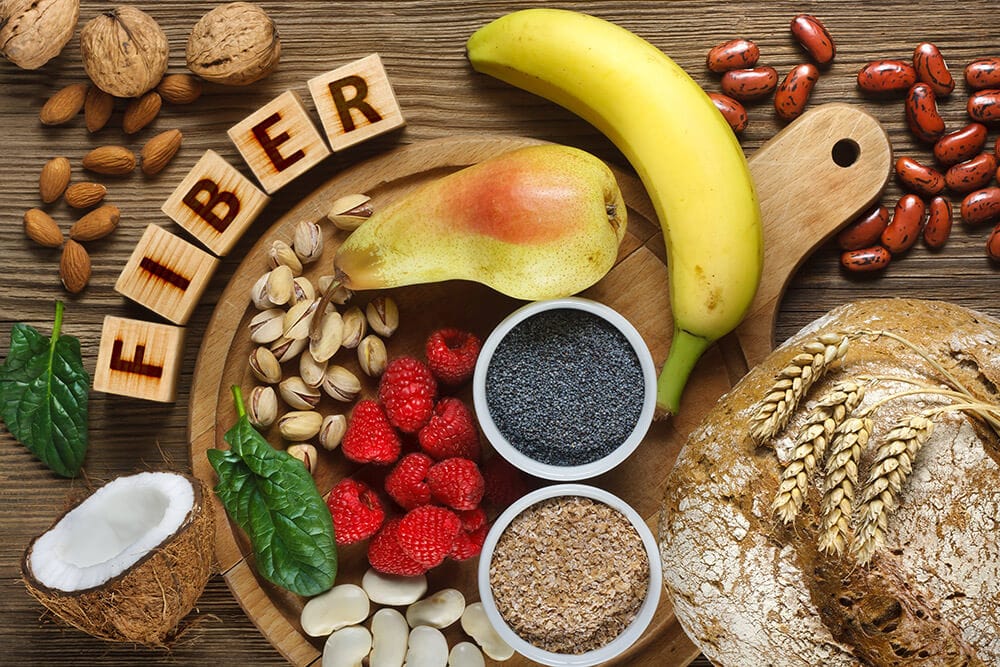
- Low-fiber diet: increases pressure in the bowel, leading to pouch development.
- Family history of bowel diseases.
- Chronic constipation or frequent straining during bowel movements.
- Increased pressure in the bowel or bladder.
Signs and Symptoms
- Lower left abdominal pain or discomfort.
- Bloating, gas, or abdominal cramping.
- Diarrhea or constipation.
- Blood in the stool or urine.
- Fever, chills, or nausea during pouch infection.
- Difficulty swallowing or coughing (seen in Zenker’s diverticulum).
How Dr. Rishi Diagnoses Diverticulum?
Dr. Rishi Chadha uses a step-by-step approach:
Medical History and Physical Exam
He examines your symptoms (pain, bloating, bleeding), medical history, nutrition, bowel habits and examines your belly.
Blood and Urine Tests
We identify the level of white blood, the indications of inflammation and eliminate urinary infections.
Endoscopic Evaluation
An examination of a colon and diverticula directly is referred to as a colonoscopy or a sigmoidoscopy.
Imaging Studies
- CT scan or MRI to determine complications like abscesses, perforation or inflammation.
- To map duodenal and Zackers diverticulum either barium swallow or upper GI series.
Nuclear Medicine Scan
In the presence of suspicion of the existence of a suspected Meckel diverticulum, a pertechnetate scan may be performed on the patient with Technetium-99m and the scan will indicate the presence of ectopic gastric mucosa.
Frequently Asked Questions
What is the diverticulum of Meckel?
It is a congenital extension of the small intestine present from birth. When irritated or infected, it can cause abdominal pain, bleeding, or inflammation.
How is a duodenal diverticulum identified?
It is typically diagnosed using imaging techniques such as a CT scan, upper endoscopy, or barium gastrointestinal series.
Is there pain with a bladder diverticulum?
Yes. A bladder diverticulum can cause pelvic pain, urinary tract infections, difficulty emptying the bladder, or blood in the urine.
What are the symptoms of Zenker’s diverticulum?
Common symptoms include difficulty swallowing, persistent coughing, regurgitation of undigested food, and the sensation of a lump in the throat.
How is Zenker’s diverticulum treated?
Endoscopic surgery is used to open or remove the pouch with minimal trauma, allowing for a quicker and smoother recovery.
Are all diverticulosis cases treated with surgery?
No. Most cases improve with dietary modifications, fiber supplements, and antibiotics if infection occurs. Surgery is reserved for complications or recurring symptoms.
How can I prevent flare-ups?
Eat a high-fiber diet, drink plenty of water, exercise regularly, and avoid straining during bowel movements.
Does fiber help?
Yes. Fiber softens stool, reduces bowel and bladder pressure, and helps lower the risk of diverticulitis and inflammation.
How long is the recovery period?
After laparoscopic or endoscopic surgery, most patients can return to normal activities within 1–2 weeks.
How can I book an appointment with Dr. Chadha?
Appointments with Dr. Rishi Chadha can be scheduled by calling our Houston office during business hours or booking online at GastroDoxs.com.