1.9K Reviews    |    4.7 Star Rating    |    20+ years of experience    |    72k+ Patients Treated

Top Diseases Of Stomach And Duodenum Doctor

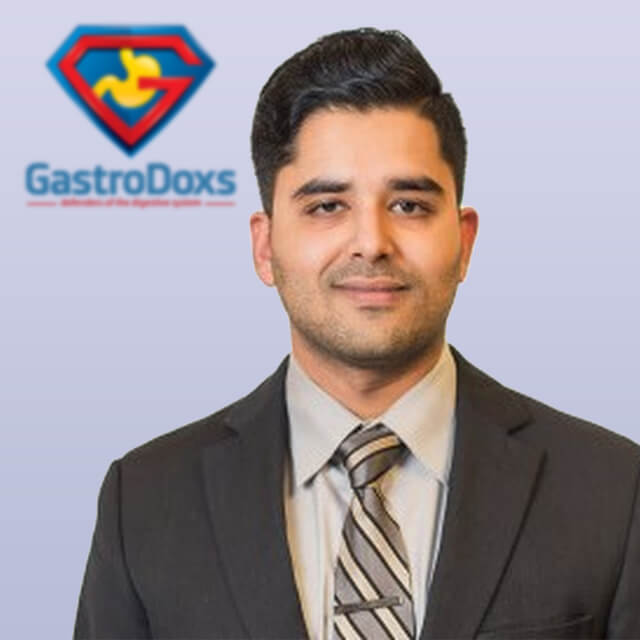
Dr. Rishi Chadha is a specialist in GastroDoxs in Houston where he complicates the process of diagnosing and treating non-cancerous stomach and duodenal diseases, including gastritis and ulcers up to indigestion. His employees give him the holistic approach to the issue that is based on the quality of endoscopy and personalized care to offer him a permanent solution to his digestion issues.

Call Us 832-632-4070 Schedule Now Click Here Text Us 832-632-4070 Learn More Click Here
Texas Medical Board
Harris County Medical Society
American College of Gastroenterology
American Society for Gastrointestinal Endoscopy
Memorial hermann
Houston Methodist leading Medicine
HCA Houston Healthcare
Rishi Chadha

About the Expert

Dr. Rishi Chadha, MD is a board‑certified gastroenterologist who specializes in preventive gastroenterology, colorectal cancer screening, and minimally invasive endoscopic procedures. He completed his fellowship at Sunrise Health GME in Las Vegas and previously trained in internal medicine at St. Vincent’s Medical Center in Connecticut.

Common Causes and Risk Factors

  • Infection with Helicobacter pylori (H. pylori) bacteria.
  • Regular use of nonsteroidal anti-inflammatory drugs (NSAIDs) such as aspirin or ibuprofen.
  • Excessive alcohol consumption.
  • Eating fatty, spicy, or highly acidic foods.
  • High stress levels.
  • Family history of peptic ulcers.
  • Age over 50 years.

Signs and Symptoms

  • Burning or gnawing pain in the upper abdomen.
  • Bloating, belching, or a feeling of fullness after eating.
  • Nausea or intermittent vomiting.
  • Loss of appetite or unintended weight loss.
  • Gastrointestinal bleeding, often seen as black, tarry stools.

How Dr. Rishi Diagnoses Diseases Of Stomach And Duodenum?

Dr. Rishi uses a step-by-step approach:

Medical History and Physical Exam

He will enquire about your symptoms (pain, bloating, nausea), diet, NSAID/alcohol, stress, family history, physical abdominal examination.

Laboratory Tests

Blood analysis is used to test anemia or inflammation, stool analysis is used to test occult (lost) blood.

H. pylori Testing

  • Breath test in order to identify active infection.
  • Stool antigen/blood antibody test.

Upper Endoscopy (EGD)

Endoscope is a direct view examination and it might require the biopsy of stomach and defeal lining of the duodenum to check the ulcers, gastritis or any other defect.

Imaging Studies (if indicated)

To eliminate complications or other diagnosis, ultrasound or CT scan of the abdominal area in case the symptoms are not clear.

Rishi Chadha
Treatment

Our Houston team offers a full range of care for diseases of the stomach and duodenum.

1. Lifestyle and Diet Modifications

  • Eat small, frequent meals to make digestion easier.
  • Avoid trigger foods such as spicy, fatty, or acidic meals.
  • Quit smoking and avoid alcohol consumption.
  • Incorporate stress-relieving practices like meditation or yoga.
  • Maintain a healthy weight through balanced eating and regular exercise.

2. Medications

  • Proton pump inhibitors (PPIs) or antihistamine medications to reduce stomach acid production.
  • H2 blockers to help control acid reflux and reduce irritation.
  • Antimicrobial therapy to eradicate H. pylori infection.
  • Short-term use of antacids for temporary relief of burning sensations.
  • Mucosal protectants to promote healing of the stomach lining.

3. Minimally Invasive and Advanced Procedures

  • Endoscopic therapy to treat bleeding ulcers or remove foreign bodies.
  • Balloon dilation procedures to widen narrowed areas of the digestive tract.
  • Radiofrequency ablation to reduce chronic inflammation and promote tissue healing.
Rishi Chadha

About the Author

Dr. Rishi Chadha, MD is a board‑certified gastroenterologist who specializes in preventive gastroenterology, colorectal cancer screening, and minimally invasive endoscopic procedures. He completed his fellowship at Sunrise Health GME in Las Vegas and previously trained in internal medicine at St. Vincent’s Medical Center in Connecticut.

Frequently Asked Questions

And what does the other illness of the stomach and duodenum propose?

It refers to non-cancerous conditions such as gastritis, peptic ulcers, and functional indigestion that do not fall under other specific diagnostic categories.

What is the ICD-10 code for such problems?

The ICD-10 code for other and unspecified diseases of the stomach and duodenum is K31.9.

How do I know if I have an ulcer?

Common symptoms include upper abdominal pain (often between meals or at night), nausea, or black/tarry stools. An upper endoscopy (EGD) is performed to confirm the diagnosis.

Is the stomach affected by stress?

Yes. Stress can increase stomach acid production and worsen inflammation, leading to gastritis or ulcers over time.

Is H. pylori common in Houston?

Yes. H. pylori infection is prevalent globally, including in Houston, and is a leading cause of peptic ulcer disease.

What is the healing time for ulcers?

Most ulcers heal within 4–8 weeks with proper treatment, including antibiotics for H. pylori and acid-reducing medications. However, some treatments may have side effects that require medical supervision.

Is endoscopy painful?

No. During an EGD, sedation is provided to ensure comfort, and most patients feel little to no pain during the procedure.

Should I fast before the endoscopy?

Yes.

Related Blogs
Abdominal Pain

Feel Like You Always Have Food Stuck in Your Throat? You May Have Dysphagia

Read More
Abdominal Pain

Dysphagia

Read More
Abdominal Pain

Lifestyle Adjustments to Manage Dysphagia

Read More