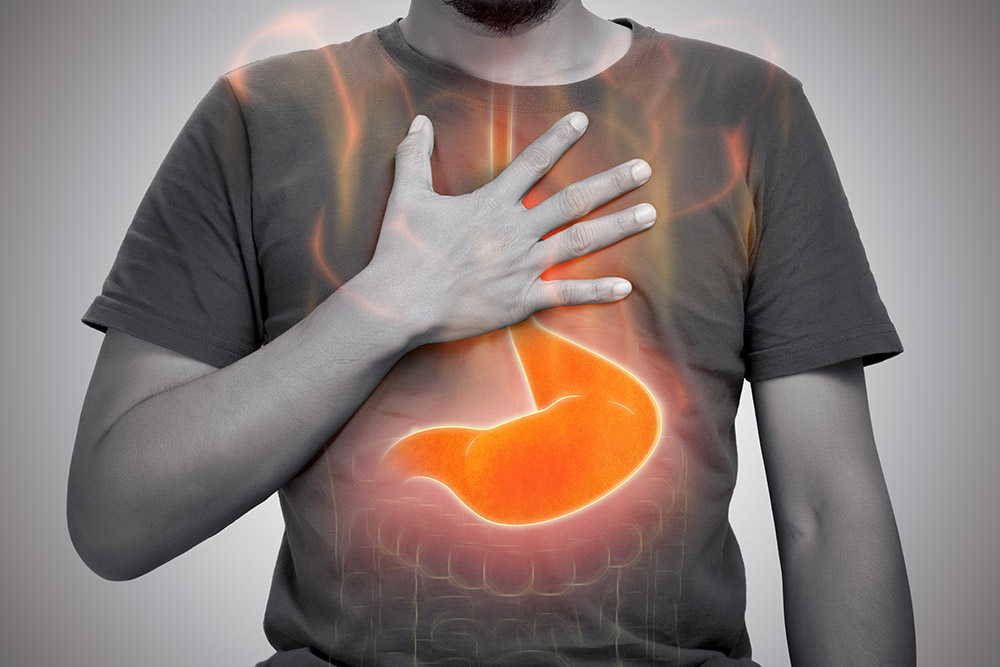








The disease of peptic ulcer is produced due to emergence of so-called ulcer (open) holes in the stomach wall or in the duodenum (first part of a small intestine). The cause of these sores is eventuated by the lack of the balance between acid in the stomach and the protective mucus-mostly due to a Helicobacter pylori infection or overindulgence of NSAIDs, including aspirin and ibuprofen. Ulcers can be painful and come up with complications without treatment.
The initial stages can be symptom-free. You may have because of the ulcer:
Several factors can expose you to the risk of getting peptic ulcers:
GastroDoxs has board-certified gastroenterologists in Houston who have specialized in the diagnosis and treatment of peptic ulcer disease. Our services constitute fast and accurate testing (including endoscopic testing), custom made treatment, including H. pylori eradication and acid-controlling treatment, and repeat prevention through follow-ups. You do not have to get well to start you appointment (that is, the first step towards long-term digestive well-being and health) so you need to book your appointment today.
We've successfully treated more than 1.5K patients, helping individuals improve their digestive health and overall well-being through expert, personalized care.
With over 20 years of experience, GastroDoxs has been a trusted provider of gastroenterology care, focusing on delivering the best outcomes for patients
Dr. Bharat Pothuri is a board-certified expert in Gastroenterology and Hepatology with extensive training and expertise in both digestive health and liver diseases.
He is deeply committed to providing personalized care, focusing on understanding each patient’s unique needs. His approach combines advanced diagnostic techniques with tailored treatment plans to ensure the best possible outcomes. Patients appreciate his compassionate care and thorough approach, and many express high satisfaction with the improvements they experience in their digestive and liver health under his expert guidance.
One of the major modes of diagnosing peptic ulcer disease is by an upper endoscopy which enables direct observation of ulcers. Other tests can be performed such as blood tests, stool or urea breath tests to identify H. pylori infection.
The ICD-10 code of peptic ulcer disease is K25 to K28. The code used specifically depends on the location of the ulcer (gastric, duodenal, or gastrojejunal) and the presence or absence of bleeding and / or perforation.
Stress is not a direct cause of ulcers though it may aggravate the symptoms and slow the recovery process. The major causes are the infection of the H. pylori and the use of the NSAIDs.
Gastritis is a condition of inflammation or irritation of the stomach lining, the sore may or may not be seen. The peptic ulcer disease on the other hand takes place when there is a literal open cut in the stomach or small intestine walls.
Yes. A doctor, during an endoscopy, will be able to take high-resolution pictures of any ulcers which will be present in your body and analyze them to diagnose and treat.
In a majority of cases, uncomplicated ulcers can be treated with the help of antibiotics against H. pylori and acid-blocking medications, and this treatment property allows them to heal in 4-8 weeks.
The best way to reduce this risk is to decrease the use of NSAIDs in the long term, quit smoking, reduce the consumption of alcohol, and early test and treat H. pylori infection.
Mostly surgery is unnecessary at this day and is only done in severe life threatening complications like uncontrollable bleeding, perforation, or obstruction.
Steer clear of food materials or drink, which raise acid or inflam the stomach wall- spicy food, citrus fruit, caffeine, carbonated drinks and liquor.
The gastroenterologists in GastroDoxs hospital in Houston are board-certified and hired to specialize in peptic ulcer disease. To view your consultation, call us.