






1.9K Reviews    |    4.7 Star Rating    |    20+ years of experience    |    72k+ Patients Treated

Esophageal Cancers

Our localized gastroenterologists at the GastroDoxs in Cypress have provided an opportunity to carry out the screening of the disease, conduct the diagnostic endoscopies and multidisciplinary plans of the treatment with the usage of the newest technology and human care in a friendly environment, to detect the disease at the initial stage, follow the patients during the treatment and worsen their results in the framework of the local community.

Call Us 832-632-4070 Schedule Now Click Here Text Us 832-632-4070 Learn More Click Here
Texas Medical Board
Harris County Medical Society
American College of Gastroenterology
American Society for Gastrointestinal Endoscopy
Memorial hermann
Houston Methodist leading Medicine
HCA Houston Healthcare
Bharat Pothuri
Symptoms

What Is Esophageal Cancer?

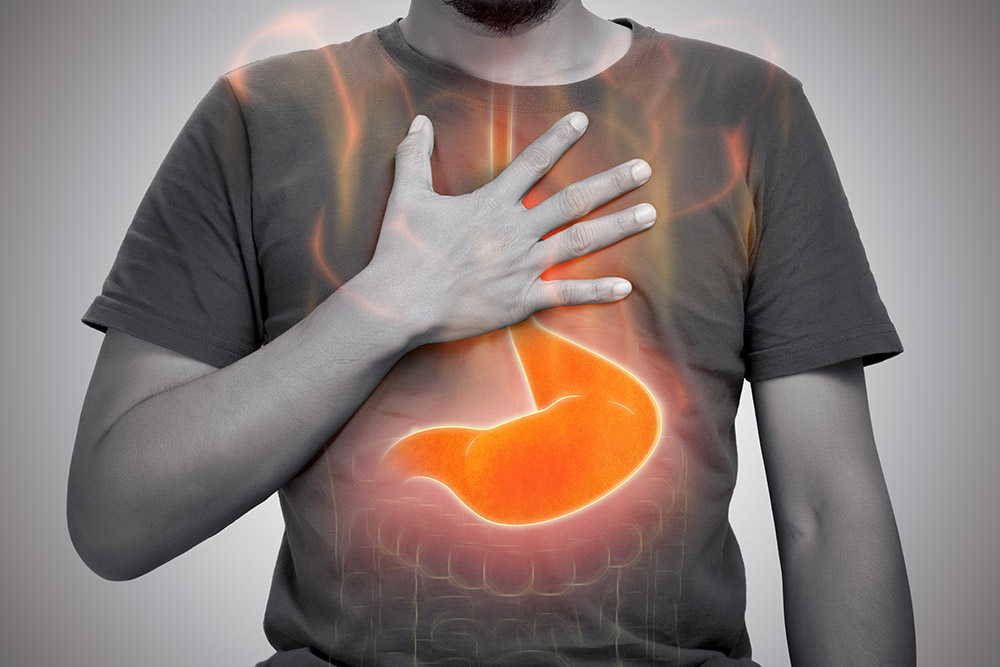
The Esophagus cancer is the malignant growth in the passage through which the food comes out of your mouth to your stomach. It is commonly acquired progressively and may manifest in two significant ways that include squamous cell carcinoma (in the upper or middle esophagus) and adenocarcinoma (in the lower esophagus, around the stomach).

Common Symptoms

Esophageal cancer can manifest itself early on without any symptoms. You will find the following aspects as it advances:

  • Problem with swallowing (dysphagia) - food does not slip/slowly.
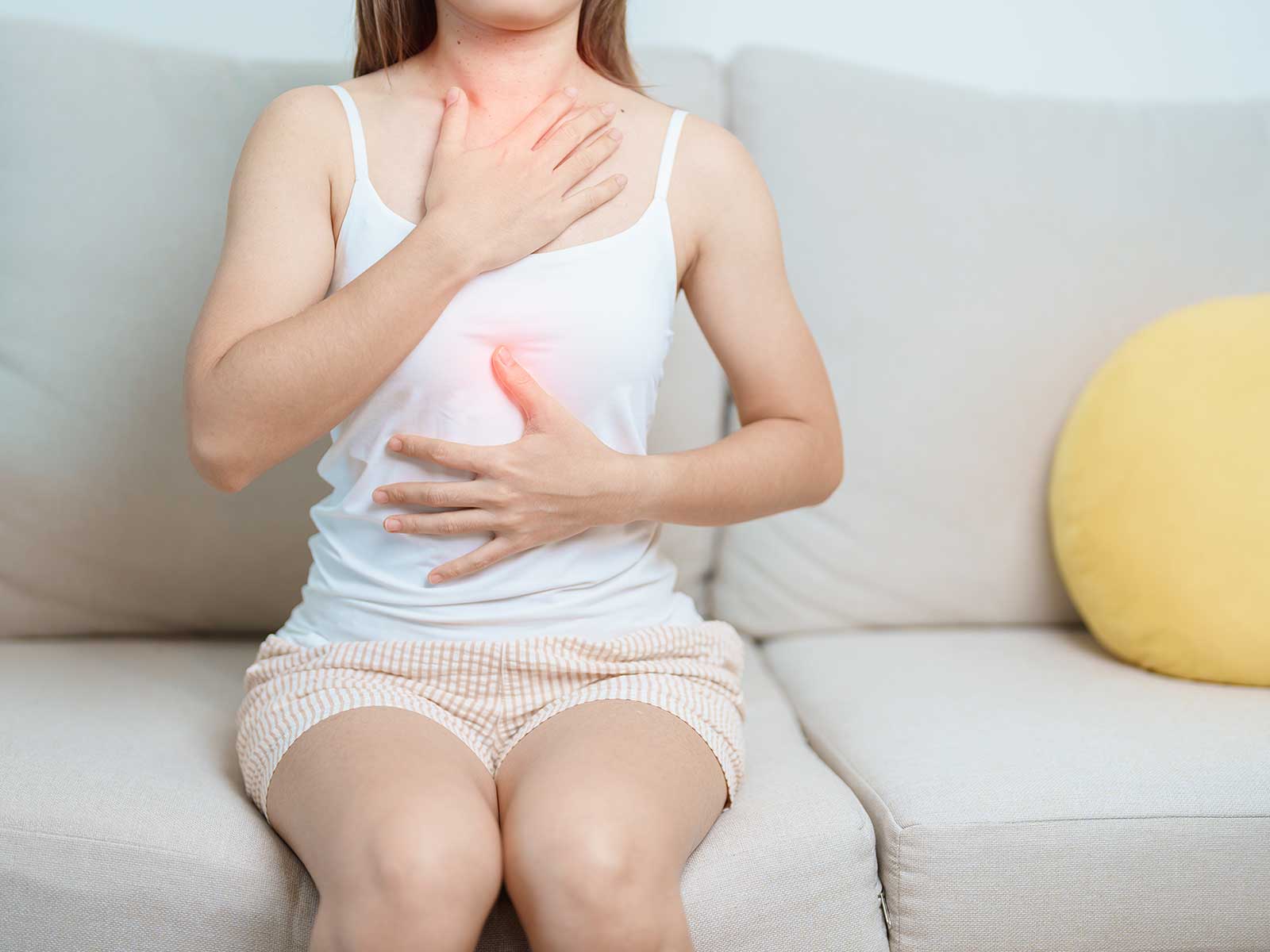
  • Persistent chest pain or a burning sensation
  • Unexplained weight loss
  • Long lasting indigestion or heartburn which does not tend to respond to treatment.
  • A ragged voice or a cough which persists weeks.
  • Regurgitation or choking of food most of the time.

Causes

The risk of becoming infected by esophageal cancer can be caused by several factors:

  • Permanent reflux acid can cause harm to the esophagus.
  • One of the early changes in the tissue of the esophagus that has not yet progressed into cancer is known as Barrett.
  • The use or other types of nicotine through tobacco smoking.
  • Heavy alcohol consumption
  • Obesity which increases both reflux and inflammation of acids.
  • Low fruits and vegetable and high processed food diets.
  • Having been exposed to some chemicals or undergone radiations around the breast.
Treatment

Treatment Options for Esophageal Cancer in Cypress

The treatment involves procedural, medical, and supportive treatments:

  • Endoscopic tumor removal: In lesions that are very early on, tumors can be removed endoscopically using endoscopic mucosal resection or submucosal dissection without any major surgery.
  • Esophagectomy (surgical resection): Present partial or total resection of the esophagus to eliminate cancer in the area, commonly through minimally invasive or open procedures.
  • Chemoradiation: The chemoradiation combines both chemotherapy and radiation therapy to shrink the tumors, destroy the remaining cancer cells and enhance the long-term outcome.
  • Targeted therapies: To stop the development of the cancer with minimal side effects compared to conventional chemotherapy, the drugs are targeted against certain molecular markers (e.g. HER2) to prevent their growth nicotine.
  • Endoscopic ablation:The methods include radiofrequency ablation or photodynamic therapy to ablate tissue dysplasia or early stage cancerous lining of the esophagus.
  • Nutritional support: Diet confined meal plans, functioning breathing, and supplements with the help of a dietitian to ensure that one keeps up with weight and strength during treatment.

Take the Next Step

Waiting Don’t wait Don’t wait on symptoms-esophageal cancer can be best treated when it is diagnosed at an early stage. Get your market with our esophageal cancer Cypress professionals now, and GastroDoxs can help you swallow each bite of it.

1.5K

Patients Treated

We've successfully treated more than 1.5K patients, helping individuals improve their digestive health and overall well-being through expert, personalized care.

20Y

Years of Experience

With over 20 years of experience, GastroDoxs has been a trusted provider of gastroenterology care, focusing on delivering the best outcomes for patients

Bharat Pothuri

About the Author

Dr. Bharat Pothuri is a Board-Certified Gastroenterologist and Hepatologist. With extensive experience in digestive health, he specializes in advanced endoscopic procedures, chronic GI disorder management, and preventive care. Dr. Pothuri is dedicated to providing expert, patient-focused insights to help improve gut health and overall well-being.

Frequently Asked Questions

How common is esophageal cancer?

Esophageal cancer is not so prevalent as a colon or stomach cancer but its level of occurrence increases, particularly in those who struggle with persistent acid reflux (GERD).

Can I prevent esophageal cancer?

Yes. Reducing the risk can be achieved by consuming high-fiber food, quitting smoking and alcohol alcoholism, treating acid reflux, and drinking high-antioxidant fluids such as green tea.

Is esophageal cancer inherited?

Majority of the esophageal cancer is not inherited. A family history of GERD or Barrett's esophagus may however put you at risk.

How is esophageal cancer diagnosed?

Usually, an upper endoscopy with biopsy, barium-swallow X-rays, and other types of imaging displays such as CT or PET could help in the diagnosis and determine the size and spread of tumors.

What does recovery look like after esophageal surgery?

The patients tend to stay in the hospital between 7-10 days. It would be 6-12 weeks of full recuperation at home, during which you would have the nutrition support and follow-up.

Are there less invasive treatments for early esophageal cancer?

Yes. Endoscopic removal of the tumor or radiofrequency ablation of early tumors can be useful in preventing further surgery.

How does obesity increase the risk of esophageal cancer?

The overweight condition also fosters chronic inflammation and acid reflux both of which may be harmful to the lining of the esophagus and increase the risk of cancer.

Can diet help prevent esophageal cancer?

Absolutely. The high fiber content of whole grains, fruits, and vegetables in a diet helps prevent cancer-inducing modifications that affect the esophagus (and the entire digestive tract).

Will I be able to eat normally after esophageal cancer treatment?

A large number of the patients revert to normal dieting. A dietician consultant will develop a diet consisting of nutrient-rich, easy-swallowing food that will help heal you.

Why should I see an esophageal cancer specialist near Cypress?

Local care implies quicker scheduling of appointments, follow-ups being convenient and your treatment team already knows your health history thus providing you with a close and personal approach.


Related Blogs
Abdominal Pain

IBD-Friendly Snacks to Munch On

Read More
Abdominal Pain

8 Ways to Remedy Acid Reflux Without Medication

Read More
Abdominal Pain

All About Liver Elastography

Read More