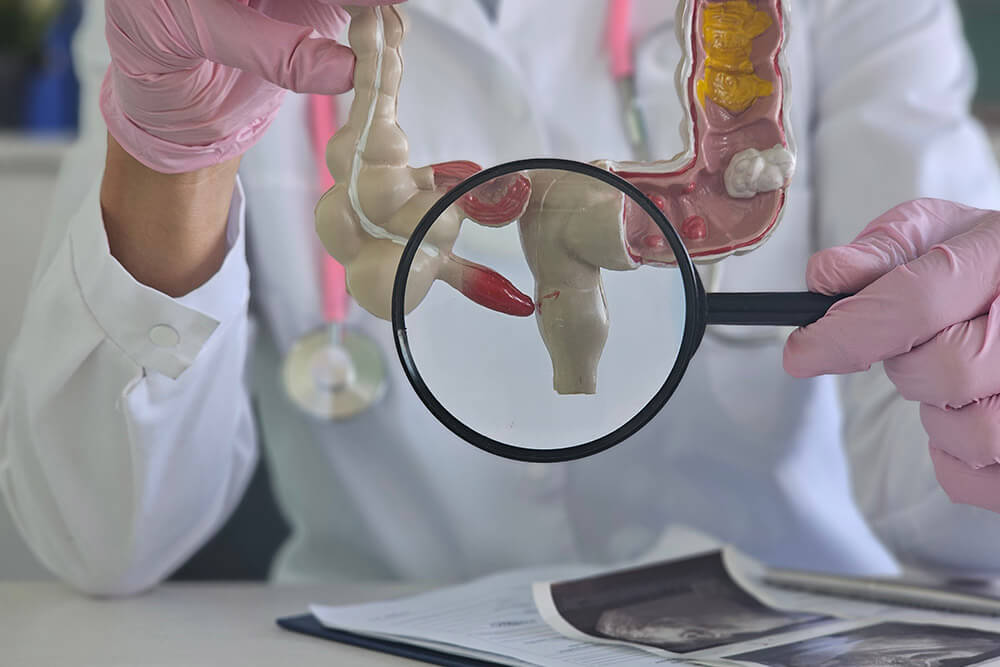








Eosinophilic duodenitis is a duodenal (first portion of the small intestine) inflammatory decree brought by overabundant formulation of eosinophil, type white blood cells who normally aid in the resistance of infections. The accumulation of such cells and allied mast cells in the duodenal lining, leads to the swelling, tissue irritation and interruption of normal digestion.
The symptoms are variable, and can fluctuate and disappear. Common signs include:
What causes it exactly is not necessarily clear but many factors may play part:
Get the care you need-fast. Make a consultation today in GastroDoxs of Cypress to have eosinophilic duodenitis professionally examined and personally treated. We will make you feel good gradually.
We've successfully treated more than 1K patients, helping individuals improve their digestive health and overall well-being through expert, personalized care.
With over 20 years of experience, GastroDoxs has been a trusted provider of gastroenterology care, focusing on delivering the best outcomes for patients
Dr. Bharat Pothuri is a board-certified expert in Gastroenterology and Hepatology with extensive training and expertise in both digestive health and liver diseases.
He is deeply committed to providing personalized care, focusing on understanding each patient’s unique needs. His approach combines advanced diagnostic techniques with tailored treatment plans to ensure the best possible outcomes. Patients appreciate his compassionate care and thorough approach, and many express high satisfaction with the improvements they experience in their digestive and liver health under his expert guidance.
Endoscopy and biopsy are used to diagnose it in order to determine eosinophil accumulation and inflammation in the duodenum.
Dyspepsia is characterized by indigestion without inflammation or excess of eosinophils compared to eosinophilic duodenitis where biopsy shows clear changes of inflammation.
Yes. Common triggers in eosinophilic duodenitis are food allergies-common triggers such as dairy, wheat, soy and nuts.
It has not been cured fully but it has specific potential treatments that can be used to control the symptoms and decrease the inflammation.
Yes. Topical or oral steroids are usually used to decrease swellings and enhance symptoms.
The reactions are not uniform: some patients report the progress in a matter of days, whereas others might require weeks of treatment.
Yes. Biologic therapies are effective in severe cases, which should be closely monitored by specialists due to safety and efficacy.
Yes. Eosinophilic duodenitis may occur both in children and in adults and in most cases of other allergic conditions.
In general, follow-ups with endoscopies should be suggested after 6-12 months to examine the state of inflammation and response to treatment.
Yes. Although the stress does not lead to eosinophilic duodenitis, it may worsen the gastrointestinal symptoms, and discomfort.