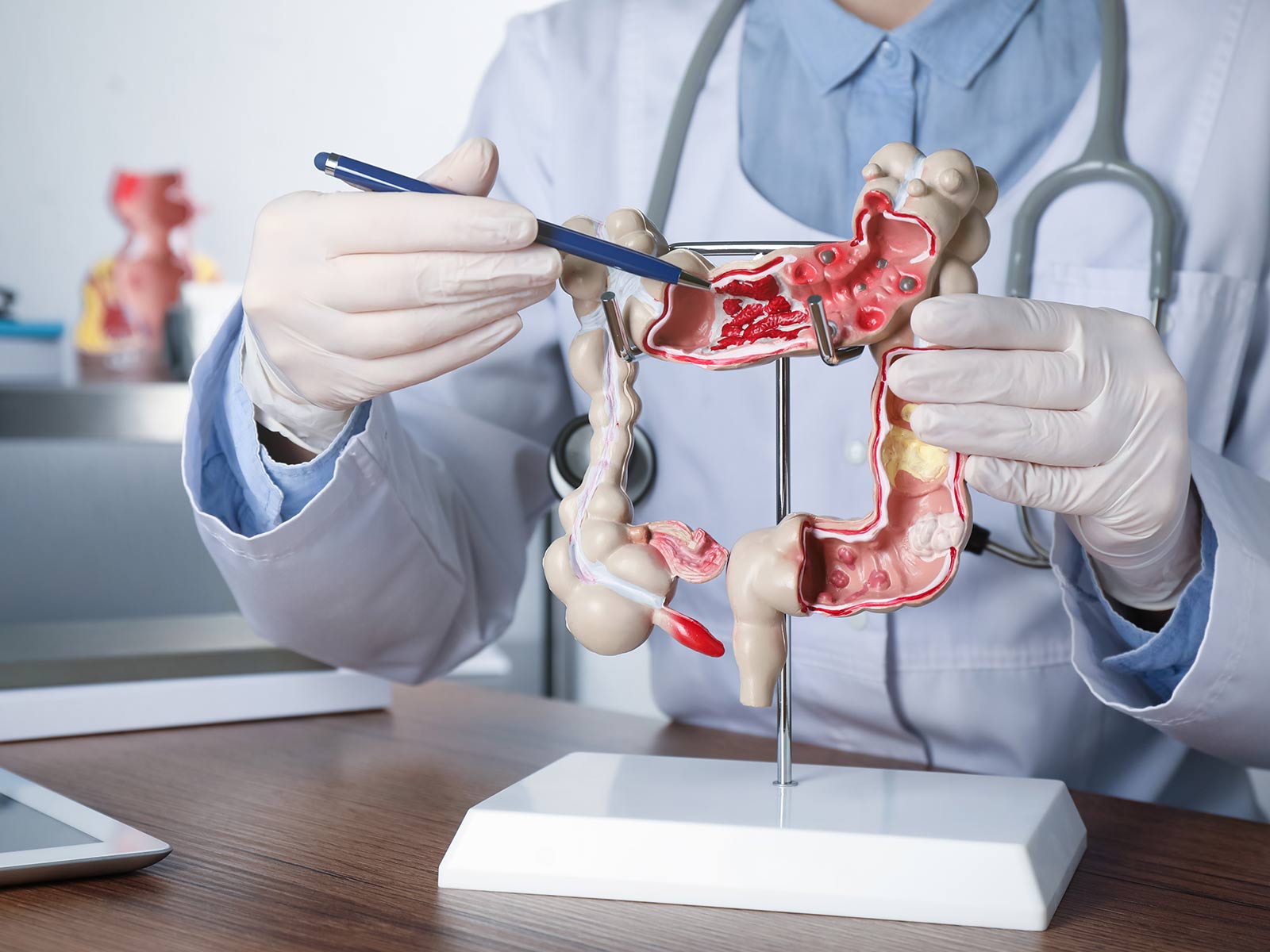








A duodenal polyp is a little lump or bump on the inner surface of the duodenum which is the first part of your small intestine. Most of the duodenal polyps are benign, however, some types, such as adenomatous or sessile polyps, need closer follow-up or excision to avoid future complications.
There are a lot of duodenal polyps that do not manifest themselves. In cases when they do arise, they may include:
It is not always clear that what causes duodenal polyps, however, there are several factors which may put you at the risk:
At GastroDoxs, we utilize both years of the GI experience and the most advanced endoscopic technology in detecting and treating duodenal polyps in a safe and effective way. Patient centered care guarantees that you will get care plans that are personalized, soft sedation, and customized instructions on what to eat that will help you heal fast and have long-term digestive health.
We've successfully treated more than 1K patients, helping individuals improve their digestive health and overall well-being through expert, personalized care.
With over 20 years of experience, GastroDoxs has been a trusted provider of gastroenterology care, focusing on delivering the best outcomes for patients
Dr. Bharat Pothuri is a board-certified expert in Gastroenterology and Hepatology with extensive training and expertise in both digestive health and liver diseases.
He is deeply committed to providing personalized care, focusing on understanding each patient’s unique needs. His approach combines advanced diagnostic techniques with tailored treatment plans to ensure the best possible outcomes. Patients appreciate his compassionate care and thorough approach, and many express high satisfaction with the improvements they experience in their digestive and liver health under his expert guidance.
A duodenum can be visualized using an upper endoscopy which enables our GastroDoxs specialists in Cypress to detect and remove any polyps.
Majority of duodenal polyps are benign in nature and polyps removed are all sent to a lab to be examined on whether the duodenal polyps contain precancerous or cancerous cells.
A polypectomy will restore most of the patients to normalcy within 1-2 days. In case of surgery, it might take a little longer before one is fully recovered.
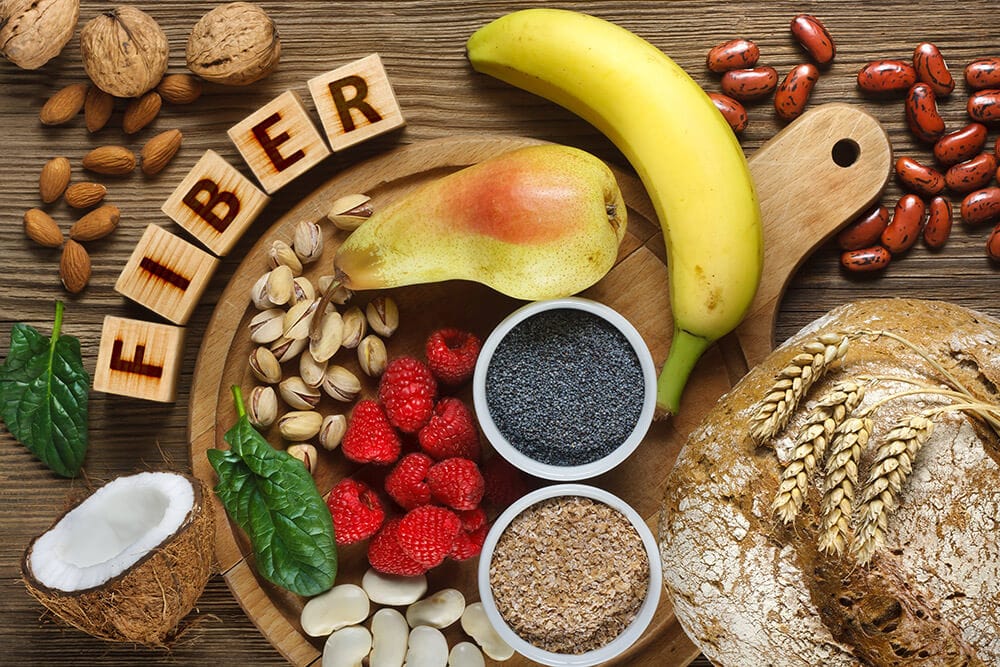
Yes. A high-fiber and low-red meat diet (fruits and vegetables and whole grains) could help decrease your chances of getting polyps.
Yes. Depending on the type, quantity, and size of polyps, your doctor will prescribe follow-ups ranging between 1-3 years of endoscopy.
Hardly processed foods such as clear broths, bananas, plain rice, and cooked vegetables are to be adhered to as your duodenum heals.
Polyps are inward extensions or protuberances in the intestinal mucosa; ulcers are open wounds which may produce pain, bleeding or inflammation.
No. We apply light sedation when doing engoscopy so that you can feel relaxed and not experience any pain when having the polypectomy.
Yes. Polyp recurrence may happen and as such, follow-up appointments and endoscopies are very helpful in early diagnosis.
When you have constant stomach pain, dark or black stools, unexplainable anemia, or it is evident that one of your relatives had polyps, reach GastroDoxs in Cypress.