







Diverticulosis of the colon happens when small openings guided by the name diverticula stick out on the through weak points in the wall of your large-intestine. These pouches are not inflamed very often and the vast majority of people do not even have any idea that they have them. They predominantly occur in the sigmoid (lower) colon and are not to be confused with diverticulitis which is the infection or swelling of these pouches.
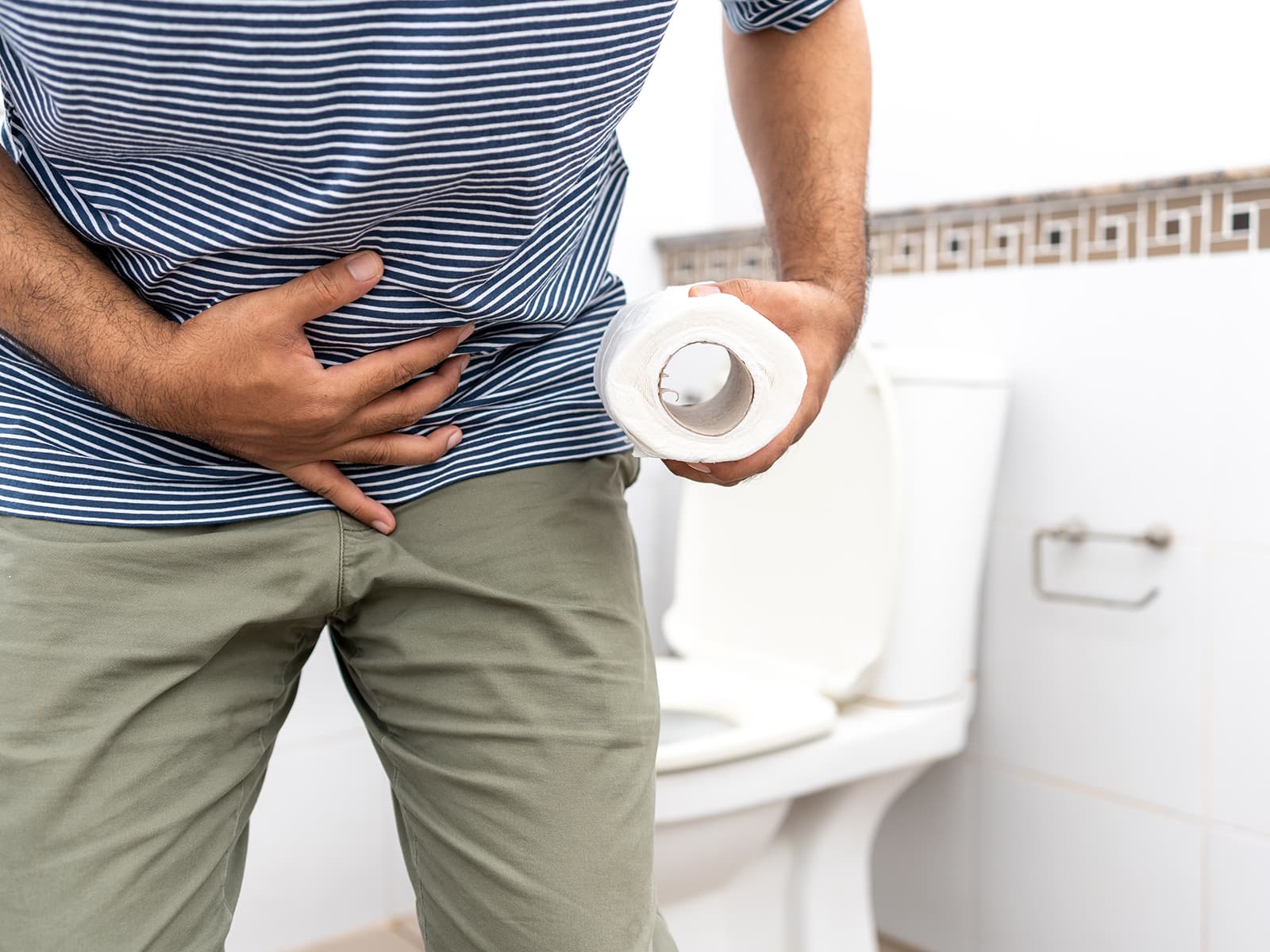
Diverticulosis is an unspecified illness in many people. When the signs actually appear, they are usually gentle and sporadic including:
Not known to physicians, with certainty, why diverticula develop, but the following factors may increase your risk:
GastroDoxs is focused on patient-centered care and universal solutions to the digestive health requirements and offers excellent diagnostics and effective cure of colon diverticulosis. We are guided by the philosophy of sweet, individualized care in order to make you reach sustainable relief and better quality of life. Call us today at 832-632-4070 or Book an Appointment with our Cypress team.
We've successfully treated more than 19.8K patients, helping individuals improve their digestive health and overall well-being through expert, personalized care.
With over 20 years of experience, GastroDoxs has been a trusted provider of gastroenterology care, focusing on delivering the best outcomes for patients
Dr. Bharat Pothuri is a board-certified expert in Gastroenterology and Hepatology with extensive training and expertise in both digestive health and liver diseases.
He is deeply committed to providing personalized care, focusing on understanding each patient’s unique needs. His approach combines advanced diagnostic techniques with tailored treatment plans to ensure the best possible outcomes. Patients appreciate his compassionate care and thorough approach, and many express high satisfaction with the improvements they experience in their digestive and liver health under his expert guidance.
Diverticulosis: small (diverticula) have appeared in the wall of the colon, but they are not inflamed. When those pouches swell or get infected, this condition is called diverticulitis and it may lead to pain, fever, among other symptoms.
Yes. In most of the cases, individuals with diverticulosis never have any symptoms until such diverticula are inflamed or infected.
Diverticulosis is either identified through a routine colonoscopy or on radiographic examination such as CT scan obtained as a result of other causes.
The guidelines usually permit the nuts, seeds, and popcorn since they are tolerated by the majority of individuals. Learn to stick to a high-fiber diet including fruits, vegetables, and whole grains.
Goal: 25-30g of dietary fiber/day. This will make stool soft, decrease colon pressure, and possibly delay the development of new diverticula.
Probiotics can put together a healthy gut microbiome and enhance the digestive system, although there is varied evidence. Reconcile with your doctor before taking any supplement.
Book an appointment and see a doctor in case of progressive belly pain, fever, rectal bleeding, or other new digestive symptoms that are of concern to you.
Yes. Exercise can improve bowel movement, decongest the colon and increase general digestive.
Surgical intervention is actually not necessary in simple diverticulosis. Only in case of frequent attacks of diverticulitis or severe complications such as perforation, it may be taken into consideration.
The frequency of follow-up colonoscopy varies according to your age and health condition. The gastroenterologist will prescribe the optimal schedule to you.