







Pancreatic cyst refers to a fluid filled sac which grows in or on the pancreas. The physicians give different cysts ICD-10 codes K86.2 and K86.3. They can either origin at the end or head on the pancreas and can be asymptomatic or even pre-cancerous.
Some of the pancreatic cysts display no symptoms. When they do, you may notice:
The various forms of cysts are an outcome of various processes:
GastroDoxs Houston has put its emphasis on specialized diagnosis and treatment of pancreatic cyst on the principles of premium imaging, endoscopic ultrasound and the minimum invasive procedures. With high levels of care, wherein patients are approached with a caring, patient-centered approach, and provided a tailored treatment plan to pursue, our board-certified gastroenterologists are sure to deliver quality care to patients. It is not worth waiting until you have the clarification and attention that you want. Schedule an appointment and be fully examined and we will guarantee that you have an in-depth examination and pancreatic schedule.
We've successfully treated more than 1.8K patients, helping individuals improve their digestive health and overall well-being through expert, personalized care.
With over 20 years of experience, GastroDoxs has been a trusted provider of gastroenterology care, focusing on delivering the best outcomes for patients
Dr. Bharat Pothuri is a board-certified expert in Gastroenterology and Hepatology with extensive training and expertise in both digestive health and liver diseases.
He is deeply committed to providing personalized care, focusing on understanding each patient’s unique needs. His approach combines advanced diagnostic techniques with tailored treatment plans to ensure the best possible outcomes. Patients appreciate his compassionate care and thorough approach, and many express high satisfaction with the improvements they experience in their digestive and liver health under his expert guidance.
Pseudocysts and the rest of the pancreatic cysts are classified into K86.2 and cyst of pancreas respectively as K86.3.
The pancreatic cysts majorly include the pseudocysts, serous cystadenoma, mucinous cystic neoplasma and intra ductal papillary mucinous neoplasma (IPMN).
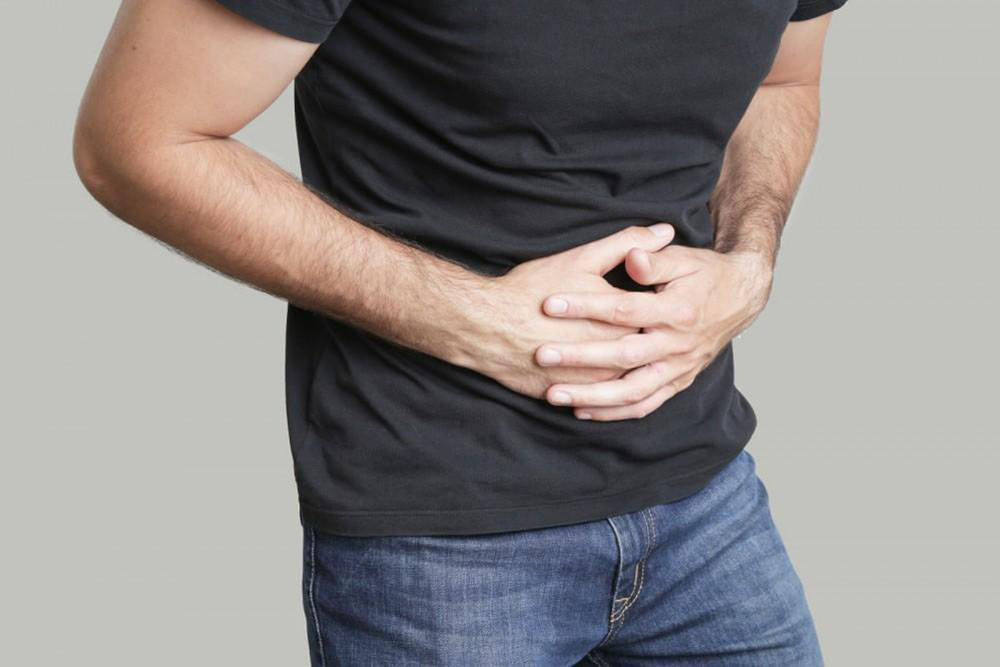
The symptoms can either be In the upper abdomen pain or discomfort, bloated bowel, early fullness after meals, nausea, bad weight loss or jaundiced color.
Diagnosis Diagnosis Diagnosis is usually founded on imaging study, such as CT scan, MRI, or endoscopic ultrasound of the cyst to establish its appearance.
Yes. Large pancreatic tail cysts can pinch other intestines or nerves leading to pain or discomfort in the stomach.
Most of the pancreatic tail cysts are harmless but mucinous cystic neoplasma could be suspect of malignancy hence close follow up is required.
The easiest imaging procedures in terms of any diagnosis and management of the cysts in the hepatic head of the pancreas are, CT (computed tomography), MRI (magnetic resonance imaging), and the ultrasound, which was provided by an endoscope.
Not always. Small cysts without any symptoms can undergo regular body examinations but the bigger cysts or those that present symptoms could involve their drainage or the scalpel.
Locate a board-certified gastroenterologist in Houston with experience in the management of pancreatic cysts e.g. GastroDoxs experience.
Treatment may differ based on the kind of cyst, size of the cysts, symptoms, and well-being of the patient; they include surveillance and endoscopic drain up to the minimally invasive surgery.