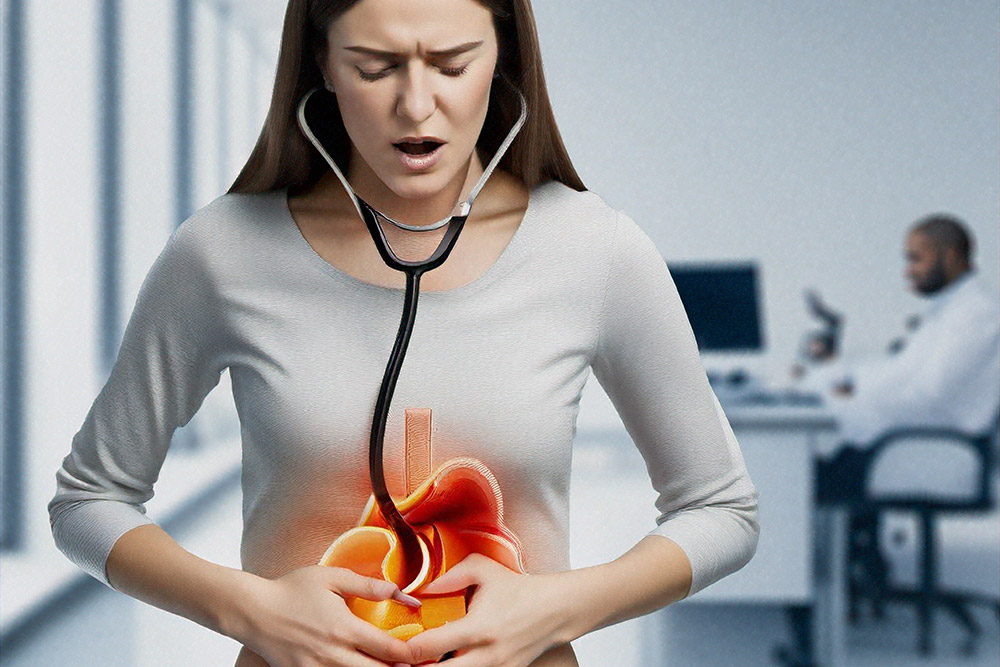








Constipation is a common digestive problem that affects millions of people every year.
Most cases are mild and improve with lifestyle changes such as increased fiber intake, hydration, and physical activity.
However, there are situations where constipation can signal a serious medical problem that requires immediate medical attention.
Recognizing the warning signs early can prevent complications and help protect your digestive health.
If you live in Cypress, TX, knowing when to seek help from a gastroenterologist can make a significant difference in outcomes.
This guide explains:
Constipation typically refers to infrequent bowel movements or difficulty passing stool.
Most healthcare professionals define constipation as:
For many people, constipation is temporary and resolves with dietary adjustments. But when symptoms become severe or persistent, they may indicate a more serious digestive condition.
Constipation becomes an emergency when it is accompanied by severe symptoms that suggest blockage, infection, or serious digestive disease.
These symptoms may indicate complications that require urgent evaluation by a gastroenterologist or emergency physician.
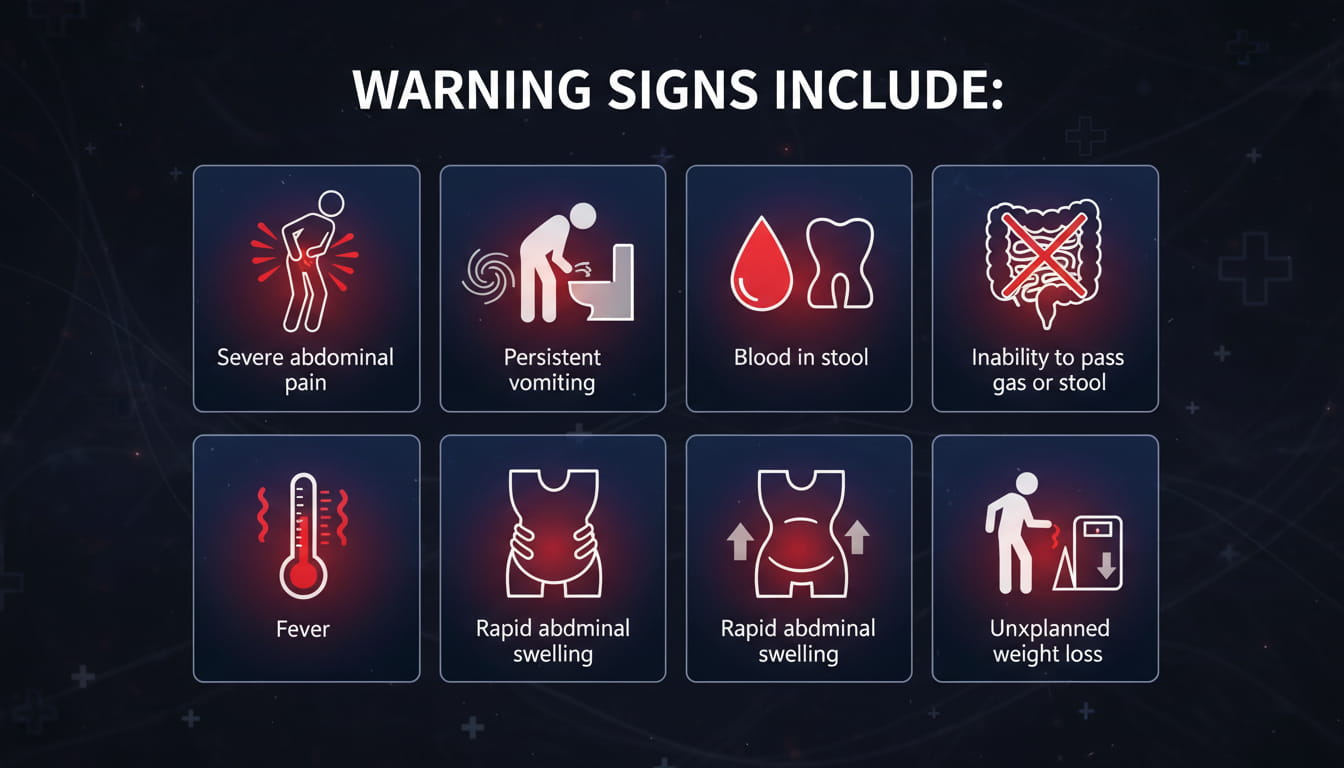
These symptoms can signal conditions such as bowel obstruction, fecal impaction, colon cancer, or intestinal inflammation.
If these symptoms appear, seeking medical care immediately is essential.
Understanding the red-flag symptoms can help determine when constipation requires immediate care.
Intense or worsening abdominal pain may indicate:
Pain that does not improve with bowel movements should be evaluated promptly.
Vomiting combined with constipation can suggest intestinal blockage or obstruction.
In some cases, the body attempts to expel intestinal contents through vomiting when stool cannot pass through the colon.
This condition requires immediate medical evaluation.
Blood during bowel movements may indicate:
While hemorrhoids are common, persistent bleeding should always be evaluated by a gastroenterologist.
When stool or gas cannot pass through the digestive tract, it may indicate a bowel obstruction.
Symptoms may include:
This is a medical emergency that requires urgent care.
Fever along with constipation may indicate infection or inflammation in the digestive system.
Possible causes include:
Fever should never be ignored when accompanied by digestive symptoms.
Several medical conditions can lead to severe constipation that requires urgent care.
A bowel obstruction occurs when stool or gas cannot move through the intestines.
Common causes include:
Obstruction can quickly become life-threatening if untreated.
Fecal impaction occurs when hardened stool becomes stuck in the colon or rectum.
This condition may cause:
Fecal impaction often requires medical treatment or removal by a healthcare professional.
Although constipation alone rarely indicates colon cancer, persistent changes in bowel habits combined with other symptoms may raise concern.
Warning signs include:
Early screening and colonoscopy can help detect colon cancer early.
Conditions such as diverticulitis or inflammatory bowel disease can cause severe constipation with pain and fever.
These conditions require medical diagnosis and treatment.
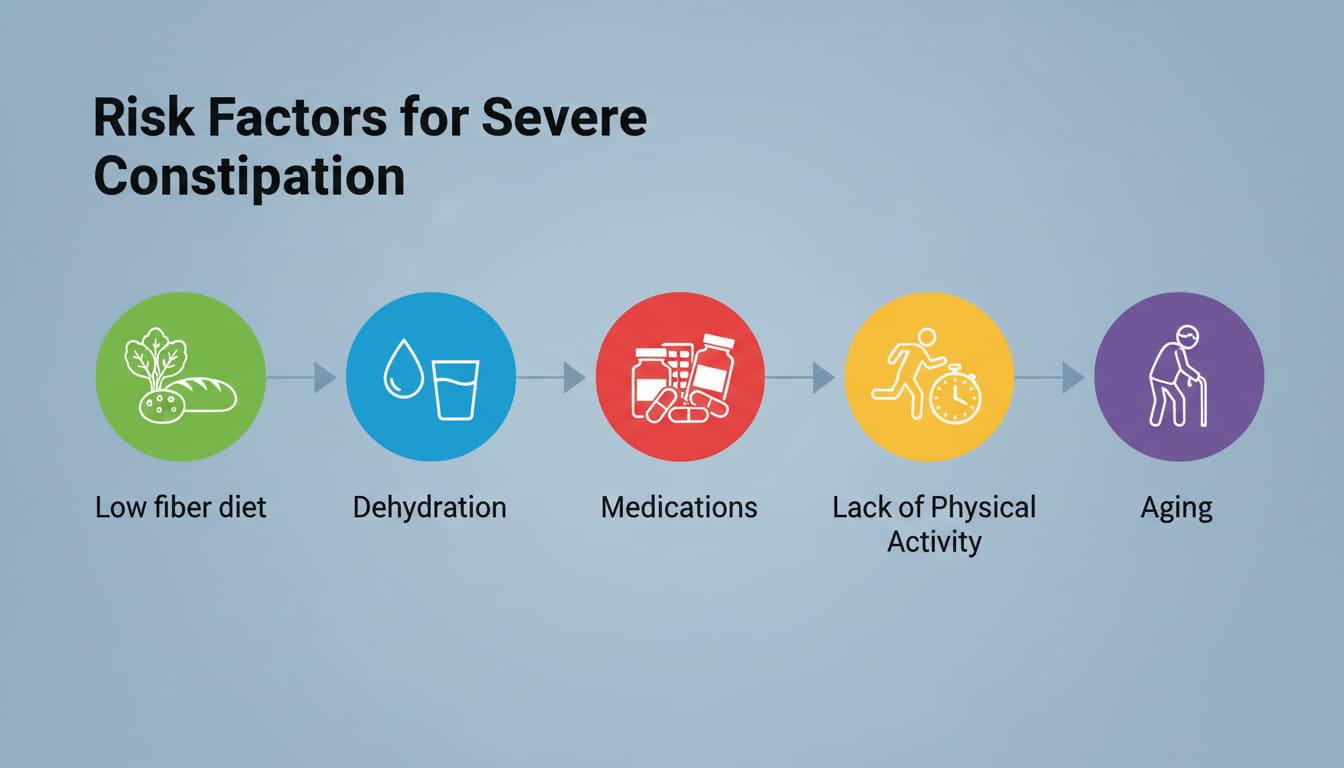
Fiber helps move stool through the digestive tract.
A diet lacking fruits, vegetables, and whole grains can slow bowel movements.
Water helps soften stool and support healthy digestion.
Insufficient hydration can lead to harder stools that are difficult to pass.
Certain medications can cause constipation, including:
Regular movement helps stimulate intestinal contractions.
Sedentary lifestyles may slow digestion.
Constipation becomes more common with age due to slower metabolism and medication use.
When symptoms become severe, a gastroenterologist may perform diagnostic tests to determine the underlying cause.
Common tests include:
A colonoscopy allows doctors to examine the colon for:
Imaging tests may include:
These tests help detect bowel obstruction or structural problems.
Blood tests may check for:
Stool analysis may help identify infection or digestive disorders.
Treatment depends on the cause and severity of constipation.
Options may include:
Doctors may prescribe:
If stool becomes severely impacted, a healthcare professional may need to remove it manually or with specialized procedures.
If constipation is caused by conditions such as bowel obstruction or inflammation, additional treatments may be required.
Preventive strategies can help maintain regular bowel movements and reduce the risk of complications.
Include foods such as:
Fiber helps move stool through the digestive tract.
Hydration softens stool and supports digestion.
Adults should aim for adequate daily water intake.
Exercise stimulates intestinal contractions and promotes regular bowel movements.
Ignoring the urge to have a bowel movement can lead to constipation.
Some medications may cause constipation as a side effect.
A healthcare provider can help adjust medications if needed.
If constipation becomes persistent or severe, consulting a gastroenterologist is recommended.
Residents of Cypress, TX should seek medical care if they experience:
Gastroenterologists specialize in diagnosing and treating digestive disorders and can provide advanced testing and treatment options.
Early evaluation can prevent complications and help restore healthy digestion.
While constipation is often mild and temporary, it can sometimes signal a serious medical condition.
Seek immediate medical care if constipation occurs with:
Recognizing these symptoms early and consulting a gastroenterologist can help ensure prompt diagnosis and treatment.
For residents in Cypress, TX, professional digestive care can help address both mild and severe constipation symptoms effectively.
Dr. Bharat Pothuri is a Board-Certified Gastroenterologist and Hepatologist. With extensive experience in digestive health, he specializes in advanced endoscopic procedures, chronic GI disorder management, and preventive care. Dr. Pothuri is dedicated to providing expert, patient-focused insights to help improve gut health and overall well-being.
Constipation becomes a medical emergency when it is accompanied by symptoms such as severe abdominal pain, vomiting, fever, blood in the stool, or the inability to pass gas or stool. These symptoms may indicate serious conditions like bowel obstruction, fecal impaction, or intestinal inflammation that require immediate medical attention.
Occasional constipation lasting a few days is common and usually not dangerous. However, if constipation persists for more than two weeks or worsens despite home remedies, it should be evaluated by a healthcare professional to rule out underlying digestive conditions.
Yes, severe constipation can lead to vomiting, especially if stool blocks the intestines and prevents normal digestion. This situation may indicate a bowel obstruction and should be evaluated immediately by a doctor.
Fecal impaction occurs when hardened stool becomes stuck in the colon or rectum and cannot be passed normally. This condition can cause severe pain, abdominal swelling, nausea, and difficulty passing stool and may require medical treatment.
Yes, constipation can cause abdominal bloating or swelling due to the buildup of stool and gas in the digestive tract. Severe abdominal distension should be evaluated by a doctor, especially if it is painful or persistent.
You should see a doctor if constipation lasts longer than two weeks, causes severe abdominal pain, includes blood in the stool, or occurs with symptoms such as vomiting, fever, or unexplained weight loss.
Colon cancer can sometimes cause changes in bowel habits, including persistent constipation. Warning signs may include narrow stools, blood in the stool, unexplained weight loss, and ongoing abdominal discomfort.
Doctors may use tests such as colonoscopy, abdominal X-rays, CT scans, blood tests, and stool tests to identify the underlying cause of severe or chronic constipation.
Preventing severe constipation involves maintaining a high-fiber diet, drinking enough water, exercising regularly, and responding to bowel movement urges promptly instead of delaying them.
You should go to the emergency room if constipation is accompanied by severe abdominal pain, vomiting, fever, inability to pass gas or stool, or blood in the stool, as these symptoms may indicate a serious digestive condition.