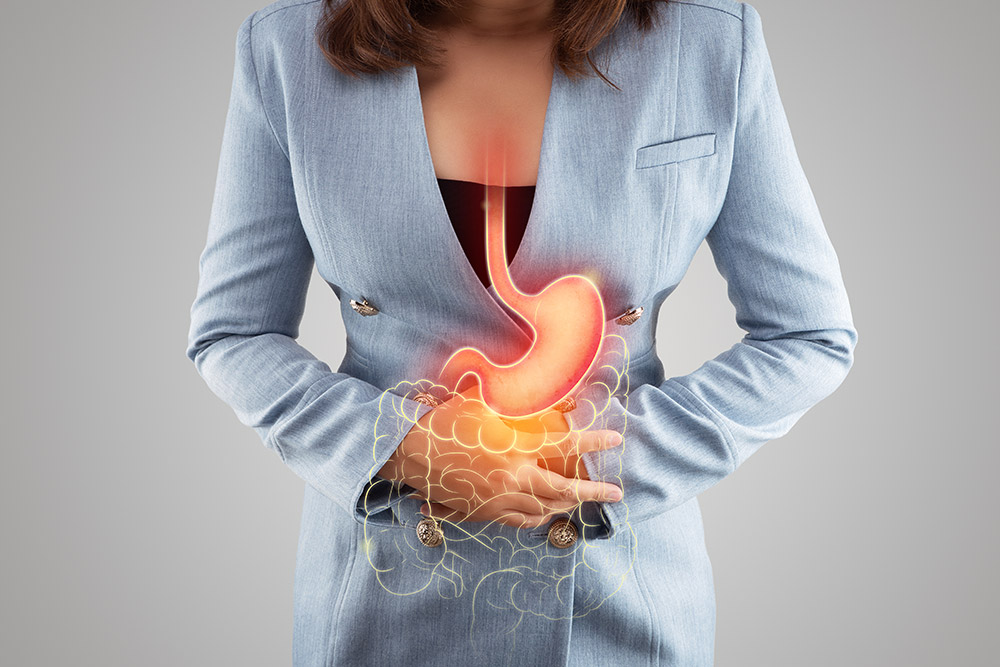








Ulcerative colitis (UC) is an inflammatory bowel disease (IBD) that is long term in nature and mostly affects the large intestine causing diarrhea, abdominal cramps, fatigue, and weight loss as the symptoms. When dealing with the uncertainty of the UC flare-ups, it may not be easy to cope with the uncertainty in the case of people living in Jersey Village, TX. The periods when the symptoms worsen are called flare-ups and can seriously impact the quality of life, work and activities.
The information about the cause of flare-ups, how to treat it, and when to consult a doctor is also valuable to an individual with UC. In this blog, the causes, symptoms, and interventions of ulcerative colitis flare-ups management in Jersey Village, TX, will be discussed.
In the instances when the inflammation of the colon is more severe, ulcerative colitis flare-ups develop, and then the symptoms are abruptly worsened. These flare-ups are either short term or may be extended that is, taking weeks depending on the intensity of the inflammation and the reaction of the treatment that the individual provides. There is no predictability of the flare-ups and they can occur any time, it is important that the patients with UC of Jersey Village, TX, should be prepared and know how to cope with it.
Flare-ups are characterized by a sudden increase in the severity of symptoms. Common signs of a UC flare-up include:
One of the hallmark symptoms of UC flare-ups is an increase in the frequency of diarrhea, often accompanied by blood or mucus in the stool. This can be both physically and emotionally draining for individuals living in Jersey Village, TX, as it may interfere with daily routines and social activities.
Pain and cramping are common during flare-ups. This can range from mild discomfort to severe pain, making it difficult to carry out everyday tasks, including working, exercising, or attending social events.
Chronic inflammation and the body's response to flare-ups can result in extreme fatigue, leaving individuals feeling exhausted even after a full night’s sleep. This fatigue can make it harder to focus on work, school, or personal activities in Jersey Village, TX.
Rectal bleeding is often more prominent during flare-ups. This can cause anxiety and distress, especially when it occurs frequently or in large amounts. It’s important to monitor this symptom closely and consult with a healthcare provider.
During a flare-up, many individuals with UC experience a reduced appetite, which can lead to unintentional weight loss. Malnutrition may also become a concern, especially if flare-ups persist for an extended period.
Understanding the triggers of UC flare-ups is essential for prevention and better management. Common triggers for UC flare-ups in Jersey Village, TX, include:

Stress is one of the most common triggers for UC flare-ups. For residents of Jersey Village, TX, balancing work, family, and social obligations can contribute to elevated stress levels, which may lead to an increase in UC symptoms. Practicing stress management techniques, such as mindfulness, yoga, or meditation, can help mitigate stress-related flare-ups.
Certain foods can exacerbate UC symptoms and trigger flare-ups. Spicy foods, high-fat foods, alcohol, caffeine, and dairy products are common culprits. It's important for UC patients in Jersey Village, TX, to track their food intake and identify any specific foods that might trigger a flare-up.
Infections, especially gastrointestinal infections, can trigger flare-ups in people with UC. It's important to be cautious about food safety and hygiene to prevent infections that may worsen symptoms.
Certain medications, including non-steroidal anti-inflammatory drugs (NSAIDs) and antibiotics, can trigger flare-ups or worsen symptoms. Patients with UC in Jersey Village, TX, should consult their healthcare provider before taking any new medications.
Smoking has been linked to the development and worsening of UC. While smoking may have a protective effect for some individuals with Crohn's disease, it exacerbates symptoms for people with ulcerative colitis. Quitting smoking can help reduce the frequency of flare-ups.
While UC flare-ups are inevitable, there are several strategies that can help manage symptoms and improve quality of life. Here are some key strategies for managing flare-ups:
Having a well-established treatment plan is essential for managing ulcerative colitis flare-ups. Medications such as corticosteroids, immunosuppressants, and biologics can help reduce inflammation and control symptoms. Regular check-ups with a gastroenterologist in Jersey Village, TX, are crucial for monitoring disease activity and adjusting treatment as necessary.
During a flare-up, it’s important to focus on eating foods that are gentle on the digestive system. A low-fiber diet, consisting of well-cooked vegetables, lean proteins, and easily digestible grains, can help reduce irritation in the colon. Working with a dietitian familiar with UC can provide personalized nutrition advice.
Diarrhea can lead to dehydration, so staying hydrated is vital during flare-ups. Drinking plenty of water and electrolyte-rich drinks can help maintain hydration levels and support overall health.
Taking time to rest and engage in stress-reducing activities can significantly improve your condition during a flare-up. Practices like meditation, yoga, and breathing exercises can reduce stress and promote overall well-being.
If symptoms of a flare-up become severe, including intense abdominal pain, fever, or heavy rectal bleeding, it’s important to seek emergency medical care. In Jersey Village, TX, local emergency departments and gastroenterology practices are equipped to provide immediate care for severe UC flare-ups.

While flare-ups are common in individuals with UC, there are times when medical intervention is necessary. If you experience any of the following symptoms, it's important to seek help:
For residents of Jersey Village, TX, visiting a local gastroenterologist can help you manage flare-ups more effectively and prevent long-term complications.
Ulcerative colitis flare-ups can be challenging for individuals living in Jersey Village, TX, but with the right management strategies, it’s possible to reduce their frequency and severity. Recognizing triggers, following a treatment plan, and making lifestyle adjustments are key to managing the condition effectively. By staying informed and working closely with healthcare professionals, UC patients can improve their quality of life and minimize the impact of flare-ups.
If you're experiencing frequent or severe flare-ups of ulcerative colitis, don’t wait to seek help. Contact the expert team at GastroDoxs in Jersey Village, TX, for personalized care and support in managing your condition.
Dr. Bharat Pothuri is a Board-Certified Gastroenterologist and Hepatologist. With extensive experience in digestive health, he specializes in advanced endoscopic procedures, chronic GI disorder management, and preventive care. Dr. Pothuri is dedicated to providing expert, patient-focused insights to help improve gut health and overall well-being.
Flare-ups of ulcerative colitis are caused by a combination of factors, including stress, certain foods, infections, medications, and smoking. Identifying triggers and avoiding them is key to preventing flare-ups.
Managing UC flare-ups involves following a treatment plan, making dietary adjustments, staying hydrated, and practicing stress-reducing techniques like yoga and meditation. It’s also important to get plenty of rest.
If symptoms like severe abdominal pain, heavy rectal bleeding, or high fever occur, it’s important to seek medical attention immediately. For urgent care, contact a local gastroenterologist in Jersey Village, TX.
Certain foods can trigger UC flare-ups, including spicy foods, alcohol, and dairy. During flare-ups, it’s recommended to follow a low-fiber diet and avoid foods that irritate the digestive tract.
While it’s impossible to prevent all flare-ups, managing stress, avoiding triggers, and following a prescribed treatment plan can help reduce the frequency and severity of flare-ups.
Medications such as corticosteroids, immunosuppressants, and biologics can help reduce inflammation and control symptoms during a flare-up. It's important to follow your doctor's recommendations for medication to manage UC effectively.
Regular light to moderate exercise can help improve overall health, reduce stress, and boost energy levels, which can be beneficial during flare-ups. However, it's important to avoid intense exercise during active flare-ups.
Frequent flare-ups can lead to complications such as malnutrition, dehydration, and an increased risk of colon cancer. Managing flare-ups effectively is key to preventing long-term health issues.
Keeping a journal to track symptoms, triggers, food intake, and medication usage can help identify patterns and provide valuable insights for managing flare-ups more effectively with your healthcare provider.
If symptoms become severe, including intense abdominal pain, fever, or heavy bleeding, hospitalization may be necessary for immediate care. Contact your healthcare provider to determine when inpatient care is required.