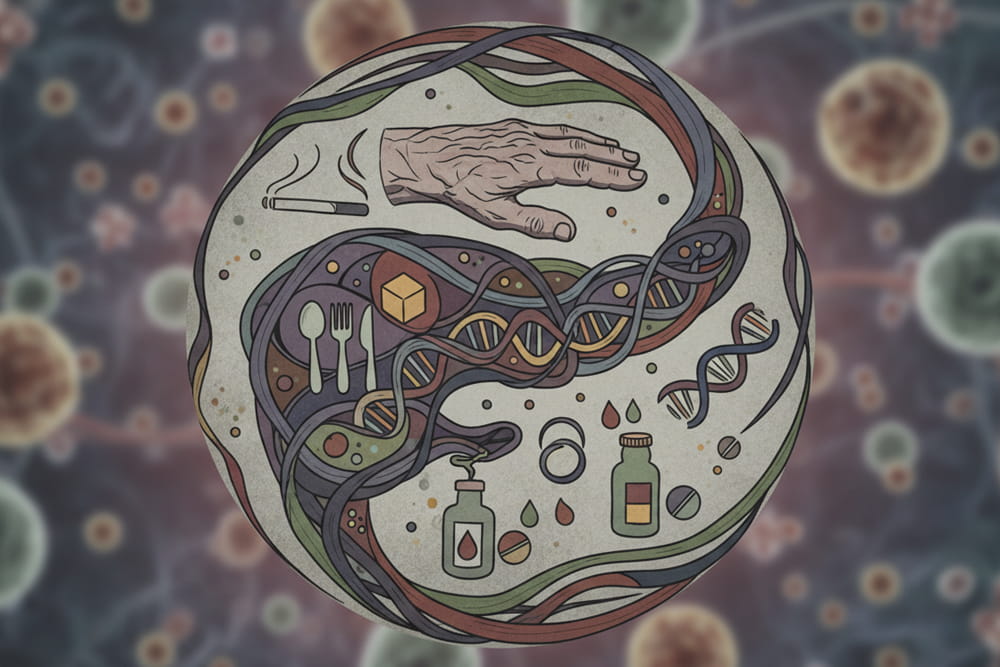








Pancreatic cancer is one of the most aggressive types of cancers that is intermittently diagnosed at advanced stages and thus hard to control. In the example with Cypress, TX residents, there might be a need to make a step to learn the risk factors of pancreatic cancer to be able to diagnose the diseases and prevent them earlier on and with a better health outcome in general.
In this blog post, the we will elaborate the major risk factors in pancreatic cancer and the reason as to why the people must be well aware of it in Cypress, TX. Creating awareness at an early age is necessary because even though the pancreatic cancer diagnosis is late, the readiness to be aware of your risks, which leads to active health and creating more awareness to the warning signs. What you can do to decrease it, what are the common causes, underlying factors and environmental factors that can predispose you to pancreatic cancer will be the subject matter of the blog.
Pancreatic cancer is a complication that begins in the pancreas, which is a gland close to the stomach and is highly critical in digestion and blood sugar regulation. There are two different types of pancreatic cancer:
The two types are dangerous, yet exocrine pancreatic cancer is much more prevalent and is diagnosed too late, thereby making it difficult to be diagnosed at an early stage. The awareness of the risk factors that lead to the occurrence of pancreatic cancer can help the people living in Cypress to prevent pancreatic cancer and detect the indicators at an early stage.
Age is one of the most significant factors contributing to pancreatic cancer risk. The risk of developing pancreatic cancer increases with age, particularly after the age of 55. While pancreatic cancer can affect younger people, it is more commonly diagnosed in people over 60. In Cypress, TX, like in other communities, the growing aging population means that more individuals may face this increased risk. The changes in the pancreas over time, along with the cumulative impact of environmental exposures, can increase the likelihood of mutations that lead to cancer.
Actionable Tip: If you are over the age of 55 and have other risk factors, discuss regular checkups with your healthcare provider in Cypress, TX.
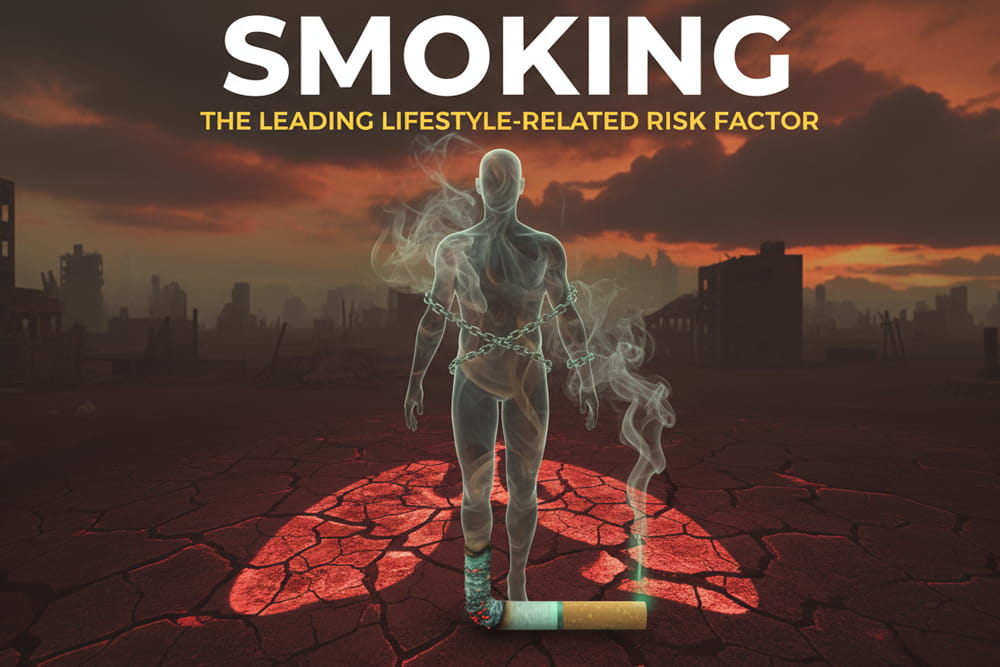
Smoking is one of the most well-established lifestyle-related risk factors for pancreatic cancer. Research has shown that smokers are two to three times more likely to develop pancreatic cancer than non-smokers. In Cypress, many residents may not realize how much smoking can increase their risk. The chemicals in cigarettes can damage the cells in the pancreas, leading to mutations that contribute to cancer development.
Actionable Tip: Quitting smoking at any age significantly reduces your risk of pancreatic cancer and improves your overall health. Consider reaching out to smoking cessation programs available in Cypress.
A family history of pancreatic cancer increases your risk of developing the disease. If someone in your immediate family—like a parent or sibling—has had pancreatic cancer, your likelihood of developing it increases, especially if the disease occurred at a younger age. Additionally, certain inherited genetic mutations, such as those in the BRCA2 gene (also associated with breast cancer) or the PALB2 gene, have been linked to an increased risk of pancreatic cancer.
Actionable Tip: If you have a family history of pancreatic cancer, it’s important to consult a genetic counselor in Cypress, TX, to assess your genetic risk and develop a monitoring plan.
Diabetes, especially type 2 diabetes, is both a risk factor for pancreatic cancer and a complication that can arise from the disease. Studies suggest that individuals with diabetes have a higher chance of developing pancreatic cancer, particularly if the diabetes developed later in life. In Cypress, the prevalence of type 2 diabetes is rising, and it's crucial for residents to manage their blood sugar levels carefully. Diabetes can lead to inflammation in the pancreas, increasing the risk of cancer over time.
Actionable Tip: Regularly monitor blood sugar levels and maintain a healthy weight to manage diabetes. Speak with your healthcare provider in Cypress about strategies to reduce your risk of both diabetes and pancreatic cancer.
Chronic pancreatitis is a long-term inflammation of the pancreas that can increase the risk of pancreatic cancer. It is often caused by heavy alcohol consumption, gallstones, or genetic disorders. In Cypress, individuals who suffer from chronic pancreatitis due to excessive alcohol use should be especially cautious. The repeated inflammation and damage to pancreatic tissue increase the likelihood of mutations that could lead to cancer.
Actionable Tip: Reducing alcohol consumption and managing underlying conditions like gallstones can lower your risk of developing chronic pancreatitis and, subsequently, pancreatic cancer.
Obesity is linked to a variety of cancers, including pancreatic cancer. Individuals who are obese or overweight have a higher risk of developing pancreatic cancer due to increased insulin resistance, chronic inflammation, and fat accumulation, which can lead to cell mutations. The rate of obesity has been steadily increasing in the U.S., including in Cypress, TX, contributing to a greater number of cancer diagnoses.
Actionable Tip: Maintain a healthy weight by eating a balanced diet and exercising regularly. If you're overweight, losing even a small amount of weight can significantly reduce your risk of pancreatic cancer.
Certain dietary factors have been associated with an increased risk of pancreatic cancer. A diet high in red meats, processed foods, and sugar can contribute to obesity, diabetes, and inflammation, all of which are risk factors for pancreatic cancer. On the other hand, a diet rich in fruits, vegetables, and whole grains can help reduce cancer risk by providing antioxidants and anti-inflammatory properties.
Actionable Tip: Consider a balanced diet with plenty of fruits and vegetables to support your pancreas and reduce cancer risk. Eating fiber-rich foods and limiting processed meats can make a significant difference.

Environmental and occupational exposures to toxic chemicals, such as pesticides, industrial chemicals, and asbestos, have been linked to a higher risk of pancreatic cancer. In Cypress, residents working in agriculture, construction, or certain industrial jobs may face an increased risk due to exposure to these chemicals.
Actionable Tip: If you work in an industry where you may be exposed to harmful chemicals, use protective gear and follow safety protocols. Regular medical checkups can help identify any early signs of cancer or related diseases.
Certain racial and ethnic groups, particularly African Americans, have been found to have a higher incidence of pancreatic cancer. In Cypress, as the population becomes more diverse, understanding the varying risk factors for different groups can help tailor prevention and screening efforts.
Actionable Tip: If you're part of a higher-risk ethnic group, it's important to be proactive about screenings and early detection, especially if you have additional risk factors.
Individuals who have previously been diagnosed with other forms of cancer, especially breast cancer, may be at a higher risk for developing pancreatic cancer. This is especially true if genetic mutations like BRCA2 or other inherited mutations were the cause of the initial cancer.
Actionable Tip: Talk to your doctor about your personal cancer history and consider genetic counseling to assess your overall risk for pancreatic cancer.
Awareness of pancreatic cancer risk factors is the first step toward prevention and early detection. Whether it’s by quitting smoking, managing diabetes, or making healthier lifestyle choices, Cypress, TX, residents can reduce their risk of developing pancreatic cancer. If you're concerned about your risk, Cypress-based healthcare providers can offer screenings, advice, and personalized care plans to help you stay healthy.
Dr. Bharat Pothuri is a Board-Certified Gastroenterologist and Hepatologist. With extensive experience in digestive health, he specializes in advanced endoscopic procedures, chronic GI disorder management, and preventive care. Dr. Pothuri is dedicated to providing expert, patient-focused insights to help improve gut health and overall well-being.
The main risk factors include age, smoking, family history, diabetes, chronic pancreatitis, obesity, and diet.
Yes, maintaining a healthy weight, eating a balanced diet, quitting smoking, and exercising regularly can significantly reduce your risk.
Smoking is one of the most significant preventable risk factors for pancreatic cancer, increasing the risk by two to three times.
Yes, a family history of pancreatic cancer, especially in first-degree relatives, increases the likelihood of developing the disease.
Type 2 diabetes and chronic pancreatitis cause inflammation and insulin resistance, which can contribute to pancreatic cancer development.
Yes, long-term inflammation of the pancreas increases the risk of developing pancreatic cancer.
Yes, being overweight or obese is a major risk factor due to increased insulin resistance and inflammation.
A diet rich in fruits, vegetables, whole grains, and lean proteins while avoiding processed foods, red meats, and sugary drinks can help lower your risk.
Yes, African Americans have a higher incidence of pancreatic cancer, and other factors such as family history and lifestyle can also influence risk.
Yes, exposure to certain chemicals, such as pesticides, industrial chemicals, and asbestos, has been linked to a higher risk of pancreatic cancer.
Consider genetic counseling, early screenings, and lifestyle changes to reduce your risk of developing pancreatic cancer.
Heavy alcohol consumption increases the risk of chronic pancreatitis, which in turn raises the risk of pancreatic cancer.
Early detection is challenging due to the lack of specific screening tests, but people at high risk may benefit from regular screenings and early interventions.
The survival rate for pancreatic cancer is generally low, as it is often diagnosed at advanced stages. Early detection can improve outcomes.
Treatment options include surgery, chemotherapy, radiation therapy, and experimental treatments, often depending on the stage of the cancer.