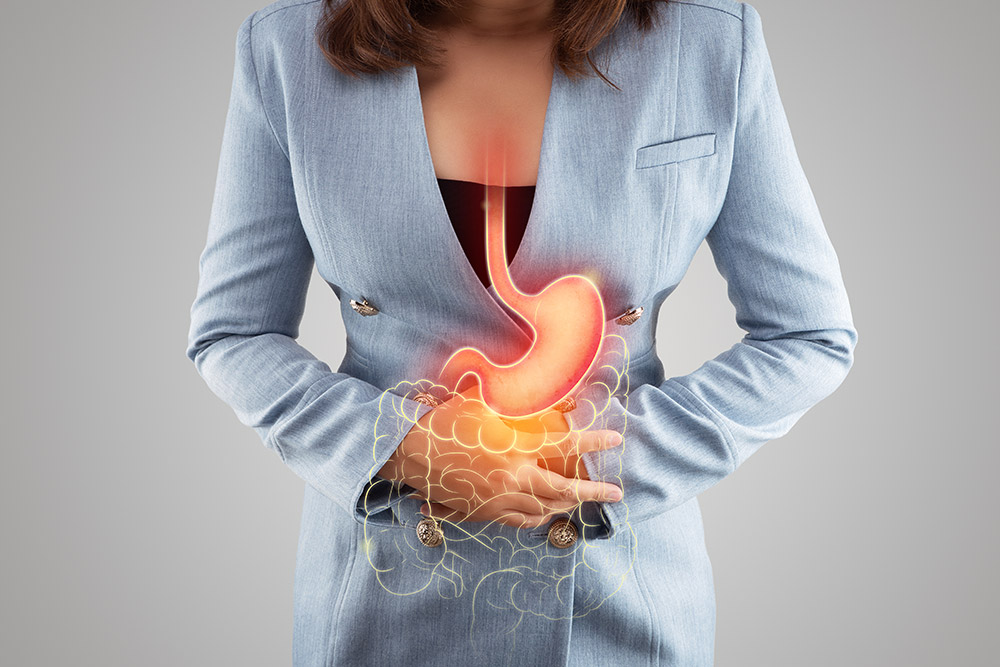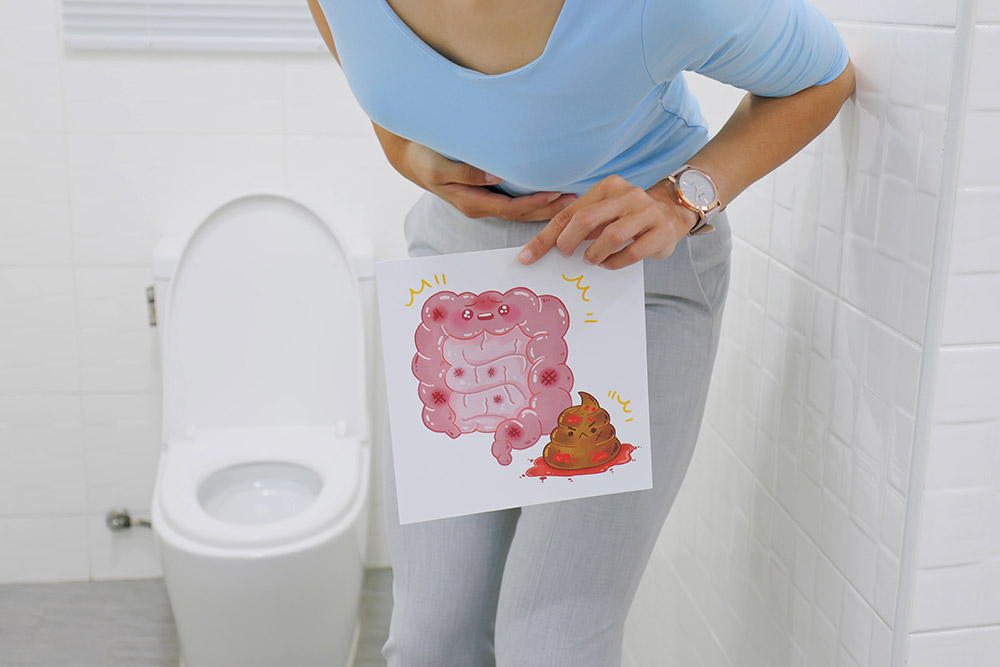








Living with ulcerative colitis may be painful and even more in case of the presence of such symptoms as mucus or blood in feces. To the Katy, TX population, it is necessary to understand the distinction between the two symptoms so that they can live with the condition and know when to seek the medical attention of the medical staff. Despite the fact that mucus and blood in stool are generally noted in ulcerative colitis, they allude to other things. We will discuss how to identify the difference between mucus and blood in your stool, the reasons why your symptoms are seen in the case of ulcerative colitis and under the condition that you have to visit your health care provider in Katy, TX today.

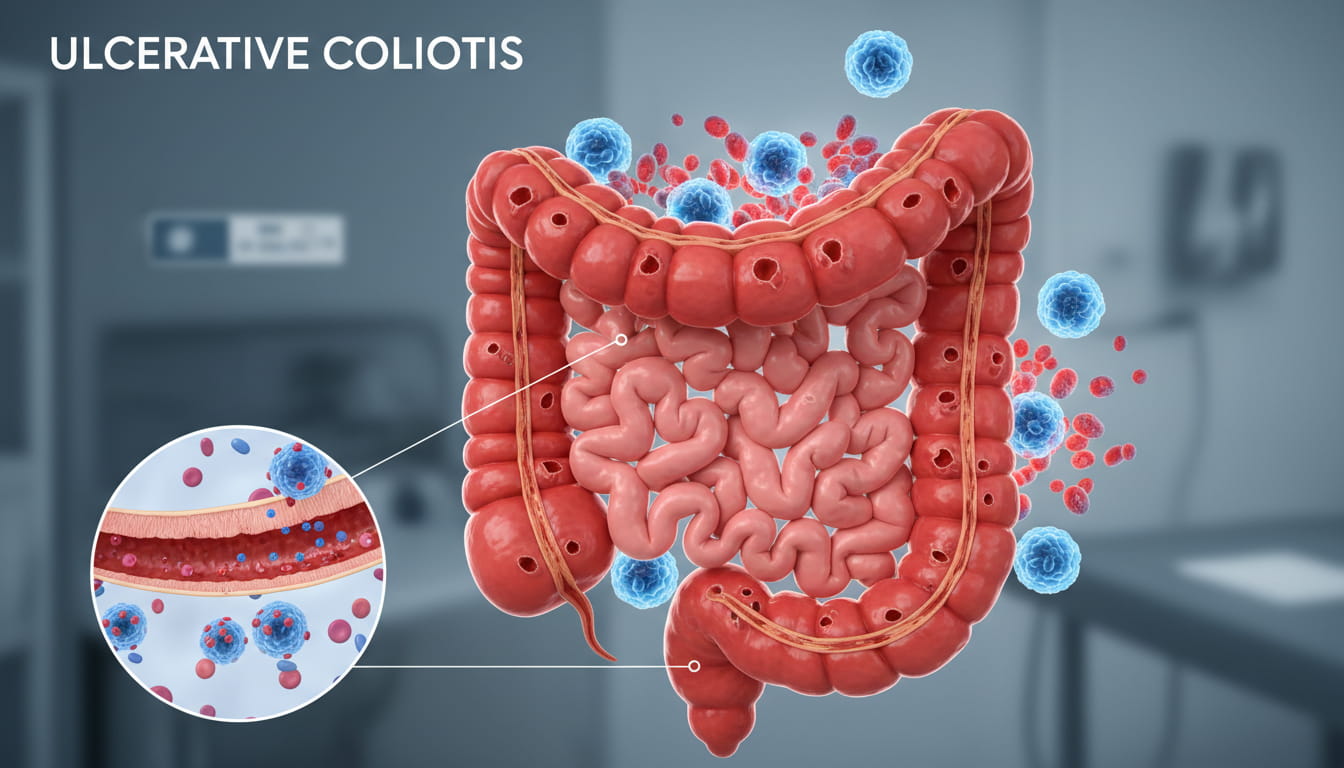
Ulcerative colitis (UC) is a chronic inflammatory bowel disease (IBD) that involves the large bowel (colon) and the rectum predominantly. Symptoms that may be related to the disorder include, but are not limited to, inflammation, ulcers, and sores on the lining of the colon, as a result of the disorder.
Local gastroenterologists in the treatment of ulcerative colitis in Katy, TX normally focus on increasing the image of the connection of the more common symptoms of mucus and blood in stool and disease activity.
Mucus is a naturally occurring substance in the body. It’s produced by the intestines to lubricate the digestive tract and protect the lining of the colon. While small amounts of mucus are normal and usually undetectable, people with ulcerative colitis often experience excess mucus production.
When the inflammation in the colon increases, it can cause the body to produce more mucus than usual, which may become noticeable in the stool. In Katy, TX, residents with ulcerative colitis should be aware that mucus is often more prominent during flare-ups when the disease is actively inflaming the colon.
Blood in stool is another common symptom of ulcerative colitis, particularly during flare-ups. When the lining of the colon becomes inflamed, the blood vessels in the colon can become damaged, leading to bleeding. Blood may then mix with stool as it passes through the intestines.
In Katy, TX, if you notice blood in your stool, it’s important to consult with a gastroenterologist to assess the severity of your condition and manage it effectively.
While both mucus and blood can appear in the stool of individuals with ulcerative colitis, it’s important to recognize the differences. Here’s a quick comparison:
| Feature | Mucus in Stool | Blood in Stool |
|---|---|---|
| Appearance | Slimy, clear, or white, jelly-like | Bright red or dark (tarry) |
| Cause | Overproduction of mucus due to colon inflammation | Damage to blood vessels or ulcers in the colon |
| Common in UC | Common during flare-ups or mild inflammation | More frequent during severe flare-ups or active inflammation |
| Associated Symptoms | Abdominal cramps, diarrhea, feeling of incomplete evacuation | Abdominal pain, diarrhea, fatigue, weight loss |
| Risk | Less alarming, but indicates disease activity | Can indicate more serious flare-ups or complications |
The increased production of mucus in ulcerative colitis is a result of inflammation in the colon. The body increases mucus production to protect the colon’s lining from further irritation. While mucus is typically produced in small amounts to lubricate the intestines, ulcerative colitis causes the body to produce more in an attempt to heal the inflamed areas of the colon.
In Katy, TX, during a flare-up, mucus is often more noticeable because of heightened inflammation. However, some individuals with ulcerative colitis may also experience mucus in stool even when they are in remission, although it’s generally less frequent.
Blood in stool often appears when the inflammation in the colon causes damage to the blood vessels or ulcers in the intestinal lining. This bleeding can range from light to severe, depending on the extent of the inflammation. If you notice bright red blood in your stool, it could signal that the bleeding is coming from the lower colon or rectum.
If the blood is darker or tarry in appearance, this may suggest that the blood is coming from a higher part of the digestive tract, such as the small intestine or stomach. In such cases, it's important to consult a gastroenterologist in Katy, TX, to determine the cause of the bleeding.

While mucus and blood in stool are common in ulcerative colitis, there are instances when they may indicate a more serious complication. If you experience any of the following, it’s important to contact your healthcare provider in Katy, TX:
Your Katy gastroenterologist can conduct tests, such as a colonoscopy, to evaluate the extent of inflammation and identify any potential complications related to ulcerative colitis.
Living in Katy, TX, means you have access to expert care for ulcerative colitis. Here are some ways to manage symptoms like mucus and blood in stool:
Your gastroenterologist in Katy will likely prescribe medications to control the inflammation that causes mucus and blood in stool. Some common medications include:
While no specific diet works for everyone, many people with ulcerative colitis find that certain foods can trigger flare-ups. A low-residue or low-fiber diet can help reduce irritation in the colon. A dietitian can work with you to develop a personalized nutrition plan that minimizes symptoms in Katy, TX.
Stress can exacerbate ulcerative colitis symptoms, including increased mucus and blood in stool. Practicing relaxation techniques like meditation, yoga, and deep breathing can help manage stress and improve overall well-being.
Keep track of any changes in your stool, such as the presence of mucus or blood. This can help you identify patterns and communicate more effectively with your healthcare provider.
Understanding the differences between mucus and blood in stool is crucial for managing ulcerative colitis in Katy, TX. While mucus is often a sign of inflammation, blood in the stool can indicate more serious complications, requiring prompt medical attention. By working with your gastroenterologist and following the right treatment plan, you can effectively manage these symptoms and improve your quality of life.
If you notice any concerning changes in your stool, don’t hesitate to reach out to a Katy gastroenterologist to get the expert care you need.
Dr. Bharat Pothuri is a Board-Certified Gastroenterologist and Hepatologist. With extensive experience in digestive health, he specializes in advanced endoscopic procedures, chronic GI disorder management, and preventive care. Dr. Pothuri is dedicated to providing expert, patient-focused insights to help improve gut health and overall well-being.
Yes, mucus in stool is common for individuals with ulcerative colitis, especially during flare-ups when the colon becomes inflamed.
Bright red blood often indicates bleeding from the lower colon or rectum, while darker blood suggests it’s from higher up in the digestive tract.
Yes, especially if the blood is bright red, large in volume, or accompanied by severe pain or fever. Immediate consultation with a Katy gastroenterologist is advised.
Yes, stress is known to trigger ulcerative colitis flare-ups, which can increase mucus production in stool.
Treatments may include aminosalicylates, immunosuppressants, biologics, and corticosteroids. A personalized treatment plan from a gastroenterologist will help manage symptoms.
If the blood is large in volume, if symptoms worsen, or if it’s accompanied by fever, pain, or weight loss, you should consult a healthcare provider immediately.
Yes, a low-fiber or low-residue diet may help minimize irritation in the colon and reduce mucus and blood in stool.
Not always, but it can indicate active inflammation or ulcers in the colon. It’s important to consult with your gastroenterologist for proper evaluation.
Yes, medications like aminosalicylates and immunosuppressants can help reduce inflammation and mucus production in the stool.
Keep a symptom diary and track the appearance of your stool, including mucus or blood. This information will help your doctor adjust your treatment plan accordingly.