







Colon cancer is considered as one of the most prevalent cancers globally yet it is also one of the most preventable and treatable cancers in cases of early diagnosis. In case you reside in Katy, TX, you have to know how your outcomes can be influenced by the time of diagnosis and treatment. This blog post will discuss the question of whether or not colon cancer can be cured by finding it early and the importance of early screening, and how GastroDoxs can aid in early detection, treatment and recovery.
Colon cancer begins either in the colon (large intestine) or in the rectum and it is sometimes known as colorectal cancer. It is commonly started by the appearance of polyps, non-cancerous openings, on the colon wall. A few of these polyps might become cancerous with time. Nonetheless, not every polyps develops into cancer, this is why it is important that they are regularly screened, in order to be considered before they become an issue.
The earlier the colon cancer is diagnosed, the better success is bound to be achieved in the treatment. Actually, colon cancer of the earliest (stage 1) predominantly can be cured. The treatment grows more complicated as the cancer enters the later stages and the survival rate becomes less. The relative survival rate of stage 1 colon cancer versus stage 4 stands at approximately 90 and 14% respectively (The American Cancer Society).
Colon cancer is categorized into stages based on how far the cancer has spread:
The earlier colon cancer is detected, the more treatment options are available and the better the chances of a cure.
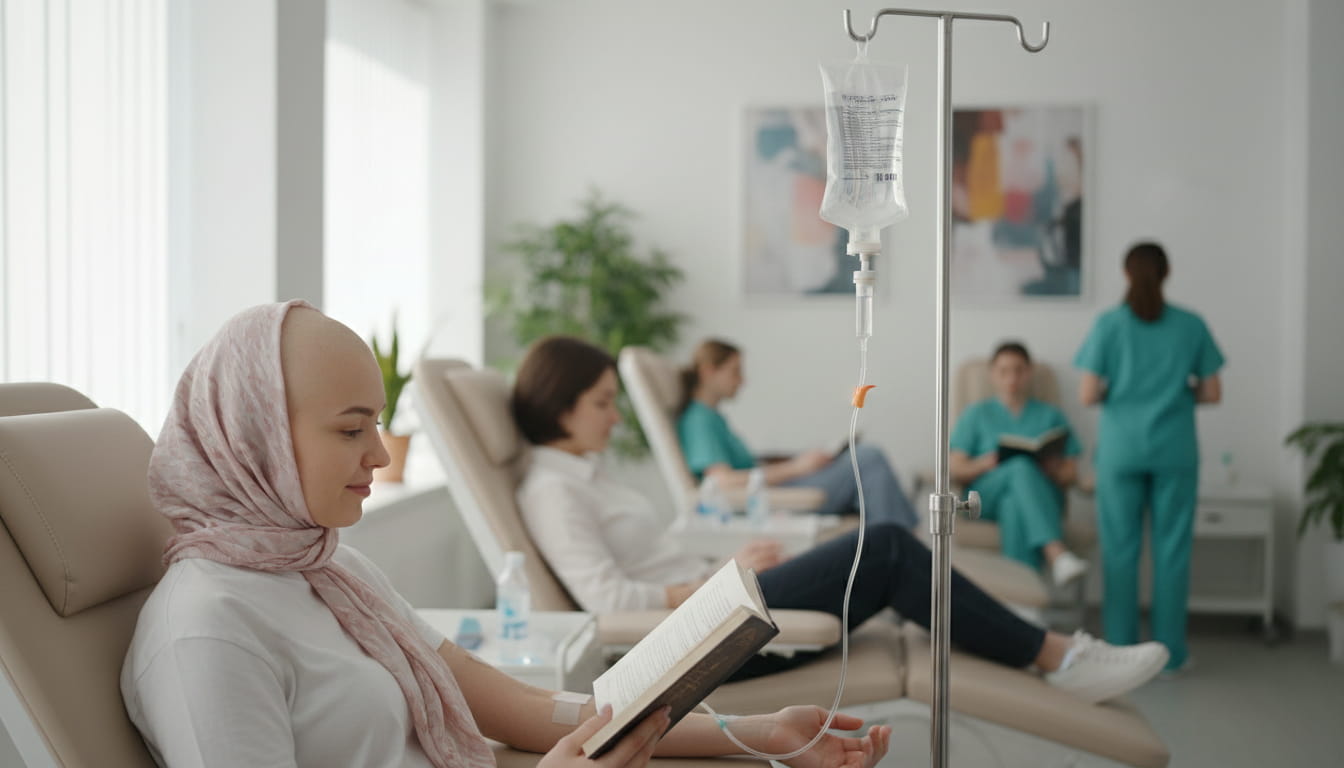
If caught at stage 1, colon cancer can usually be treated effectively. Early-stage treatment often involves the following:
The chances of curing colon cancer when it is detected early are extremely high. In fact, the survival rates for early-stage colon cancer are much better than for later stages:
By catching colon cancer in its earliest stages, it’s often completely treatable and even curable. Early screening plays a crucial role in achieving these outcomes.
The best way to detect colon cancer early is through regular screening. Colon cancer typically develops over several years, which means that early detection can often catch cancer before it spreads. The American Cancer Society recommends that individuals at average risk begin screening at age 45.
There are several options for colon cancer screening, including:

For individuals with a family history of colon cancer or other risk factors, screening may need to start earlier. The general guideline is to begin screening at age 45 for those at average risk, but if you have a family history or other risk factors, discuss earlier screening with your healthcare provider.
Colon cancer is one of the most treatable cancers when caught early. The best way to ensure your health is to stay on top of your screening schedule, especially if you live in Katy, TX, where early detection and timely treatment can significantly improve your prognosis. Speak to your doctor about when to begin screening and the best method for you.
At GastroDoxs, we are committed to helping our patients in Katy, TX, navigate their healthcare needs. If you're due for a colon cancer screening or need more information on early detection, don't hesitate to reach out. Early screening could save your life.
Dr. Bharat Pothuri is a Board-Certified Gastroenterologist and Hepatologist. With extensive experience in digestive health, he specializes in advanced endoscopic procedures, chronic GI disorder management, and preventive care. Dr. Pothuri is dedicated to providing expert, patient-focused insights to help improve gut health and overall well-being.
Most people should start screening at age 45. However, if you have a family history or risk factors, talk to your doctor about starting earlier.
If detected at stage 1, the survival rate is about 90%. Early detection and treatment lead to the highest cure rates.
The main treatment for early colon cancer is surgery to remove the tumor. Chemotherapy or radiation may be used in some cases.
While you can't prevent colon cancer entirely, regular screening and maintaining a healthy lifestyle (such as a balanced diet, regular exercise, and avoiding smoking) can lower your risk.
A colonoscopy is considered the most effective and thorough screening method, as it allows doctors to remove polyps during the procedure.
Most people are sedated during a colonoscopy, so the procedure is generally not painful. You may experience some bloating or cramping afterward.
If you are at average risk, you should have a colonoscopy every 10 years starting at age 45.
If your screening shows abnormalities, further tests, such as a colonoscopy, will be performed to determine whether cancer or polyps are present.
Eating a healthy diet, exercising regularly, maintaining a healthy weight, and avoiding smoking can help reduce your risk of developing colon cancer.
While colon cancer can be treated in later stages, the survival rate drops significantly. Early detection offers the best chance for a complete cure.