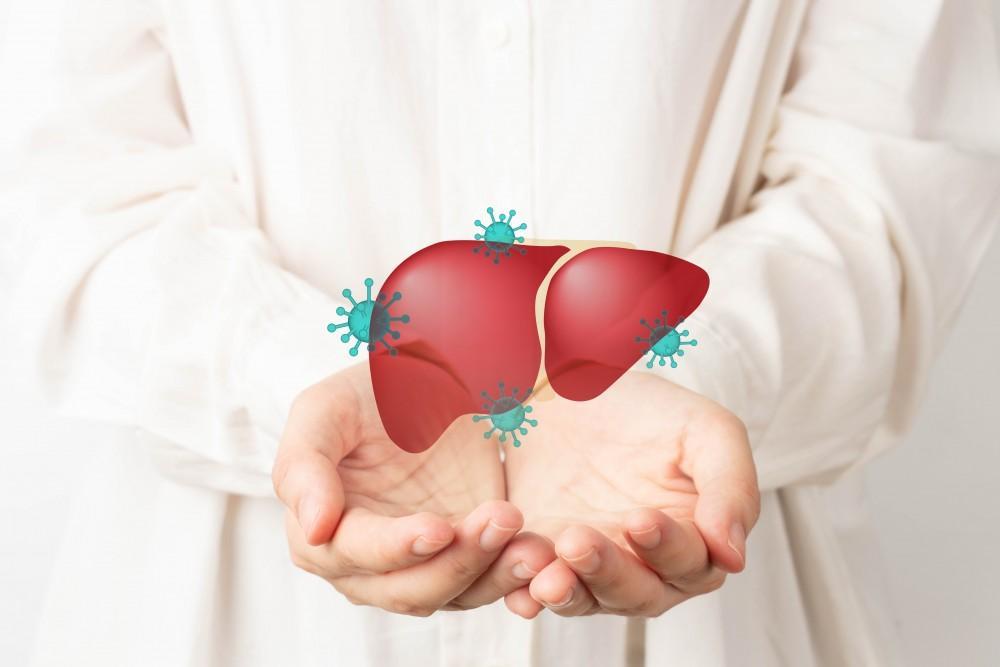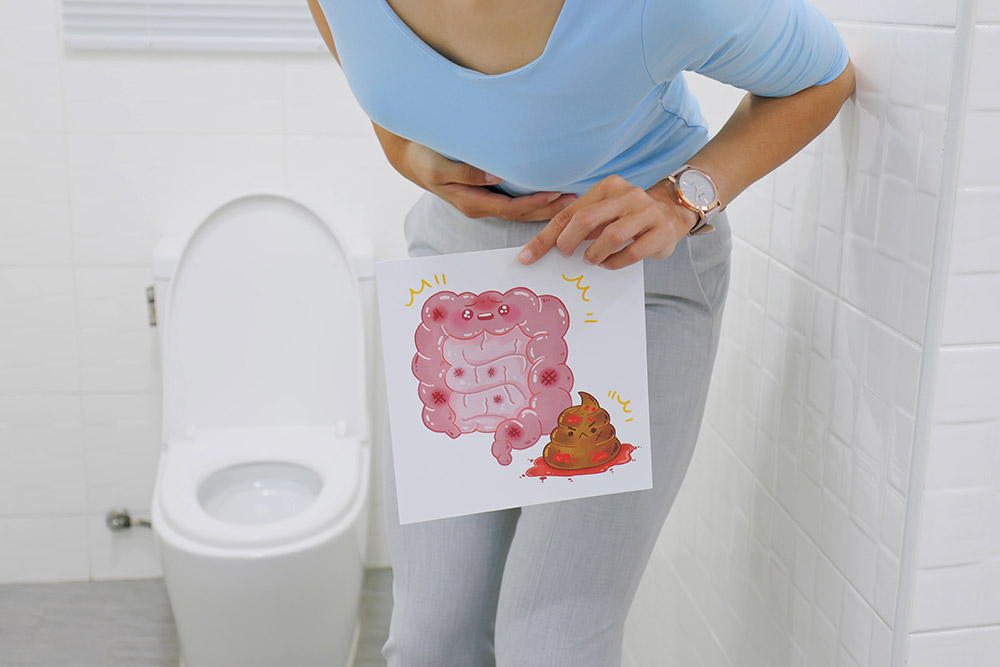
Digestive Health Guide for Patients in Cypress, TX
Changes in urine or stool color can sometimes reveal important information about digestive health. When urine becomes unusually dark or stool appears pale or clay-colored, the body may be signaling a potential liver or bile flow issue.
These symptoms often occur when the liver or bile ducts are not processing bilirubin normally. Bilirubin is a yellow pigment created when the body breaks down old red blood cells. Normally, the liver processes bilirubin and sends it into bile, which helps digest fats and gives stool its normal brown color.
When this process is disrupted, bilirubin can build up in the bloodstream or fail to reach the intestines properly. As a result, urine may appear darker than usual and stool may appear lighter.
Residents of Cypress, TX who notice persistent changes in urine or stool color should pay attention to additional symptoms that may indicate liver stress or digestive imbalance.
What does dark urine and pale stool mean?
Dark urine and pale stool may be warning signs of liver or bile flow problems. These symptoms occur when bilirubin is not processed or transported normally by the liver. When bilirubin builds up in the bloodstream, urine may appear darker. When bile does not reach the intestines properly, stool may lose its normal brown color and appear pale.
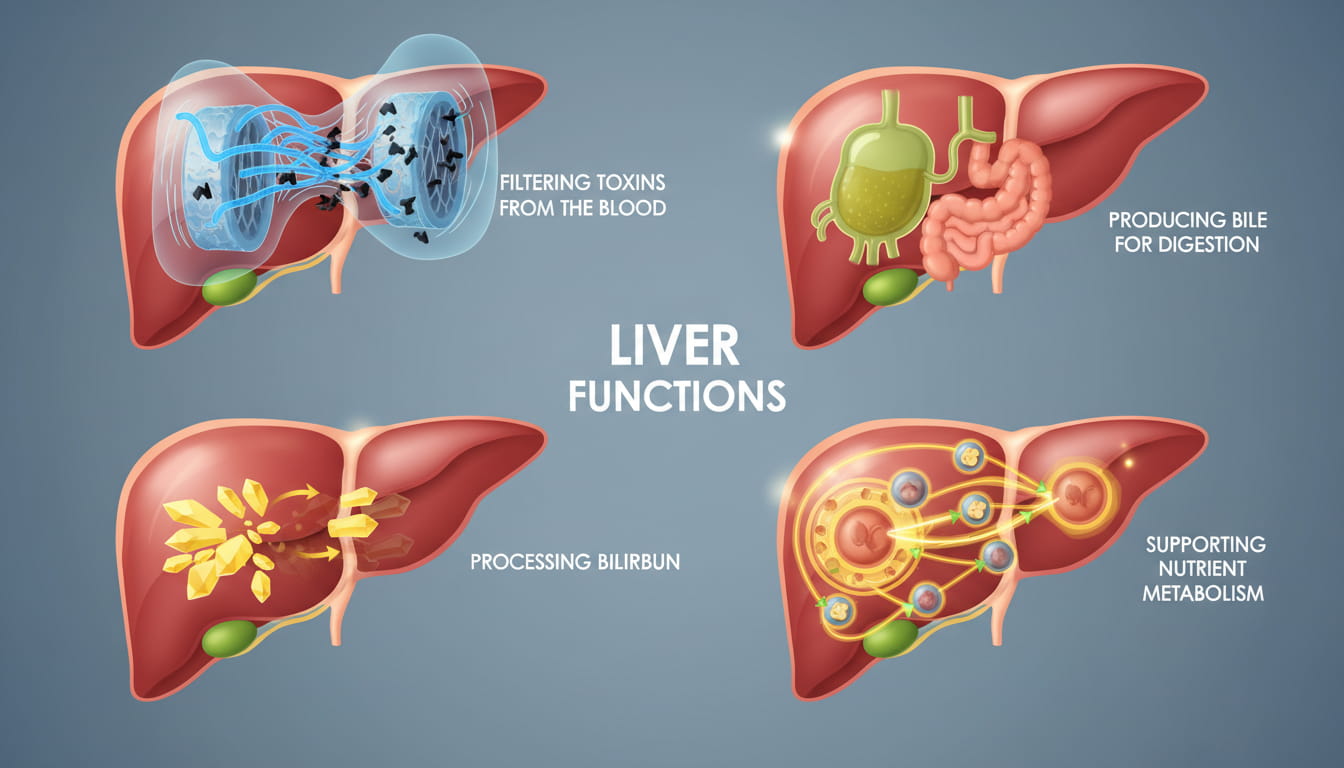
How the Liver Affects Urine and Stool Color
The liver performs several essential functions that influence digestion and waste removal. These functions include:
- Filtering toxins from the blood
- Producing bile for digestion
- Processing bilirubin
- Supporting nutrient metabolism
Bile produced by the liver travels through bile ducts into the digestive tract. This bile gives stool its normal brown color. When bile flow is interrupted, stool may appear pale or gray. Meanwhile, excess bilirubin circulating in the blood can cause urine to appear darker.
Because of this connection, changes in urine and stool color often point to liver or bile duct disturbances.
Why Urine Becomes Dark
Dark urine related to liver conditions usually results from bilirubin buildup. When bilirubin is not properly processed or transported, it may enter the bloodstream and eventually be filtered by the kidneys. This causes urine to appear darker than usual.
Dark urine caused by bilirubin often appears:
- Amber
- Tea-colored
- Dark yellow or brown
Unlike dehydration-related urine changes, liver-related dark urine may persist even when hydration levels are normal.
Why Stool Becomes Pale or Clay-Colored
Normal stool color comes from bile pigments produced by the liver. If bile does not reach the digestive tract, stool may appear:
- Pale
- Clay-colored
- Grayish
- Unusually light
This change occurs because bile pigments that normally darken stool are absent. Pale stool is often associated with bile flow disruption, which may occur in certain liver or gallbladder conditions.
Other Symptoms That May Occur With Liver Stress
Dark urine and pale stool often appear alongside other symptoms. These symptoms may include:
Yellow Skin or Eyes
This condition is known as jaundice and occurs when bilirubin accumulates in the bloodstream.
Fatigue
Persistent tiredness may occur when liver function is impaired.
Loss of Appetite
Changes in digestion may reduce hunger.
Abdominal Discomfort
Some people experience discomfort in the upper right abdomen where the liver is located.
Itchy Skin
Bilirubin accumulation may irritate the skin.
When several of these symptoms occur together, medical evaluation is recommended.
Conditions That Can Affect Bile Flow
Several digestive conditions can interfere with bile movement or liver function. Possible causes include:
Viral Liver Inflammation
Certain viruses may infect liver cells and cause inflammation.
Fatty Liver Disease
Excess fat accumulation in liver cells can disrupt normal liver processes.
Bile Duct Obstruction
Blockages in the bile ducts may prevent bile from reaching the intestines.
Gallbladder Disorders
The gallbladder stores bile and helps release it during digestion.
Liver Scarring
Long-term liver damage can affect bile production and flow.
Because many conditions share similar symptoms, proper evaluation is necessary.
When Changes in Urine and Stool Require Medical Attention
Occasional color changes may occur due to diet or hydration. However, persistent symptoms should not be ignored. People should consider medical evaluation if they notice:
- Dark urine lasting several days
- Pale or clay-colored stool
- Yellowing of the skin or eyes
- Persistent fatigue
- Abdominal discomfort
- Unexplained digestive changes
These symptoms may signal an issue with liver function or bile flow. Residents of Cypress, TX who notice these warning signs should consider evaluation by a digestive specialist.

How Doctors Evaluate Liver Warning Signs
Doctors typically begin by discussing symptoms and medical history. They may ask about:
- Recent illnesses
- Travel history
- Alcohol consumption
- Digestive symptoms
- Family history of liver conditions
A physical examination may focus on the abdomen and liver area. Doctors may also observe the eyes and skin for signs of jaundice. Clinics serving Cypress, TX use advanced diagnostic tools to evaluate liver function and determine the cause of symptoms.
Liver Health Awareness in Cypress, TX
Maintaining liver health is essential for overall digestive wellness. People in Cypress, TX who notice unusual symptoms such as dark urine, pale stool, fatigue, or jaundice should consider evaluation by a digestive specialist.
Clinics such as GastroDoxs provide digestive health assessments designed to identify liver-related symptoms and support early detection of liver conditions. Early awareness helps protect long-term liver health.
Key Takeaways
Dark urine and pale stool can be important warning signs of liver or bile flow problems. Key points include:
- Bilirubin affects urine and stool color
- Liver or bile duct issues may disrupt bilirubin processing
- Dark urine and pale stool often occur together
- Additional symptoms may include fatigue and jaundice
- Persistent symptoms should be evaluated by a specialist
Recognizing these warning signs early allows individuals to seek evaluation before more serious liver problems develop.