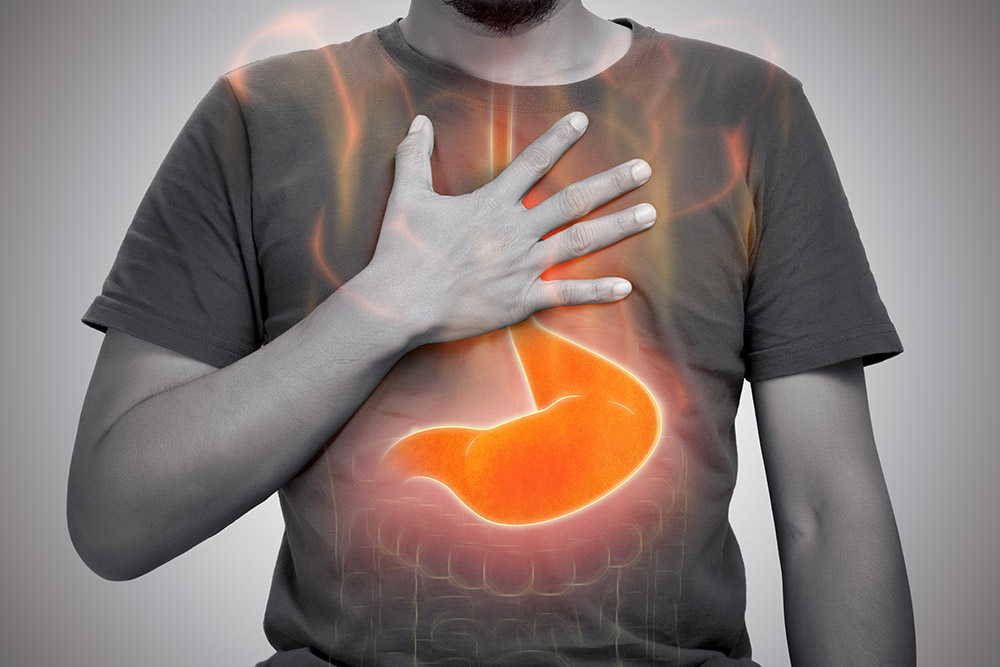








Food poisoning is one of the most common illnesses in the U.S., and it can occur when people consume food or beverages contaminated with harmful bacteria, viruses, parasites, or toxins. While the symptoms of food poisoning may be similar, there are several factors that can affect how quickly and severely it presents. For residents of Jersey Village, TX, it’s essential to be aware of the symptoms and understand how they differ in various cases to ensure proper diagnosis and treatment.
This comprehensive guide will explore the most common symptoms of food poisoning, how they differ based on the type of contamination, and when it’s time to seek medical help in Jersey Village, TX.
Food poisoning occurs when someone ingests contaminated food or drink. Pathogens like bacteria, viruses, parasites, and toxins from spoiled or improperly handled food can lead to foodborne illness. The symptoms of food poisoning can range from mild stomach upset to severe dehydration and even life-threatening complications in some cases.
In Jersey Village, TX, food poisoning may occur due to improper food handling at local eateries or contamination in raw foods such as meat, poultry, seafood, eggs, and produce. These pathogens often enter the food supply chain during processing, preparation, or handling.
While food poisoning symptoms generally affect the gastrointestinal (GI) system, they can vary depending on the type of pathogen that caused the infection. The severity and timeline of symptoms also depend on various factors, including the individual's age, health, and the contamination level. Let’s take a look at the most common symptoms of food poisoning and how they differ.
Nausea refers to the sensation of feeling queasy or unsettled in the stomach, while vomiting is the act of expelling stomach contents. These symptoms are typically among the first signs of food poisoning and are common with several pathogens, including norovirus, Salmonella, and E. coli.
If vomiting is persistent or if you cannot keep fluids down, it can lead to dehydration, especially for young children or elderly individuals in Jersey Village, TX. Medical attention should be sought immediately.

Abdominal cramps are often a sign that your stomach or intestines are irritated or inflamed. This is common in food poisoning cases due to the presence of harmful bacteria, viruses, or toxins.
Severe or prolonged abdominal pain that doesn’t subside after a few hours may be indicative of more serious foodborne illnesses like E. coli or Salmonella. If you're in Jersey Village, TX, and your symptoms persist, it’s important to see a gastroenterologist for further evaluation.
Diarrhea is characterized by frequent, watery bowel movements. It is a hallmark symptom of food poisoning as the body attempts to expel harmful substances from the digestive system.
If diarrhea lasts for more than three days or if it’s accompanied by blood, fever, or dehydration, it’s important to consult with a medical professional. In Jersey Village, TX, gastroenterologists can provide guidance and testing to determine the cause of your symptoms.
A fever is a rise in body temperature, often indicating that the body is fighting off an infection. Chills are the shivering or shaking that can accompany fever as the body tries to regulate its temperature.
A fever over 101.5°F, particularly when combined with dehydration or other severe symptoms, should prompt you to seek medical care. For those living in Jersey Village, TX, it’s advisable to consult with a healthcare provider, especially if the fever lasts for more than 48 hours.

Headaches and fatigue are common secondary symptoms of food poisoning, often caused by dehydration, fever, or the body's immune response to infection.
If you feel extremely fatigued or have a persistent headache that doesn’t improve with hydration and rest, it's important to contact a healthcare provider. Severe symptoms, especially if they last for days, may indicate a more serious infection.
Dehydration occurs when the body loses more fluids than it takes in, and it’s a serious risk when you’re suffering from vomiting and diarrhea.
Signs of dehydration include dry mouth, dark-colored urine, dizziness, and a decrease in urination. If you experience these symptoms, it’s important to seek medical treatment promptly to avoid serious health complications.
Dr. Bharat Pothuri is a Board-Certified Gastroenterologist and Hepatologist. With extensive experience in digestive health, he specializes in advanced endoscopic procedures, chronic GI disorder management, and preventive care. Dr. Pothuri is dedicated to providing expert, patient-focused insights to help improve gut health and overall well-being.
Common symptoms include nausea, vomiting, diarrhea, abdominal cramps, fever, chills, headache, fatigue, and dehydration. These often appear within hours to days after consuming contaminated food.
Symptoms can begin as early as 1–6 hours after eating contaminated food but may take up to 6 days, depending on the type of pathogen involved.
Symptoms vary because different bacteria, viruses, and toxins affect the body uniquely and severity also depends on age, health status, and level of contamination.
Yes. Vomiting and diarrhea can lead to fluid loss and dehydration, which is especially risky for children, older adults, and individuals with chronic conditions.
Seek care if symptoms are severe or persistent, including high fever, bloody stools, prolonged vomiting, dehydration, or symptoms lasting more than three days.
Yes. High‑risk foods include undercooked meat, poultry, seafood, raw eggs, unpasteurized dairy, and contaminated produce if not handled or cooked properly.
Diagnosis may involve a physical exam, reviewing your symptoms, and lab tests such as stool cultures to identify the specific pathogen causing the illness.
Yes. Prevent it by washing hands, cooking foods to safe temperatures, storing foods properly, avoiding cross‑contamination, and eating from trustworthy establishments.
Most cases resolve within 1–3 days with rest and hydration, but severe cases can last longer and may require medical treatment.
Food poisoning can occur year‑round, but hot weather in summer increases bacterial growth, making cases more common without proper food safety and storage.