
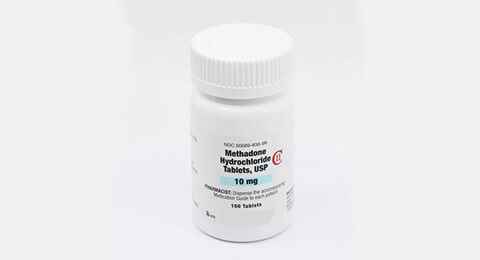








| Brand Name | Methadose, Dolophine |
| Generic Name | Methadone |
| Drug Class | Mu-Opioid Receptor Agonist |
| Availability | Prescription |
| Manufacturer | Various (Generic) |
| Indications | Opioid Use Disorder (OUD) treatment |
| Type | Tablet, Oral Solution |
| Doses | 20-30 mg orally daily |
| Route | Oral |
| Side Effects | Sedation, respiratory depression, QT prolongation, constipation |
| Interactions | Prolongs QT interval; interacts with CYP3A4 modulators |
| Overdose | Long QT, respiratory depression. |
| Missed Dose | Take ASAP. |
| Contraindications | Respiratory depression, acute asthma, paralytic ileus. |
| Alternatives | Buprenorphine, Naltrexone, Suboxone |
| Co-Pay Assistance Program | Available Rx |
| Patient Assistance Program | Available |
Dr. Bharat Pothuri is a Board-Certified Gastroenterologist and Hepatologist. With extensive experience in digestive health, he specializes in advanced endoscopic procedures, chronic GI disorder management, and preventive care. Dr. Pothuri is dedicated to providing expert, patient-focused insights to help improve gut health and overall well-being.
Methadone is used to treat opioid addiction and to manage pain in patients with severe pain.
Methadone works by changing the way the brain and nervous system respond to pain and by reducing withdrawal symptoms in people addicted to opioids.
Common side effects include drowsiness, constipation, sweating, and nausea.
Yes, Methadone can be taken with or without food, but it is usually taken as a liquid or tablet.
Methadone can be used during pregnancy but should be done under strict medical supervision, as it may harm the fetus. Consult your doctor before use.
If you miss a dose, take it as soon as you remember unless it�s close to your next dose. Do not take two doses at once.
Methadone typically takes several hours to provide relief from pain or withdrawal symptoms.
Methadone can be used long-term for opioid addiction treatment and chronic pain management, but it requires careful monitoring to avoid dependence and overdose.
Yes, Methadone can interact with other medications, especially other central nervous system depressants, such as benzodiazepines and alcohol.
If you experience severe side effects, such as difficulty breathing or severe drowsiness, seek immediate medical attention.
Related Conditions |
Related Blogs |
|---|---|