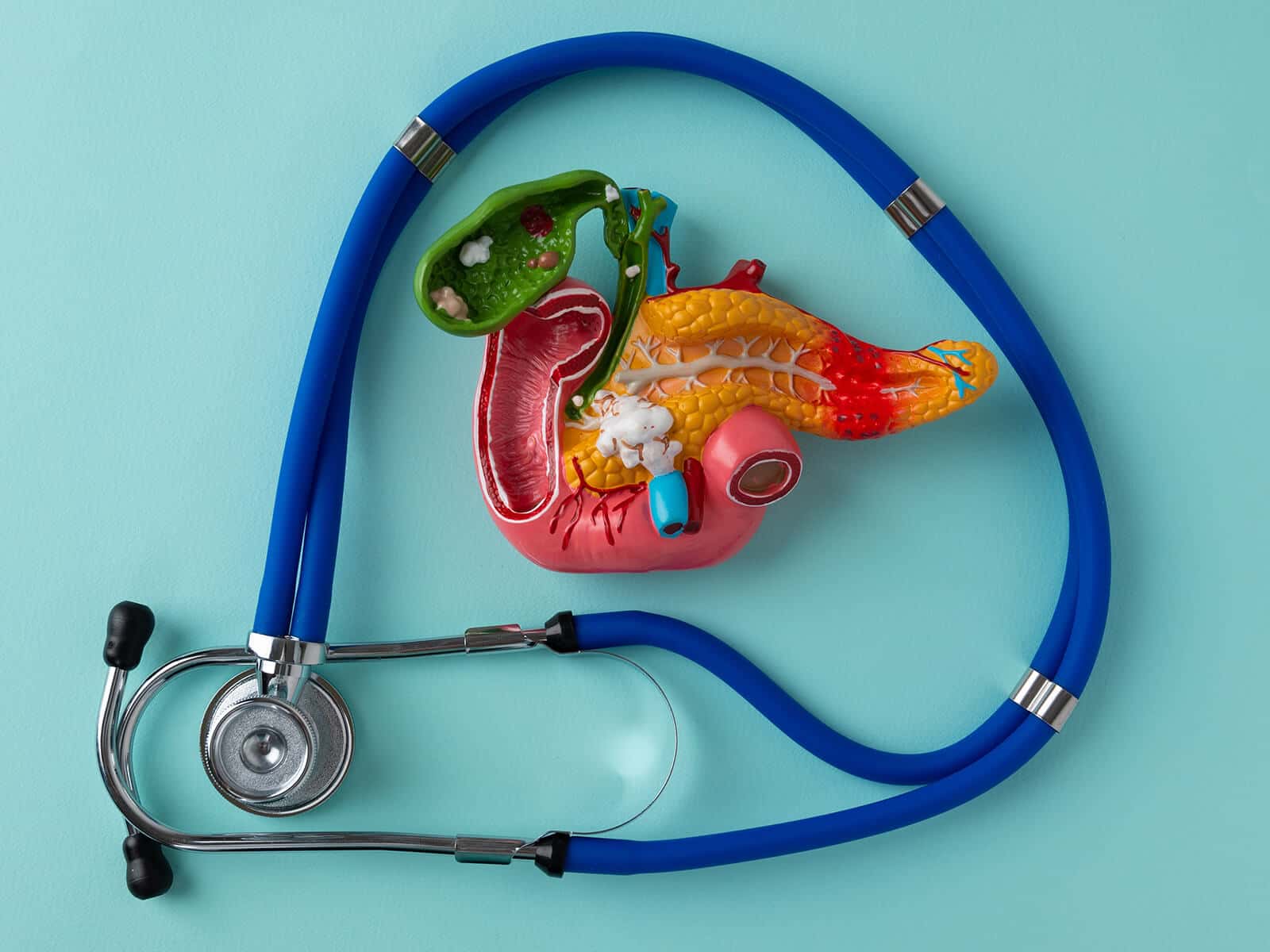








Exocrine pancreatic Insufficiency (EPI), or pancreatic insufficiency, is a condition that is caused when the pancreas fails to produce and or release adequate digestive enzymes. These enzymes play a critical role in the breakdown of fats, proteins and carbohydrates in order to have nutrients absorbed by your body.
The symptoms tend to manifest slowly. Look out for:
Pancreatic insufficiency may occur due to a number of reasons:
We integrate professional competence, effective communication and even patient-centric treatment strategies pancreatic insufficiency in GastroDoxs of Katy. It starts with rapid, precise diagnostics, and continues to personalized enzyme therapy and follow-up and our staff is determined to make you ingest the important nutrients and rejuvenate. You should not hesitate to make the appointment now and to take the first step to better digestion and a permanent relief.
We've successfully treated more than 1.5K patients, helping individuals improve their digestive health and overall well-being through expert, personalized care.
With over 20 years of experience, GastroDoxs has been a trusted provider of gastroenterology care, focusing on delivering the best outcomes for patients

Dr. Bharat Pothuri is a Board-Certified Gastroenterologist and Hepatologist. With extensive experience in digestive health, he specializes in advanced endoscopic procedures, chronic GI disorder management, and preventive care. Dr. Pothuri is dedicated to providing expert, patient-focused insights to help improve gut health and overall well-being.
The diagnosis of pancreatic insufficiency is performed with the help of stool tests (fecal elastase), blood tests (to rule out the presence of nutrient deficiencies) and radiographic measurements (CT/ MRI). A direct pancreatic functional test can also be done in a few instances.
This is treated with pancreatic enzyme replacement therapy (PERT) with every meal, dietary changes (low-fat, high-protein diet) along with supplementation of fat-soluble vitamins A, D, E, and K.
Chronic pancreatitis is the most frequent one. The other causes are cystic fibrosis, pancreatic cancer or surgery, blockage of the pancreatic ducts, and some autoimmune diseases.
The symptoms in the beginning are usually bloating, gas, and greasy/ foul smelling stools, which are signs of inefficient fat digestion and malabsorption.
The enzyme drugs are capsules of enzymes (lipase, protease, amylase) of the digestive system. They are served with food to assist into the breakdown of fats, proteins and even carbohydrates.
Insufficiency of the pancreas is an incurable disease, but the symptoms are treatable with appropriate enzyme therapy and nutrition, which enables most patients to live well despite the disease.
In most cases, yes. The doses of enzymes are changed over the course of time depending on the weight, the diet, and the alleviation of symptoms, although a lifetime treatment is generally needed.
Yes. Exocrine pancreatic insufficiency may develop in children, more so in children with cystic fibrosis who usually require enzyme therapy and nutritional supervision.
Pancreatic insufficiency patients can be expected to live a normal life with proper treatment and follow-ups.
The side effects are limited and they are mild gastrointestinal cramps in case of excess dosage of the enzymes. These symptoms are normally mitigated by varying the dosage.