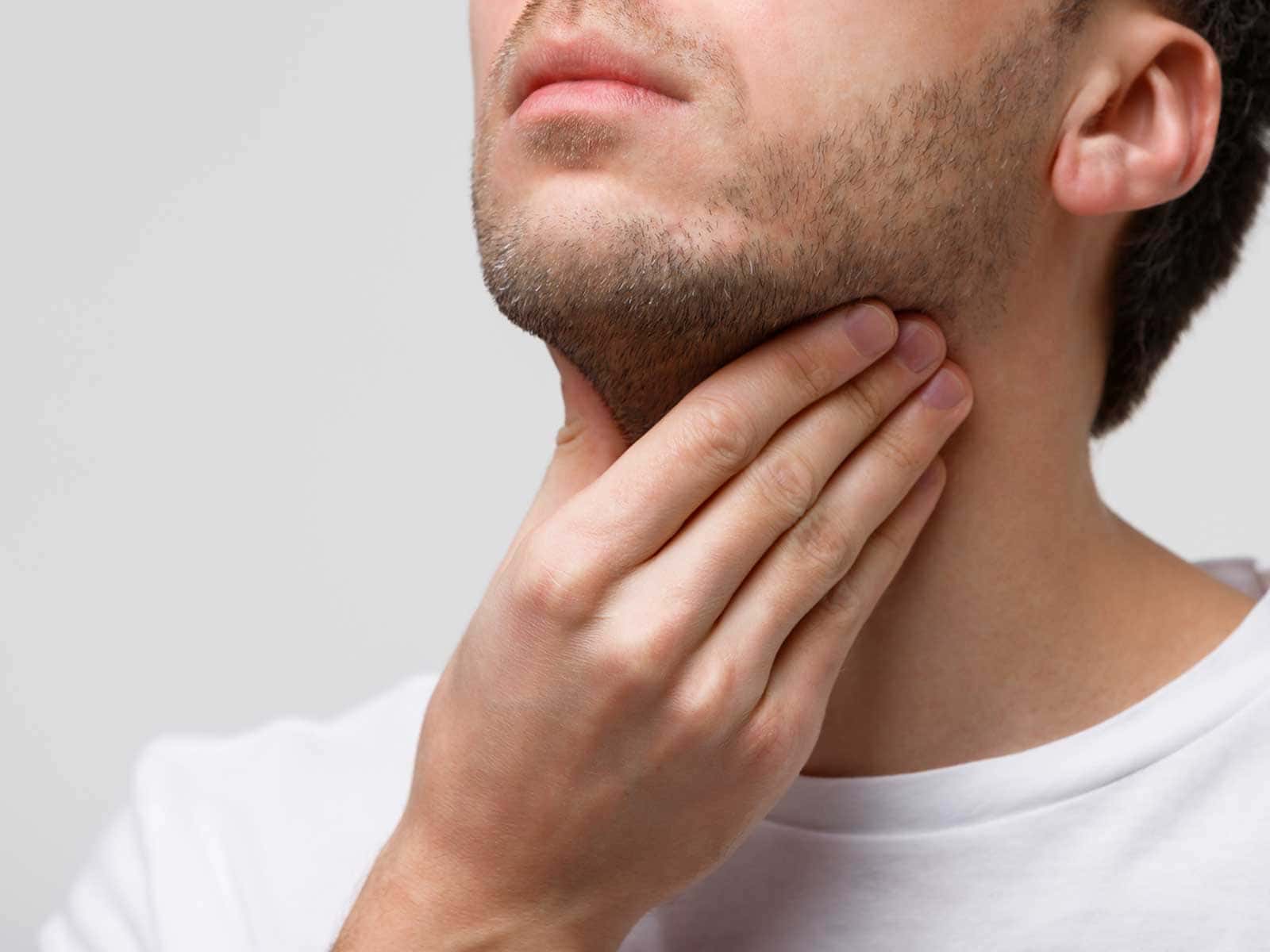








Bad swallow Odynophagia is painful swallowing. It arises when one swallows liquids, soft food or solids with sharp, burning or tight pain at the throat or chest. The pain can begin abruptly or accumulate over an extended period of time and either mild or severe.
Individuals that have odynophagia usually complain of:
Odynophagia may be the result of a number of trifling to severe problems:
In case the swallowing is painful or progressing to be painful, then do not wait. Experienced staff of GastroDoxs in Katy was designed to make you feel better. All you have to do is call us (your phone number) or come visit us here to discuss your visit with a trusted specialist. The answers, care, and support that you will require to resume comfortable pain-free swallowing will be ours.
We've successfully treated more than 1.5K patients, helping individuals improve their digestive health and overall well-being through expert, personalized care.
With over 20 years of experience, GastroDoxs has been a trusted provider of gastroenterology care, focusing on delivering the best outcomes for patients

Dr. Bharat Pothuri is a Board-Certified Gastroenterologist and Hepatologist. With extensive experience in digestive health, he specializes in advanced endoscopic procedures, chronic GI disorder management, and preventive care. Dr. Pothuri is dedicated to providing expert, patient-focused insights to help improve gut health and overall well-being.
The medical approach of swallowing pain or discomfort is referred to as Odynophagia. It may produce pain that is sharp, burning or tight in the throat or chest and may be accompanied by liquids, soft or solid food.
Pain or discomfort during every swallow, a burning feeling in the throat or the chest, increasing pain when swallowing solid foods, a sore throat which dries and is sore, and annoying cough are common symptoms.
The causes of acute ones are frequently infections like strep throat or the flu, esophagus spasms, or throat irritation due to some medicine.
Severe cases of odynophagia can be associated with esophageal ulcers, severe cases of gastroesophageal reflux disease (GERD) or damage to tissue after radiation.
Unilateral pain may be a consequence of a local trauma or object lodges, infections of tonsils or salivary glands in one side of the throat.
Yes. Cold or flu as an upper respiratory infection may inflamate the throat and result in painful swallowing of liquids and solids particularly during exacerbations.
The therapy is based on the cause and could involve antacids or acid blockers, antibiotics or antiviral, pain reliever or throat gels, changes in the diet, endoscopy, or esophageal dilation.
Diagnosis is usually done through physical examination, medical history, endoscopy to view the esophagus and lab tests to determine infections or other predisposing factors.
When the pain does not give way after few days, gets progressively worse or makes it difficult to eat or drink, then you should go to see the doctor.
Gastroenterologist is able to identify the cause of your symptoms, prescribe correct medications, conduct diagnostic tests such as endoscopy and prescribe treatments to help ease the pain and avoid complications.