







1.9K Reviews    |    4.7 Star Rating    |    20+ years of experience    |    72k+ Patients Treated
Đau khi nuốt

Odynophagia

Here, we aim to find a solution to the issue of odynophagia painful swallowing at GastroDoxs in Katy and work to provide an individualized endoscopic assessment, dietary education, medication therapy, and a caring follow-up by an expert team to provide the local community with a quick pain relief method and help a patient resume eating healthy once more.

Call Us 832-632-4070 Schedule Now Click Here Text Us 832-632-4070 Learn More Click Here
Texas Medical Board
Harris County Medical Society
American College of Gastroenterology
American Society for Gastrointestinal Endoscopy
Memorial hermann
Houston Methodist leading Medicine
HCA Houston Healthcare
Bharat Pothuri
Symptoms

What is Odynophagia?

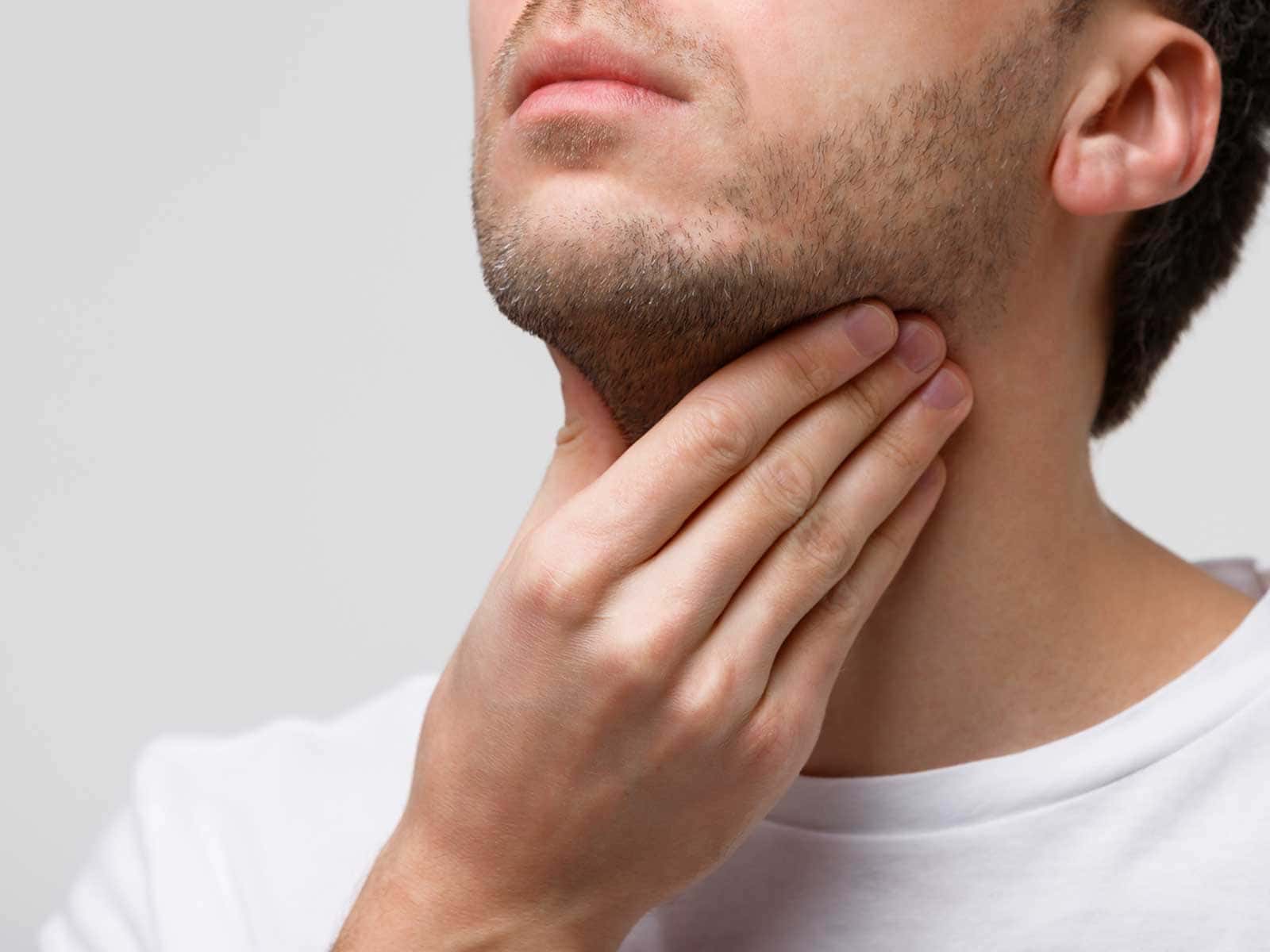
Bad swallow Odynophagia is painful swallowing. It arises when one swallows liquids, soft food or solids with sharp, burning or tight pain at the throat or chest. The pain can begin abruptly or accumulate over an extended period of time and either mild or severe.

Common Symptoms

Individuals that have odynophagia usually complain of:

  • Several pains during every swallow.
  • Pain in the Guarantees that the patient has an undergoing condition or disorder requiring immediate medical attention.
  • The pain worsens upon the consumption of solid food.
  • Dry, sore throat
  • Cough or sore throat, developers into dry cough.

Causes

Odynophagia may be the result of a number of trifling to severe problems:

  • Such infections include strep-throat, flu, or thrush.
  • Esophageal spasms
  • Exasperation due to some medicines.
  • Esophageal sore or developed gastroesophageal reflux disease (GERD).
  • Damage of tissues after radiation treatment.
  • Injury local in the throat or a trapped object.
  • Infection of tonsilla and salivary glands.
  • Exposure or inhaling irritants chemically.
Treatment

Treatment Options for Odynophagia in Katy, TX

The treatment of BPD incorporates medical, diet, and procedural practice:

  • Medications: Antacids or acid blockers (PPIs, H2 -blockers) to slow down the reflux; antibiotics and antiviral drugs to treat underlying infections; painkillers and throat gel to relieve symptoms.
  • Diet modifications: Soft or liquid food in the exacerbations; no spicy, acidic, or coarse food; small and frequent meals to reduce irritation of the throat.
  • Hydration and throat care: Take as much water as possible; get a humidifier to make the air humid; consider throat lozenges in order to make the throat less dry.
  • Swallowing techniques: Chew slowly, bite small, chew slowly; practice with speech swallow teacher on loss of swallowing coordination.
  • Endoscopy and diagnostics: Upper endoscopy to determine the presence of ulcers, strictures, or tissue injury; take samples of the helmets in case of a possible infection or tumor.
  • Esophageal dilation: This refers to mild stretching of the constrained esophagus parts, which enhance food intake and decrease discomfort.
  • Lifestyle adjustments: Prove the elevation of head of bed to avoid night time refluxes, stop smoking and limit alcohol; stress reduction to decrease esophageal spasms.
  • Follow-up care: Asian patients should be closely observed and reassessed with repetitive testing (imaging or labs) to make sure their progress is okay and to avoid complications.

Book an Appointment Today

In case the swallowing is painful or progressing to be painful, then do not wait. Experienced staff of GastroDoxs in Katy was designed to make you feel better. All you have to do is call us (your phone number) or come visit us here to discuss your visit with a trusted specialist. The answers, care, and support that you will require to resume comfortable pain-free swallowing will be ours.

1.5K

Patients Treated

We've successfully treated more than 1.5K patients, helping individuals improve their digestive health and overall well-being through expert, personalized care.

20Y

Years of Experience

With over 20 years of experience, GastroDoxs has been a trusted provider of gastroenterology care, focusing on delivering the best outcomes for patients

Bharat Pothuri

About the Author

Dr. Bharat Pothuri is a Board-Certified Gastroenterologist and Hepatologist. With extensive experience in digestive health, he specializes in advanced endoscopic procedures, chronic GI disorder management, and preventive care. Dr. Pothuri is dedicated to providing expert, patient-focused insights to help improve gut health and overall well-being.

Frequently Asked Questions

What is odynophagia?

The medical approach of swallowing pain or discomfort is referred to as Odynophagia. It may produce pain that is sharp, burning or tight in the throat or chest and may be accompanied by liquids, soft or solid food.

What are the symptoms of odynophagia?

Pain or discomfort during every swallow, a burning feeling in the throat or the chest, increasing pain when swallowing solid foods, a sore throat which dries and is sore, and annoying cough are common symptoms.

What causes acute odynophagia?

The causes of acute ones are frequently infections like strep throat or the flu, esophagus spasms, or throat irritation due to some medicine.

What causes severe odynophagia?

Severe cases of odynophagia can be associated with esophageal ulcers, severe cases of gastroesophageal reflux disease (GERD) or damage to tissue after radiation.

What causes pain on one side when swallowing?

Unilateral pain may be a consequence of a local trauma or object lodges, infections of tonsils or salivary glands in one side of the throat.

Can a cold or flu cause odynophagia?

Yes. Cold or flu as an upper respiratory infection may inflamate the throat and result in painful swallowing of liquids and solids particularly during exacerbations.

What are the treatment options for odynophagia?

The therapy is based on the cause and could involve antacids or acid blockers, antibiotics or antiviral, pain reliever or throat gels, changes in the diet, endoscopy, or esophageal dilation.

How is odynophagia diagnosed?

Diagnosis is usually done through physical examination, medical history, endoscopy to view the esophagus and lab tests to determine infections or other predisposing factors.

When should I see a doctor for swallowing pain?

When the pain does not give way after few days, gets progressively worse or makes it difficult to eat or drink, then you should go to see the doctor.

How can a gastroenterologist help with odynophagia?

Gastroenterologist is able to identify the cause of your symptoms, prescribe correct medications, conduct diagnostic tests such as endoscopy and prescribe treatments to help ease the pain and avoid complications.


Related Blogs
Abdominal Pain

7 Reasons Why A Colonoscopy Isn't As Bad As You Think

Read More
Abdominal Pain

Here's When to Seek Help for Diarrhea

Read More
Abdominal Pain

Diet and Lifestyle Changes to Ease IBS

Read More