







The bile duct is obstructed and this happens when the bile is not being able to flow out of the liver to the small intestine. Bile aids in digesting fats and elimination of waste. It may cause a blockage in the common bile duct, gallbladder or small bile channels. A blockage can result in one gallstone, and the other symptoms and strong pain are seen. Otherwise, it is a serious condition that may develop.
The symptoms of the blocked bile duct usually make sudden appearance. Watch for:
The bile ducts may be blocked by a wide variety of factors. Common causes include:
You have a duct of bile, and you must have the expert attention to your needs. Our board-certified Gastroenterologists use sophisticated imaging and advanced endoscopic techniques and formulate a worry-free treatment plan, including ERCP and stent placement, minimally invasive surgery, etc., to get your bile flowing to the correct direction, and to eliminate your symptoms at GastroDoxs, Katy. And no more excuses needed, consider that you have to book your own appointment and ensures that our caring staff undertakes you on your path toward a better digestive system and lasting relief.
We've successfully treated more than 1.5K patients, helping individuals improve their digestive health and overall well-being through expert, personalized care.
With over 20 years of experience, GastroDoxs has been a trusted provider of gastroenterology care, focusing on delivering the best outcomes for patients

Dr. Bharat Pothuri is a Board-Certified Gastroenterologist and Hepatologist. With extensive experience in digestive health, he specializes in advanced endoscopic procedures, chronic GI disorder management, and preventive care. Dr. Pothuri is dedicated to providing expert, patient-focused insights to help improve gut health and overall well-being.
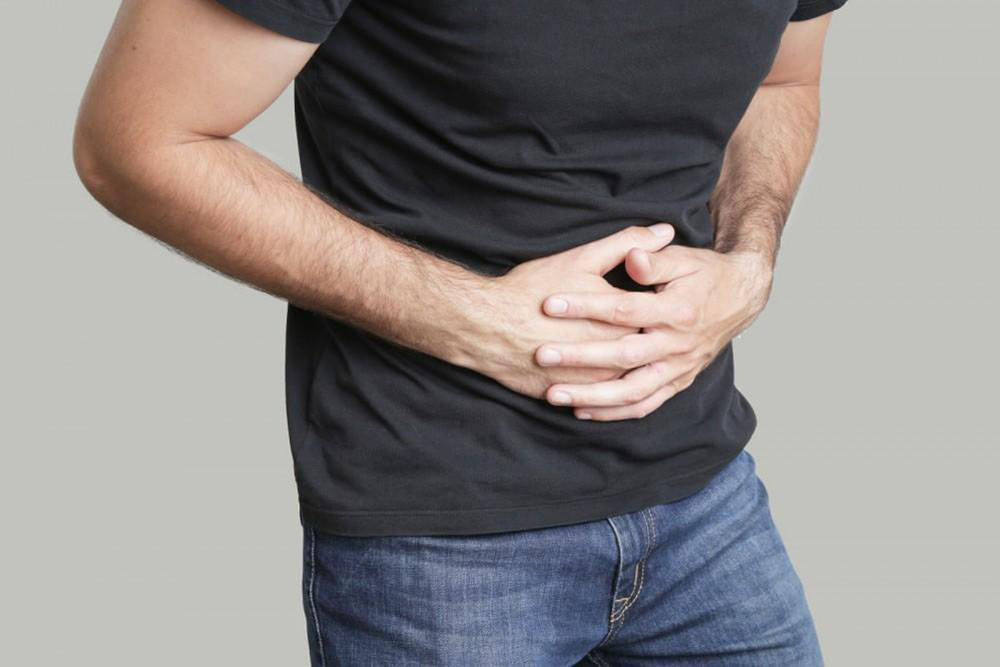
Patients can suddenly have a sharp effusive pained in the upper right abdomen that can extend to the back accompanied by nausea, vomiting, and yellowing of the skin or eyes (jaundice).
ICD-10 code 982.3 is mostly generally used, which is - Calculus of bile duct with obstruction. Depending on the results of the imaging and clinical discipline, the appropriate code will be verified by your physician.
Yes. Otherwise, a blocked bile duct may result into ongoing inflammation in the area, duct scarring (strictures), repeated infections and irreparable liver damage.
Obstruction may lead to severe complications like cholangitis (bile duct infection), pancreatitis, sepsis and in severe cases failure to the liver.
No. Although gallstones most frequently cause the blockage, bile duct strictures, bile duct and pancreatic tumors, cysts, infections, and surgical trauma are also causes.
The treatments are based on the cause and severity. Treatment methods may be an endoscopic stent placement or drainage, antibiotic treatment in case of an infection and a possibility of surgical intervention to remove the obstruction or reroute bile flow in case of need.
The risk factors can be frequent infections, chronic pain, fats malabsorption, weight loss, and the long-distance destruction of the liver and pancreas in case of the persistent obstruction.
You are to be immediately assessed when there is a yellowing of the skin or eyes, or extreme pain in the upper abdomen, or fever or chills or dark micturition or pale stools.
Yes. ERCP (Endoscopic Retrograde Cholangiopancreatography) allows a specialist to take out stones as well as open up any constricted ducts and insert stents without any operation.
No. Numerous patients are not sensitive to the use of endoscopic procedures (e.g., stenting or stone extraction) plus medications. Surgical intervention is considered the last option in case of insufficiency of less invasive procedures.