






The Hirschsprung Disease is a congenital anomaly where part of the large intestine is delivered devoid of the nerve cells (ganglion cells) that thrust the stool through the colon. Lacking such nerves, the bowel, which the patient has, will not be able to contract normally and the stool will accumulate, the colon will stretch out and without treatment; the patient may develop enterocolitis or perforation.
Symptoms often appear in the newborn period but can sometimes present later in infancy or childhood. Key signs include:
Hirschsprung's Disease arises during fetal development when nerve cells fail to migrate into a portion of the colon. Several factors can contribute:
We have many years of experience in the diagnosis and treatment of Hirschsprung Disease in a patient-centered approach at GastroDoxs in Katy. Through cutting edge imaging and biopsy-testing solutions, and high-level surgical intervention, and even follow-up therapy, we will strive to put your child (or adult patient) on the road to long-term relief and proper bowel performance. Don't wait-book your appointment now and thanks your family to the sure confident caring service they are going to have.
We've successfully treated more than 1.5K patients, helping individuals improve their digestive health and overall well-being through expert, personalized care.
With over 20 years of experience, GastroDoxs has been a trusted provider of gastroenterology care, focusing on delivering the best outcomes for patients

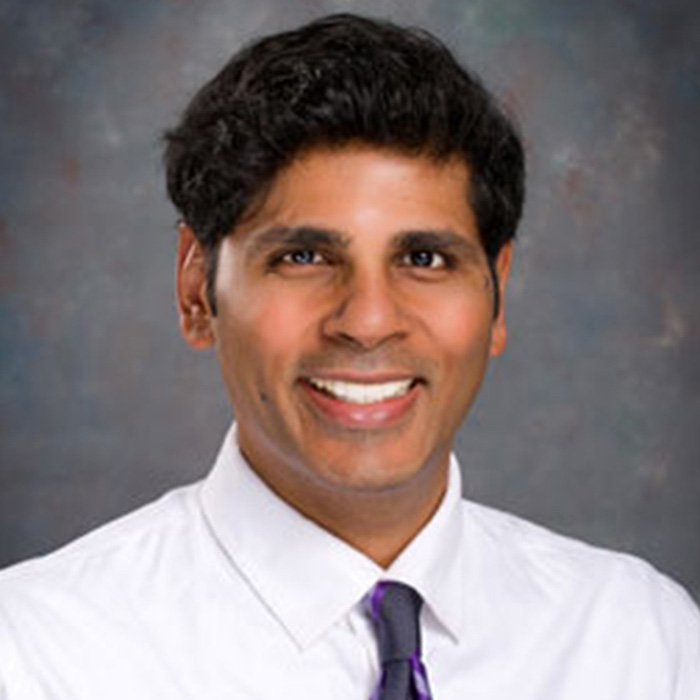
Dr. Bharat Pothuri is a Board-Certified Gastroenterologist and Hepatologist. With extensive experience in digestive health, he specializes in advanced endoscopic procedures, chronic GI disorder management, and preventive care. Dr. Pothuri is dedicated to providing expert, patient-focused insights to help improve gut health and overall well-being.
Diagnosis is usually done through a detailed physical examination, X-ray with contrast of the abdomen (contrast enema), and confirmed with a rectal biopsy to rule out the absence of nerve cells.
Other cases may show abnormalities, like a distended bowel, suggested by a prenatal ultrasound, but definitive diagnosis is made after birth with the help of imaging and biopsy.
They are of two major types: short-segment (only the distal colon is involved) and long-segment (a larger part of the colon is deprived of nerve cells). The degree of bowel involvement determines the type.
No. Although serious or chronic constipation in infants may be a red flag, most constipation is caused by other factors. A physician will test and examine if Hirschsprung is suspected.
The average hospital stay after surgery is 1-2 weeks. Full recovery may take months and includes gradual restoration to normal diets and activities.
No. The aganglionic (nerve-free) part can only be treated by surgical resection. Supportive care like diet management can help, but it is not a substitute for surgery.
It may cause serious complications such as bowel obstruction, severe infection, or enterocolitis (a life-threatening inflammatory disease of the colon).
No. The disorder does not resolve on its own. However, with correct surgery, most children can live normal lives with healthy bowel movements.
Not always. Temporary colostomy may be required in cases of severe inflammation or infection. Many patients proceed directly to the pull-through procedure without colostomy.
The GastroDoxs team in Katy provides specialized assessment, advanced surgical procedures, and follow-up care for children and adults with Hirschsprung Disease.