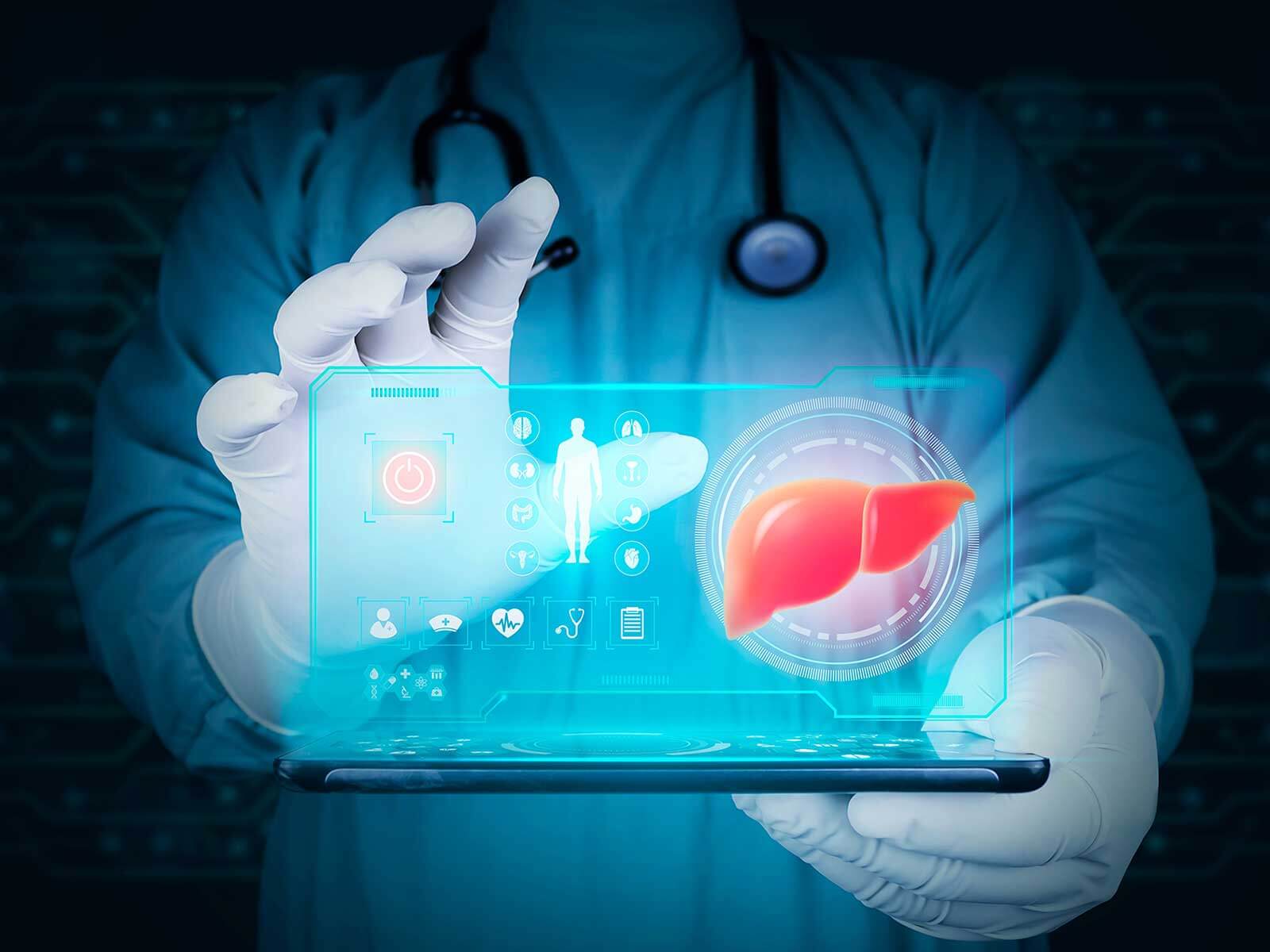








Fibrosis of the liver occurs when scar tissue accumulates in the liver tissue instead of normal cells making it difficult to have the liver do its work. When it is caught at an early age, something can be done to the damage and lifestyle changes could reduce the harm or even undo some parts of the damage.
In its early stages, hepatic fibrosis often has no obvious symptoms. As scarring progresses, you may notice:
Several factors can lead to liver scarring and development of hepatic fibrosis:
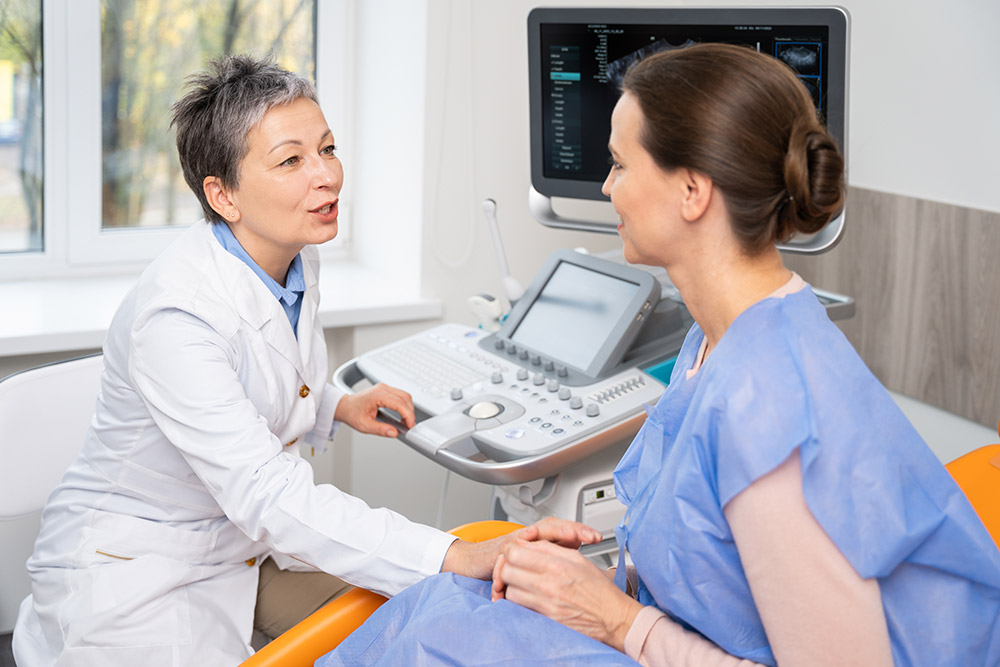
In Katy, GastroDoxs is a company that specializes in patient-based care of hepatic fibrosis and the general health of the liver. Our skilled staff is able to hydrate such as FibroScan and specific blood work in conjunction with your personalized treatment plan based on what is causing your liver scarring. Coaching around lifestyle and diet, antiviral or medical treatments, we will delay or even undo harm, and we will do it using simple language, and with even gentleness, all the way through. Are you prepared to have a healthy liver? Today book your appointment and leave us to ensure that you protect and normalize your liver functioning.
We've successfully treated more than 2.7K patients, helping individuals improve their digestive health and overall well-being through expert, personalized care.
With over 20 years of experience, GastroDoxs has been a trusted provider of gastroenterology care, focusing on delivering the best outcomes for patients

Dr. Bharat Pothuri is a Board-Certified Gastroenterologist and Hepatologist. With extensive experience in digestive health, he specializes in advanced endoscopic procedures, chronic GI disorder management, and preventive care. Dr. Pothuri is dedicated to providing expert, patient-focused insights to help improve gut health and overall well-being.
The most common causes of liver scarring include chronic infection with hepatitis B or C, excessive alcohol consumption, and non-alcoholic fatty liver disease (NAFLD).
Diagnosis is typically performed using blood tests to check liver enzymes, non-invasive tests such as FibroScan to assess liver stiffness, and occasionally a liver biopsy to confirm the extent of fibrosis.
Yes, hepatic fibrosis can be reversed or improved in its early stages with proper management of the underlying cause and appropriate lifestyle modifications.
A FibroScan measures the stiffness of the liver: lower scores indicate less scarring, while higher scores suggest more advanced fibrosis.
No. A liver biopsy is not always necessary if non-invasive tests such as blood markers and imaging provide a clear picture of the liver’s condition.
Follow a liver-friendly diet, avoid alcohol, manage viral hepatitis, maintain a healthy weight, and adhere to your doctor’s long-term care recommendations.
Focus on lean proteins, whole grains, fresh fruits and vegetables, and healthy fats. Limit salt, sugar, and fried or processed foods.
Yes. Chronic, untreated hepatitis B is one of the main causes of progressive liver scarring, which can lead to cirrhosis.
Follow-up visits are generally recommended every 3–6 months. However, the frequency may vary depending on the severity of fibrosis and other health conditions.
GastroDoxs in Katy provides experienced specialists in hepatic fibrosis who offer personalized advice and care to help maintain and improve your liver health.