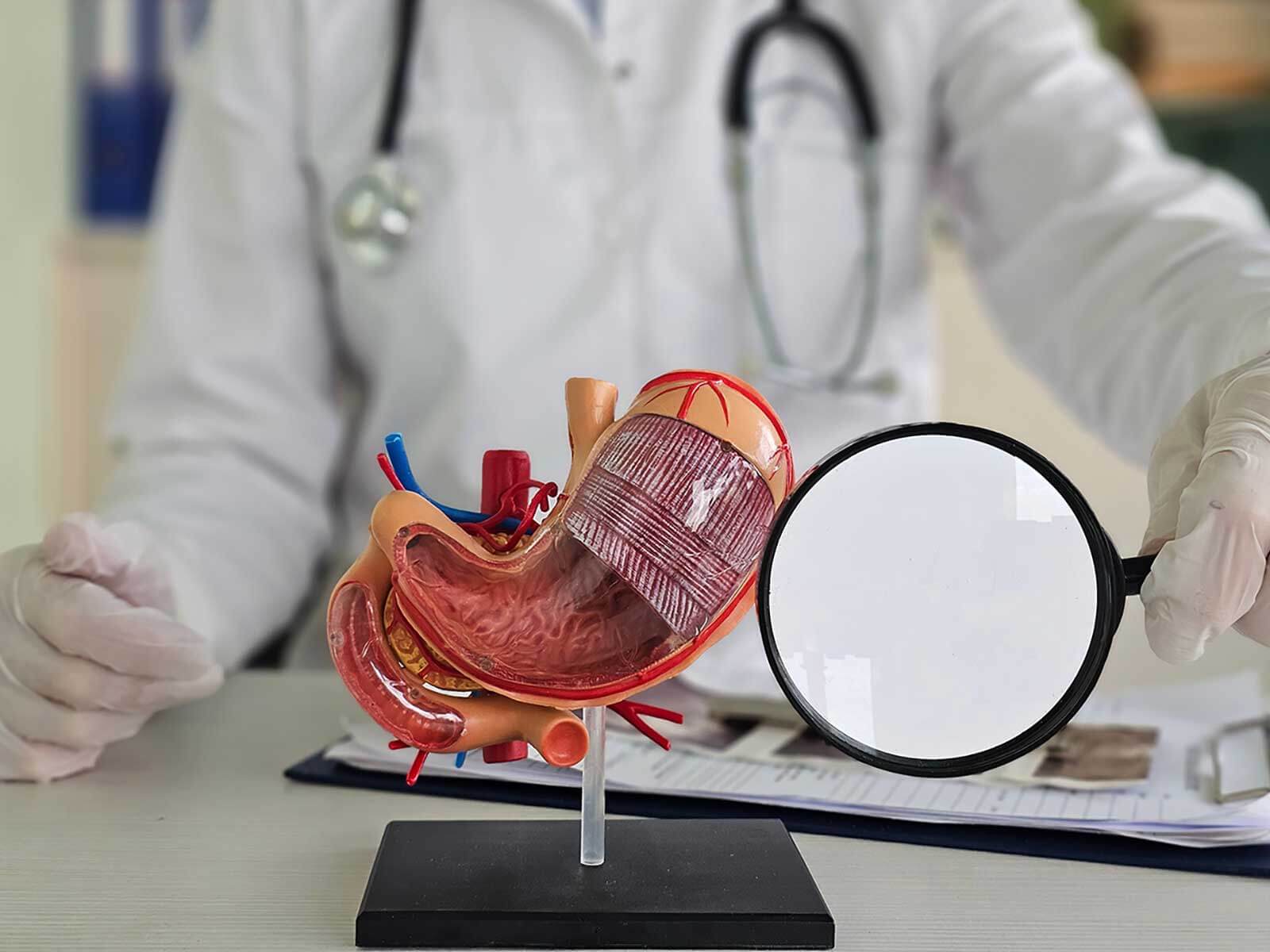








Gastric mucosa erosion injury is the gastric mucosa trauma without hematologic loss. These areas are surface spots, which fail to reach to the wall of the stomach. They do not bleed or produce severe pain as opposed to ulcers. It can be causing pain or even burning especially after eating.
The symptoms tend to be mild and may come up intermittently. You might notice:
The stomach lining can be irritated by number of factors which cause erosion:
GastroDoxs in Houston is concentrated on your safety and wellbeing and specializes in professional diagnostics and custom-made care. Our team of gastroenterologists implements the most up-to-date practices to diagnose the gastric erosion correctly and provide you with an individualized plan that will consider all your symptoms and at the same time, keep you wellness-dream and lifestyle-focused. Ready to find relief? You can book your appointment on the internet via our site or just give us a phone call and we will make an appointment that will guide you towards a healthier gut.
We've successfully treated more than 1.5K patients, helping individuals improve their digestive health and overall well-being through expert, personalized care.
With over 20 years of experience, GastroDoxs has been a trusted provider of gastroenterology care, focusing on delivering the best outcomes for patients

Dr. Bharat Pothuri is a Board-Certified Gastroenterologist and Hepatologist. With extensive experience in digestive health, he specializes in advanced endoscopic procedures, chronic GI disorder management, and preventive care. Dr. Pothuri is dedicated to providing expert, patient-focused insights to help improve gut health and overall well-being.
Among the mild stomach lining injuries that do not discharge blood includes gastric erosion without bleeding. It is frequently followed by mild irritation or burning.
Erosions are superficial and only affect the lining of the stomach, whereas ulcers are deeper cavity holes and enter into the stomach wall where they may more likely bleed and can be subjected to a lot of pain.
The ICD-10 code of gastric erosion that is not accompanied by bleeding is K29.70.
The most frequent ones are the long-term use of NSAIDs, like aspirin or ibuprofen, infection with H. pylori bacteria, high stress levels, and the use of spicy food, alcohol, or coffee.
This is normally diagnosed with a direct examination of the stomach lining using the endoscope up the upper end and further tests might be conducted to determine the existence of H. pylori infection.
The remedies can be acid-reducing drugs like PPIs or H2 blockers, stopping or substituting NSAIDs, dietary modifications, stress therapy, and antibiotics in case the infection with H. pylori is diagnosed.
Mild conditions can be cured without medication and stress relief, although it is important to seek medical advice prior to fully depending on lifestyle changes to recover.
In the majority of cases, setting the right treatment helps individuals feel relief and heals within 4 to 8 weeks.
Even after first taking care of yourself, you may see a gastroenterologist when the symptoms have not disappeared or even got better and bother your daily life.
Follow-up appointments can aid in full healing and identify possible complications in the initial stages and avoid its recurrence due to the constant control and the required changes.