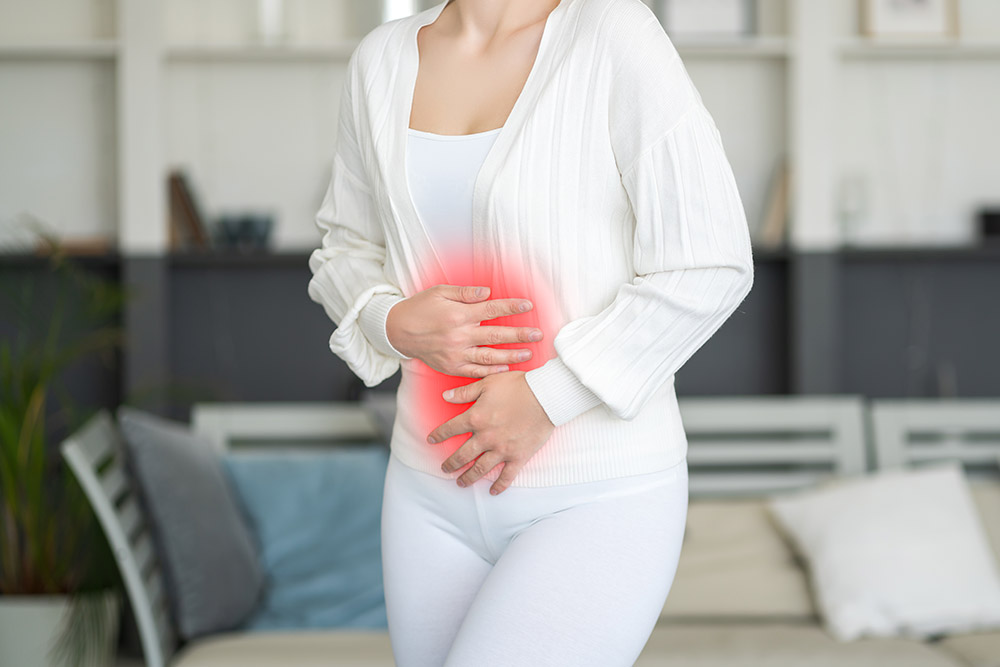








Entering the terms Eosinophilic Colitis, we find the following meaning: Eosinophilic Colitis is a rare intestinal disorder when the accumulation of eosinophils, a form of white blood cell, is found on the lining of the large intestine. This accumulation results in inflammation, which has symptoms of abdominal cramps, pain, and bowel habit alterations. Diagnosis is typically done through your medical history review, colonoscopy and cell biopsy.
Symptoms can vary but often include:
While the exact trigger isn't always known, common contributing factors are:
Having patient-centered care and experience in the sphere of eosinophilic colitis, GastroDoxs in Katy offers you all-encompassing diagnostics, specific treatment experiences, and continuous assistance to be restored with the comfort and allowed to live better than usual. Make your appointment and achieve a new beginning.
We've successfully treated more than 1K patients, helping individuals improve their digestive health and overall well-being through expert, personalized care.
With over 20 years of experience, GastroDoxs has been a trusted provider of gastroenterology care, focusing on delivering the best outcomes for patients

Dr. Bharat Pothuri is a Board-Certified Gastroenterologist and Hepatologist. With extensive experience in digestive health, he specializes in advanced endoscopic procedures, chronic GI disorder management, and preventive care. Dr. Pothuri is dedicated to providing expert, patient-focused insights to help improve gut health and overall well-being.
The ICD-10 code for Eosinophilic Colitis is K52.83. Always check with your insurance provider to ensure that claims are properly covered.
Common trigger foods include dairy, soy, eggs, wheat, and nuts. It is recommended to do an allergy test and elimination diet to identify your personal triggers.
Yes, although more common in adults, children can also be affected. Early evaluation and treatment can help prevent complications.
Diagnosis is usually based on medical history, blood tests, colonoscopy, and biopsy to confirm eosinophil infiltration in the colon lining.
Untreated inflammation may lead to chronic pain, scarring, colon constriction, malabsorption, and reduced quality of life.
Treatment often includes dietary changes, corticosteroids, and antihistamines. In severe cases, immunosuppressants may be required.
Many patients feel better within a few weeks of treatment. Full control may take several months depending on severity and adherence.
Access to a local specialist ensures faster treatment, personalized follow-up, and coordination with dietitians and labs.
Coverage varies by plan. Use code K52.83 when submitting claims and confirm benefits, co-pays, and preauthorization with your provider.
Stress can worsen symptoms by affecting gut motility and immune response. Stress-management strategies, including relaxation techniques and counseling, are recommended.