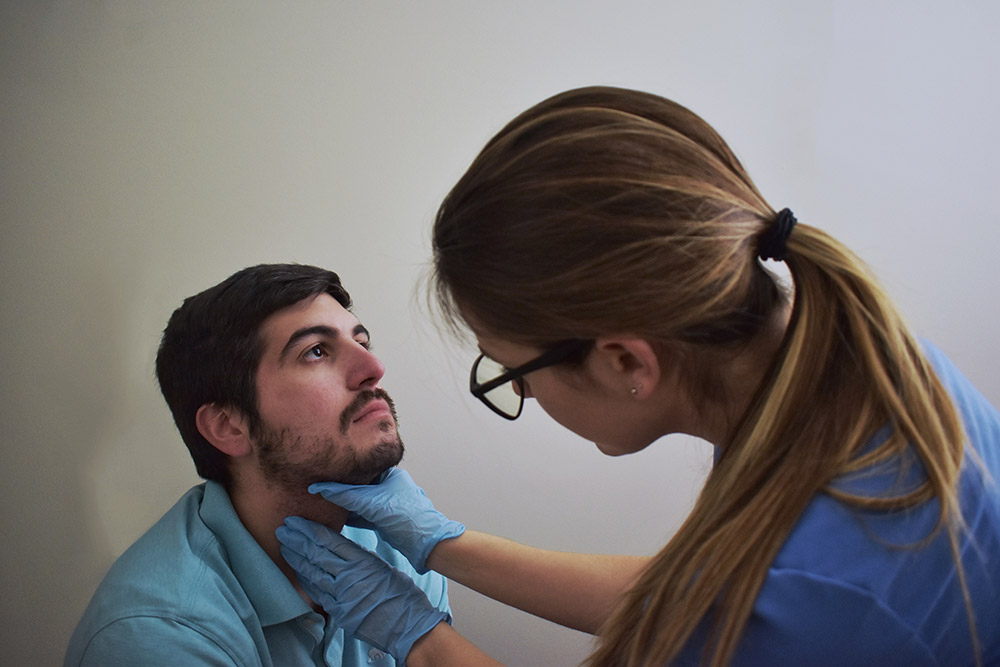








Difficulty swallowing Dysphagia, also known as difficulty in swallowing, happens when food, drinks or pills fail to travel easily through your mouth all the way to the stomach. You can have a feeling that something gets stuck in your throat or chest, you could be having pain or pressure in swallowing, can gag and choke at meals.
You may notice one or more of the following when you have trouble swallowing:
Swallowing problems can stem from a variety of underlying issues, including:
GastroDoxs offers professional diagnostics and treatment of dysphagia and other associated disorders through the patient-centered approach and all-embracing management of the swallowing disorder. Our philosophy lies in caring, individual attention to achieve positive outcome in getting back to safe and comfortable eating, attain lasting relief, and make your life much better. Make a reservation with GastroDoxs in Katy!
We've successfully treated more than 9K patients, helping individuals improve their digestive health and overall well-being through expert, personalized care.
With over 20 years of experience, GastroDoxs has been a trusted provider of gastroenterology care, focusing on delivering the best outcomes for patients

Dr. Bharat Pothuri is a Board-Certified Gastroenterologist and Hepatologist. With extensive experience in digestive health, he specializes in advanced endoscopic procedures, chronic GI disorder management, and preventive care. Dr. Pothuri is dedicated to providing expert, patient-focused insights to help improve gut health and overall well-being.
Dysphagia may be caused by acid reflux, throat tension due to stress, weak or disrupted swallowing muscles, narrowing of the esophagus from structural issues, or neurological conditions that affect nerve control.
If you experience pain during swallowing, frequent choking or coughing, a sensation of food sticking in your throat, or unexplained weight loss, you should visit a doctor immediately.
Yes. Chronic acid reflux can cause inflammation and scarring of the esophageal lining, leading to narrowing and making swallowing more difficult over time.
Treatment depends on the cause and may include dietary modifications, swallowing exercises with a speech-language specialist, acid-lowering or muscle-relaxing medications, esophageal dilation, or surgery in severe cases.
To ensure safe and effective feeding, infants may benefit from specialized feeding therapy, adaptive bottles or nipples, and the guidance of pediatric feeding specialists.
Yes. Anxiety can cause tightening of the throat muscles or a “globus sensation,” where one feels a lump in the throat even though no physical obstruction is present.
Diagnosis of impaired swallowing is common in nursing care. Safe feeding techniques, proper positioning, and close monitoring help ensure adequate nutrition and prevent aspiration.
You can make an appointment with our board-certified gastroenterologists at GastroDoxs in Katy, TX, for personalized evaluation and treatment of swallowing problems.
Thickened liquids and soft, moist foods are safest. Avoid hard or dry foods, eat smaller and more frequent meals, and follow a pureed or texture-modified diet as prescribed by a speech-language pathologist.
Yes. Cognitive decline can affect coordination and safe swallowing. Our diet modification strategies, caregiver training, and supervised feeding programs help minimize choking risks and maintain optimal nutrition.