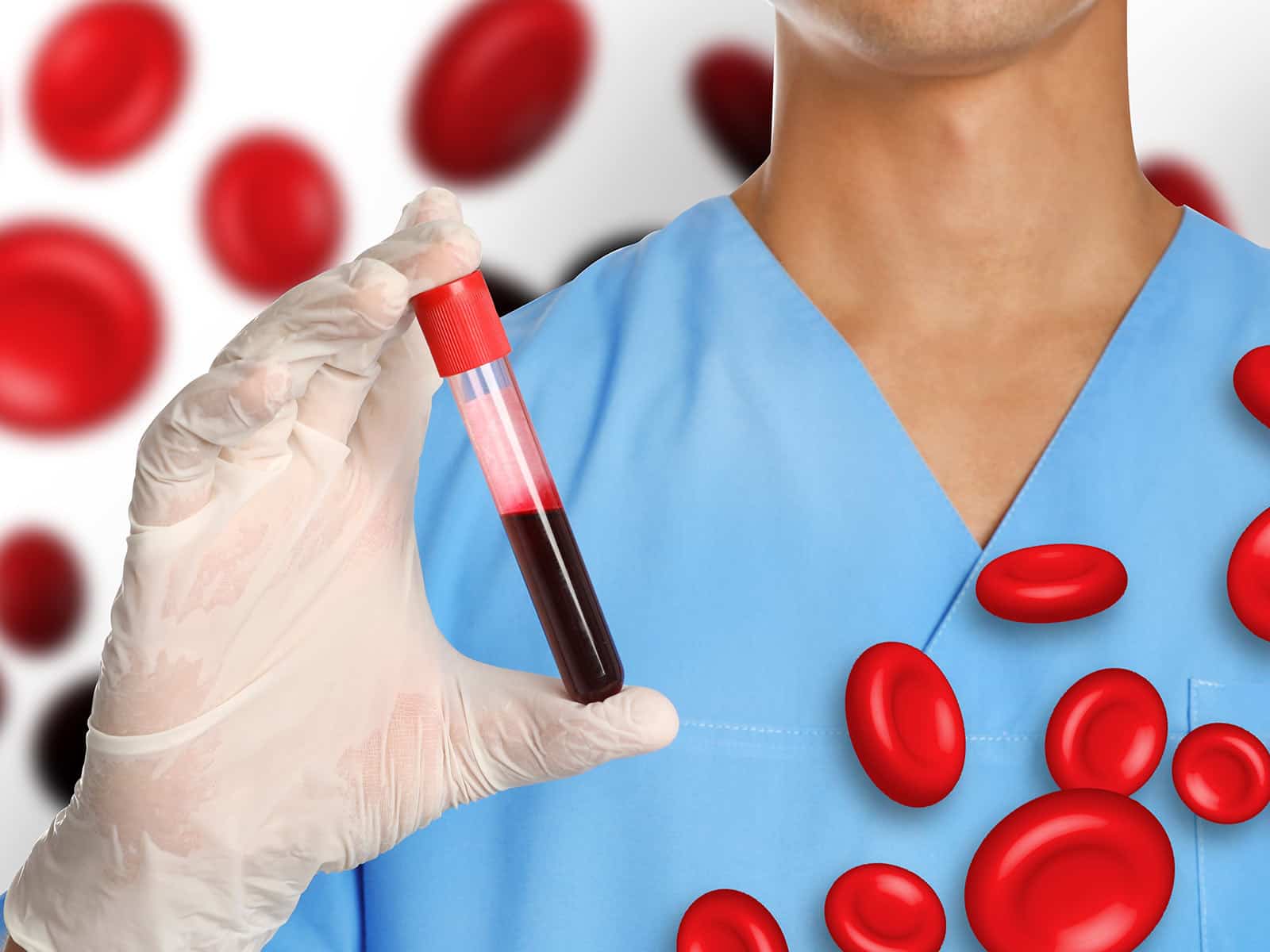








Acute blood loss anemia happens in a situation where the body loses a vast proportion of blood within a period. Such a sharp decrease in levels of red blood cells lowers the amount of oxygen taken to your organs and tissues. In GastroDoxs at Katy we will cure you within a short time and help to regain your health.
Symptoms often appear quickly. You may notice:
This type of anemia can result from many different situations. Common causes include:
Do not wait, but act in case you are having acute blood loss anemia symptoms, or in case you suspect that you are having some digestive bleeding. Call the GastroDoxs in Katy. We will strive to find and cut down the bleeding, replace your blood bank, and make you feel better than ever. Dial our office number, 832-476-1649, and now make your appointment online.
We've successfully treated more than 472 patients, helping individuals improve their digestive health and overall well-being through expert, personalized care.
With over 20 years of experience, GastroDoxs has been a trusted provider of gastroenterology care, focusing on delivering the best outcomes for patients

Dr. Bharat Pothuri is a Board-Certified Gastroenterologist and Hepatologist. With extensive experience in digestive health, he specializes in advanced endoscopic procedures, chronic GI disorder management, and preventive care. Dr. Pothuri is dedicated to providing expert, patient-focused insights to help improve gut health and overall well-being.
The ICD-10 code for acute blood loss anemia is D62.
Acute blood loss occurs suddenly, such as during surgery or after an accident, causing a rapid drop in red blood cells. Chronic blood loss happens gradually over time, often due to conditions like ulcers or long-term gastrointestinal bleeding.
Yes. Although rare, newborns can develop acute anemia in cases of severe bleeding from the umbilical stump or other sites immediately after birth.
The ICD-10 code D62 refers to anemia caused by recent or sudden blood loss, also known as acute posthemorrhagic anemia.
The ICD-9 code for acute posthemorrhagic anemia is 280.1. This code may still appear in older medical record systems.
Most patients begin to feel better within one to two days after interventions like IV fluids or blood transfusions. Full recovery depends on the underlying cause and may take longer.
Yes. Once bleeding is controlled, iron supplements—either oral or intravenous—are often prescribed to restore red blood cell levels.
Absolutely. Our team focuses on detecting and preventing gastrointestinal bleeding, including in the esophagus and anorectum, to treat or prevent anemia resulting from such bleeding.
No. Quizlet is a study tool created by students and professionals. It does not provide clinical care, treatment programs, or official medical information like ICD-10 codes.
If you experience symptoms such as dizziness, rapid heartbeat, fainting, or notice significant bleeding, you should promptly consult a gastroenterologist or another qualified specialist for evaluation and treatment.