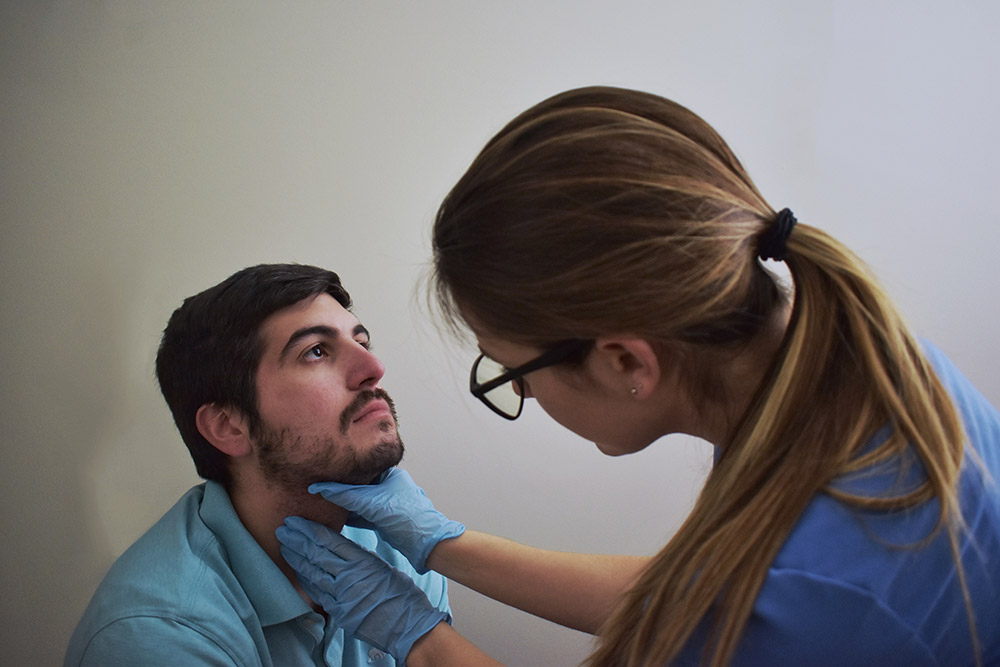








Thrush (oral candidiasis) is a frequent yeast infection in which an organism called Candida albicans causes the infection. It also targets the mouth and the throat whereby it spouses white or yellowish spots, which are tender or reddish. Although the thrush can be developed by any human being, the greatest risks are those that belong to the infants, the aged people, and those with weakened immunity.
The symptoms may be age related but may generally consist of:
Candida grows in which case it develops thrush. Common triggers include:
Reserve with our master Thrush in Jersey village and be at the comfort of your home in a very short time. In GastroDoxs, we integrate factual in-office analysis, age fitting antifungal impacts and perception motivation of babies and adults. Oral thrush is hovering so that he can escape with your visit today, and then take the initiative and move on to a healthy and symptom free mouth!
We've successfully treated more than 48K patients, helping individuals improve their digestive health and overall well-being through expert, personalized care.
With over 20 years of experience, GastroDoxs has been a trusted provider of gastroenterology care, focusing on delivering the best outcomes for patients
Dr. Bharat Pothuri is a Board-Certified Gastroenterologist and Hepatologist. With extensive experience in digestive health, he specializes in advanced endoscopic procedures, chronic GI disorder management, and preventive care. Dr. Pothuri is dedicated to providing expert, patient-focused insights to help improve gut health and overall well-being.
Oral thrush that has mild cases is treated within 7-14 days using the right antifungal treatment. Worse or resistant infections might involve a more treatment and follow-up.
Though the mild type of the disease can be treated with over-the-counter antifungal rinses or lozenges, it is preferable to make diagnosis and prescription-level medication, which will avoid a misdiagnosis and will necessitate prescription-level medications.
Direct contact like kissing and sharing common good can transmit Candida yeast and oral thrush is not very contagious, hence people with a weakened immune system can also transmit it.
The infants may contract Candida albicans on the birth canal of the mother or by changing the pH of the mouth with breast milk. The risk can be minimized by sterilization of bottles, pacifiers and good oral hygiene.
Infant Thrush is exhibited as creamy white or yellowish dots or patches on tongue, inner cheeks or roof of mouth. These spots cannot be scraped easily and they can cause the discomfort of feeding.
Other mild cases can be self-cured but untreated thrush can be progressing or spreading. The inclusion of the medical sector guarantees faster relief and elimination of complications.
The reduction of sugar, carbohydrates as refined form, and food that contains yeast can be used to control candida overgrowth. In healthy oral flora, probiotics and nutritious diet come in handy.
Most antifungal therapy is safe in breastfeeding. Reinfection can be prevented by combining mother and baby treatment at the same time and administration of topical creams or oral medicine which is also prescribed.
It recurs in cases where the causative agents are not treated such as the taking of antibiotics, diabetes and immune disorders. These are the risk factors which can be managed to reduce the chances of reoccurrence of thrush.
The healthcare provider uses ICD-10 code of oral thrush as B37.0 in order to amend the diagnosis and billing to the insurance company.