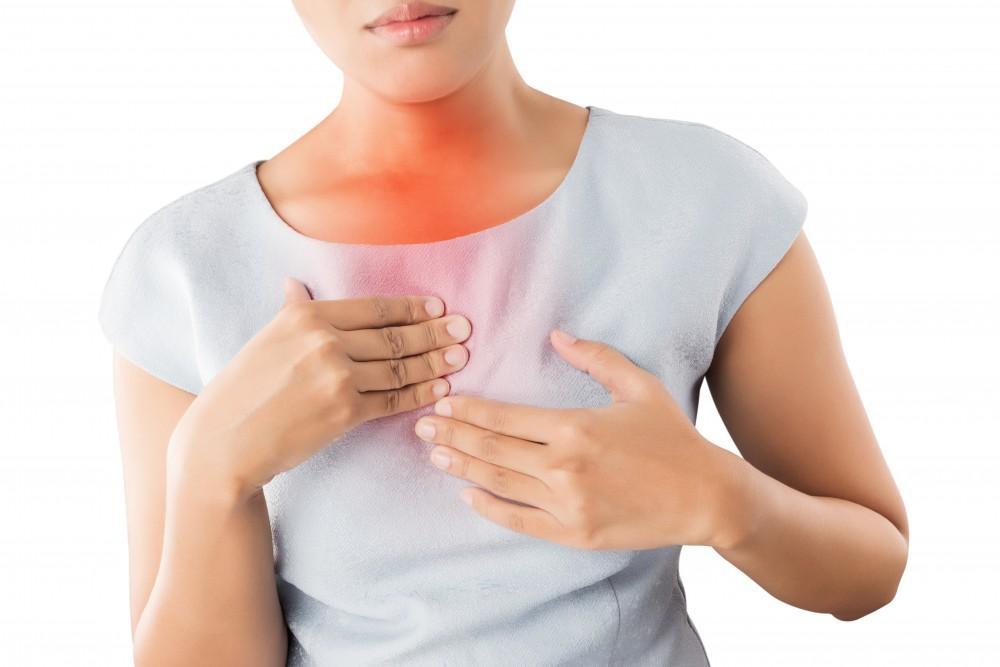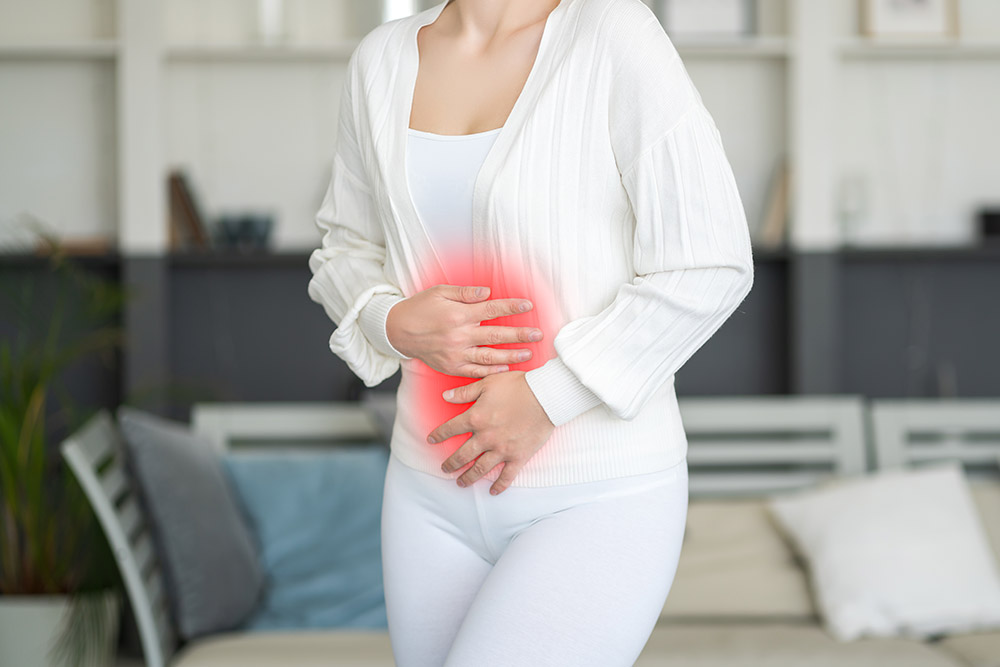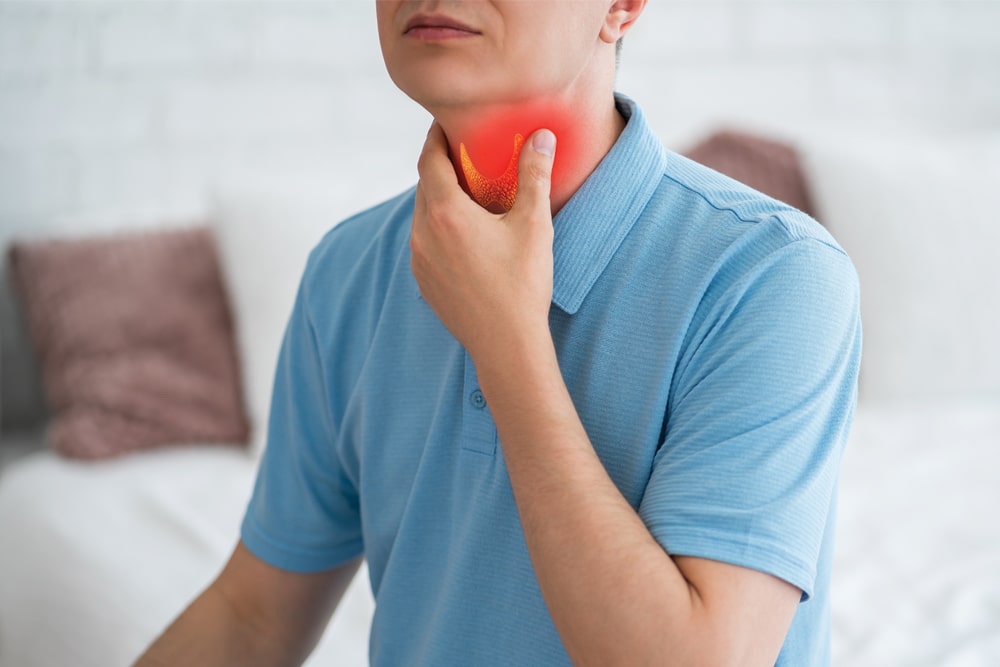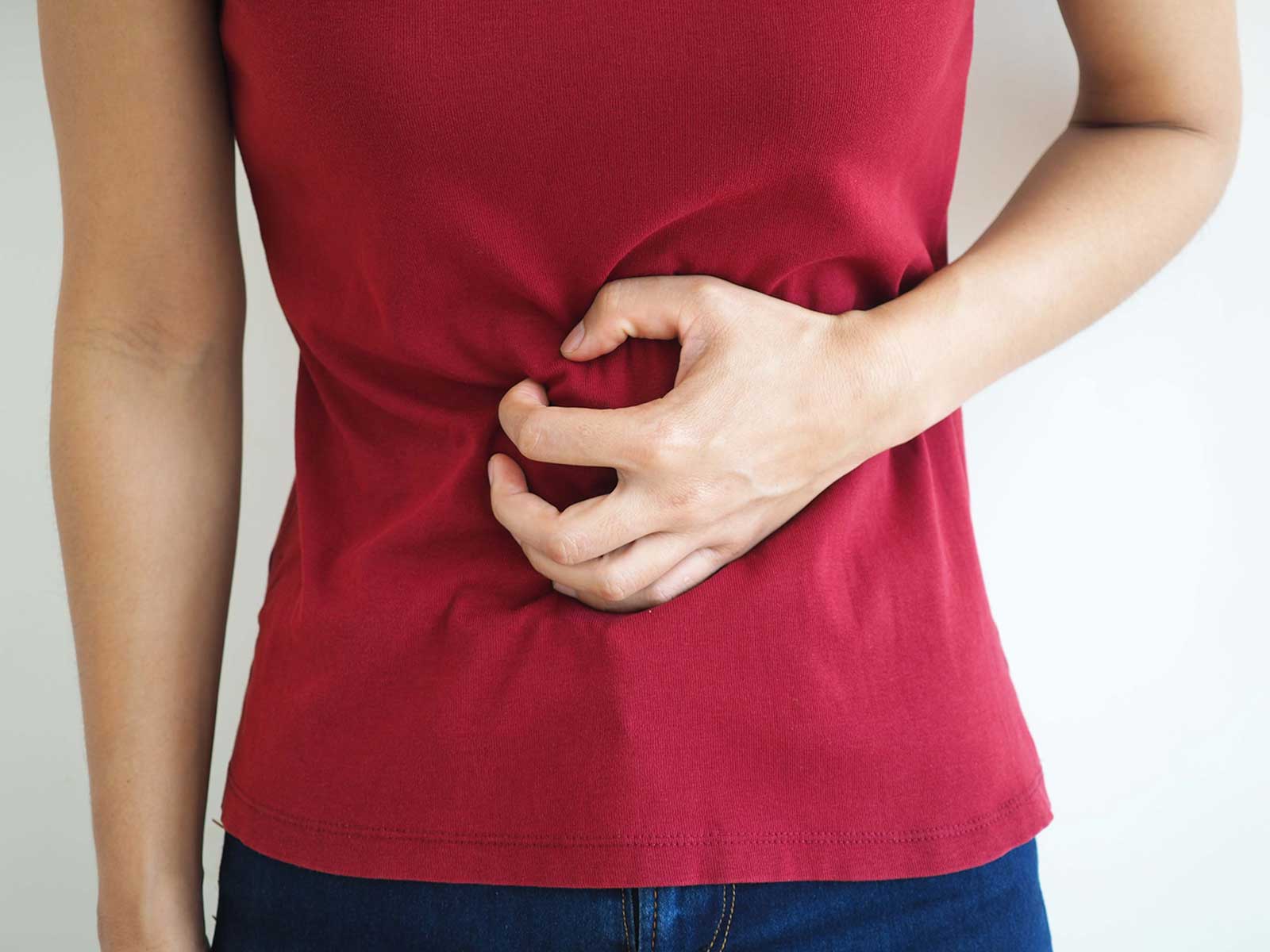








Fecal impaction- This is caused by the trapping of a hard stool in the rectum or colon. It is either too large or dry to pass on its own and in most of the instances, medical attention is required in order to avoid complications. ICD-10 of fecal impaction is K56.41. GastroDoxs that offers safe, mild treatment to diagnose and treat this condition in Jersey Village.
Victims of fecal impaction can experience:
The causes of fecal impaction could be as follows:
When fecal impaction strikes, you need urgent and professional care that should be considered. GastroDoxs is a caring staff offering patients in Jersey Village an opportunity to offer a fast and secure pain relief via moderate diagnostics and treatment schemes. The prevention is focused on the long-term intervention through dietary recommendations, bowel retraining, and constant support. Wait we are not-phoning you now or to book your appointment online so that you can get the relief you need and get your digestive system back to normal.
We've successfully treated more than 1.5K patients, helping individuals improve their digestive health and overall well-being through expert, personalized care.
With over 20 years of experience, GastroDoxs has been a trusted provider of gastroenterology care, focusing on delivering the best outcomes for patients
Dr. Bharat Pothuri is a Board-Certified Gastroenterologist and Hepatologist. With extensive experience in digestive health, he specializes in advanced endoscopic procedures, chronic GI disorder management, and preventive care. Dr. Pothuri is dedicated to providing expert, patient-focused insights to help improve gut health and overall well-being.
We perform a physical assessment, with or without a digital rectal assessment, and are free to use the imaging test, such as an abdominal X-ray or ultrasound, to verify the presence and location of impacted stool.
The ICD-10 code that is used in the appropriate medical history and insurance reimbursement is the fecal impaction code, ICD-10 code, which is K56.41.
Yes. Another complication of pregnancy is the slowing of bowel movement due to hormonal changes and the expanding uterus having the capacity to squeeze the bowels causing one to be at risk of constipation and impaction.
Fecal impaction refers to a solid stool, which is stuck in the rectum or colon. Bowel obstruction is an absolute obstruction of bowel contents, and being typically accompanied by a great deal of pain, vomiting, and the inability to pass gas and stool.
In case in several days you have had no stool, pain in your abdomen, nausea, vomiting or leaking liquid stool, you need to call a doctor as soon as possible.
Light exercise, high-fiber diet and increased intake of liquids can be highlighted to treat mild cases. However, it is possible to treat chronic or acute impactions to prevent complications professionally.
We tend to offer manual disimpaction treatment, which is painful, therefore we give the numbing medicine or low dose of sedation to ease the level of pain and give a safe treatment with no pain and safe treatment.
Prevention includes consuming high fiber diet, drinking enough fluids, exercising regularly, establishing regular bowel routine and using stool softeners/laxatives upon prescription- especially when taking constipating drug.
Yes. Opioids are inclined to slow bowel movements, which form constipation and great opportunities of impaction. Opioid therapy should start with the use of an aggressive bowel program.
Most of the patients would feel much better with improved bowel movements and reduced discomfort in near future with proper treatment.