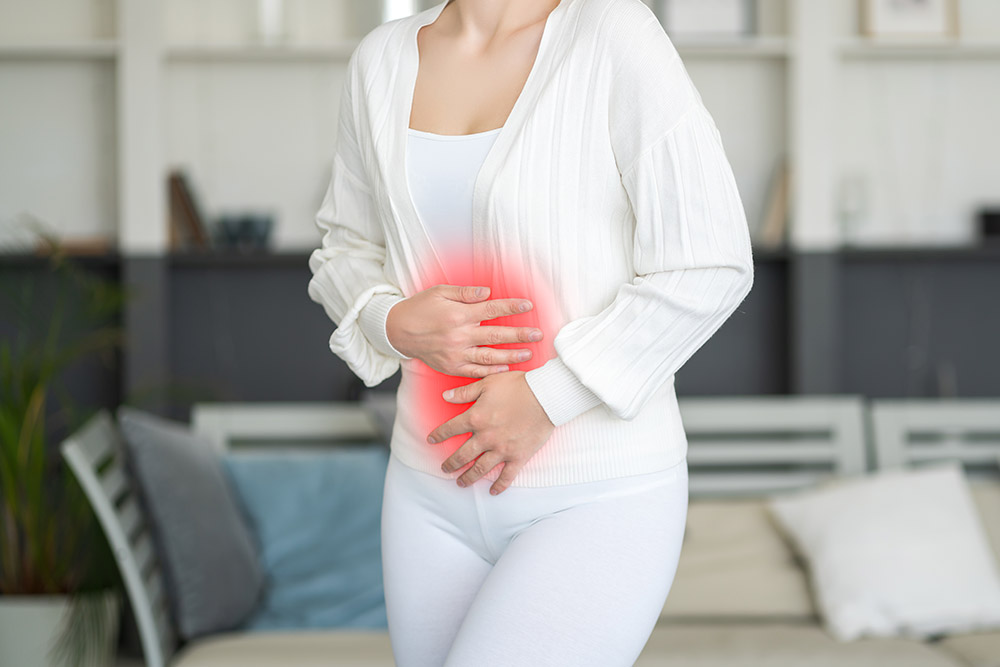








A bowel change is a change on pattern of stool. This may be in form of increase or a decrease in the number of visits, regularity of the stool or the change in the form of the stool. It does not qualify as a diagnosis but is a symptom, but it can be an indicator of a gastrointestinal problem to consider.
The bowel movements may be acute and transient or chronic and threatening. Typical signs include:
Some of the causes that can affect your normal bowel movement include:
Focusing on the patient-centered care and the overall solutions that can be dated to the digestive health, GastroDoxs is focused on the specialization in the study and the treatment of the alterations in the bowel functions and other gastrointestinal problems. We believe in the philosophy of the caring, personal treatment of delivering you the relief in the protracted period and enhance the quality of your life. You are now ready to sleep and feel confident about yourself again? To begin living with a better digestion state, you can now at Jersey Village appoint your Change in Bowel Habit professional and begin living better.
We've successfully treated more than 3.2K patients, helping individuals improve their digestive health and overall well-being through expert, personalized care.
With over 20 years of experience, GastroDoxs has been a trusted provider of gastroenterology care, focusing on delivering the best outcomes for patients
Dr. Bharat Pothuri is a Board-Certified Gastroenterologist and Hepatologist. With extensive experience in digestive health, he specializes in advanced endoscopic procedures, chronic GI disorder management, and preventive care. Dr. Pothuri is dedicated to providing expert, patient-focused insights to help improve gut health and overall well-being.
Bowel change just means the change of your regular stool- it may be bowel change in frequency, change in consistency, passageability or shape of your stool. It is a symptom which could be the sign of digestive issues.
The red-flag symptoms, which include blood in the stool, unexplainable weight loss, severe pains in the abdomen, or the long-lasting duration of the symptoms should see a doctor consulted.
Yes. The gastrointestinal motility during old age is also decreased and the bowel movement is either long or short.
The most widespread precipitants are changes (consumption of a good portion of dairy, fat or fiber), infections, medications (antibiotics or pain-killers) and chronic illnesses such as IBS or IBD.
Not necessarily. Long term changes may be a result of temporary change of diet or mild infection. But in case the symptoms persist beyond a few days or when the symptoms are more severe in nature, consult the doctor.
Bowel habit change, unspecified, R19.4, ICD-10.
The symptoms fade in over three months which should be considered chronic.
Do it when the symptoms become manifest regardless of your lifestyle and diet change or when you feel very uncomfortable, when there is blood in the stool; when there is no apparent reason that otherwise should explain the reason why you lose your weight, visit a gastroenterologist.
This must be either as blood, stool and imaging (CT scan) and endoscopy (colonoscopy) tests.
Yes. Most of the mild ones are treated by a combination of ensuring a person remains well hydrated, eats a lot of fiber, and addressing stress and the kind of food one eats leaving him or her with the symptoms.