1.9K Reviews | 4.7 Star Rating | 20+ years of experience | 72k+ Patients Treated
Acute Pancreatitis
Acute pancreatitis is an acute inflammation of the pancreas that leads to acute abdominal pains and complications. Dr. Scott in GastroDoxs in Houston is the place of professional attention, personalized treatment and gradual interventions that will put an end to pain, promote recovery, and prevent further appearances. Get to know the causes, symptoms and holistic care.
Dr. Scott Liu, MD, is a board-certified gastroenterologist with over six years of experience and a background in military medicine. He earned his medical degree from the University of Maryland, Baltimore, completed his Internal Medicine residency at Naval Medical Center Portsmouth, and finished his Gastroenterology fellowship through the National Capital Consortium. Dr. Liu provides comprehensive care for a broad range of digestive conditions, including abdominal pain, acid reflux, liver disease, chronic diarrhea, and colon cancer screening. He is a member of the American College of Gastroenterology and is known for his disciplined, patient-focused approach and clear communication.
Common Causes and Risk Factors
Obstruction in the pancreatic ducts because of the presence of gallstones.
Alcohol abuse.
Increased levels of triglycerides (hypertriglyceridemia)
There are certain medications or infections in use.
Family history of pancreatic disease.
Signs and Symptoms
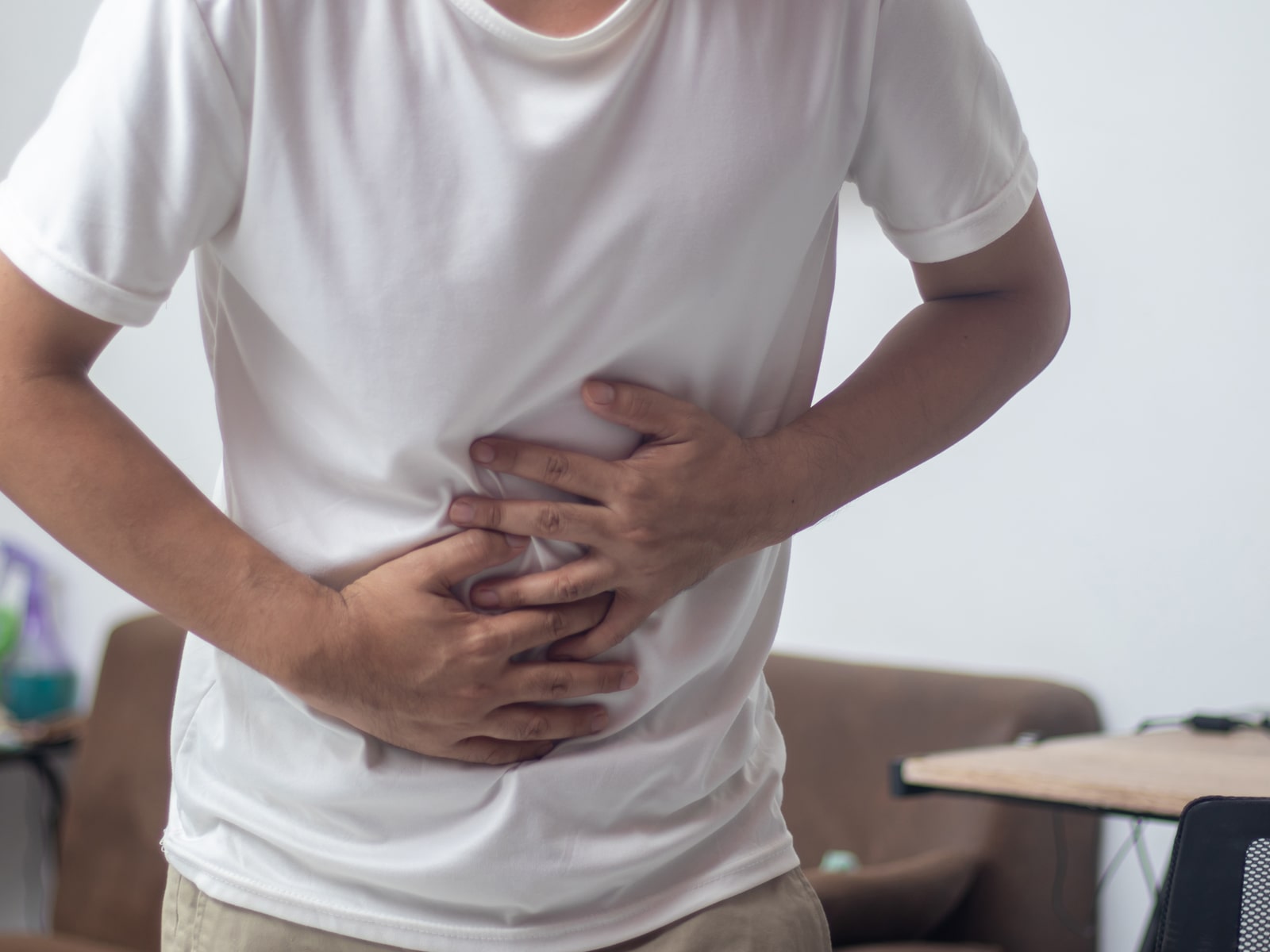
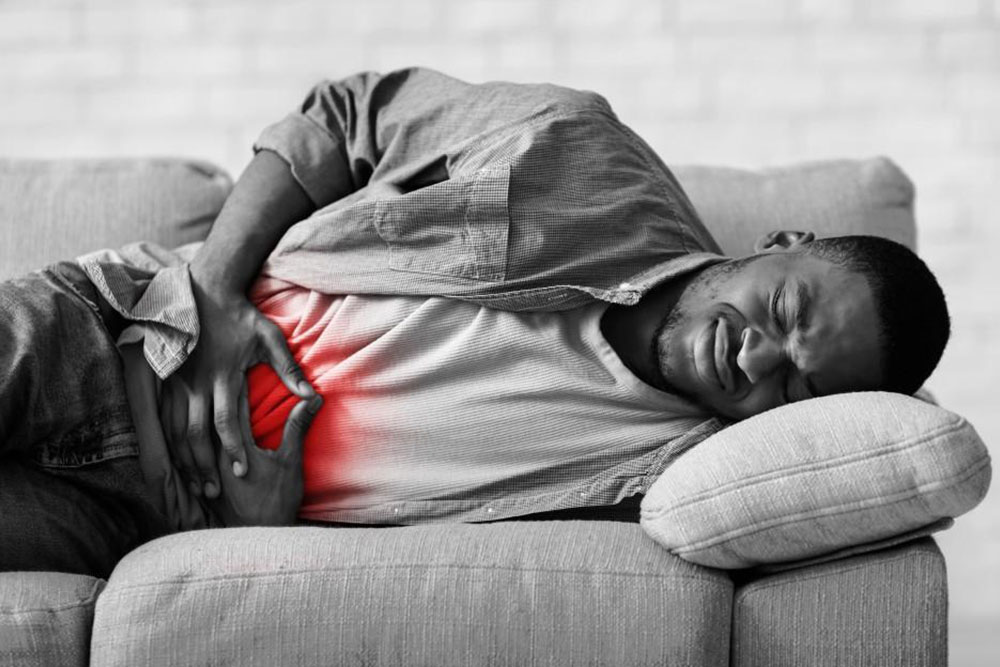
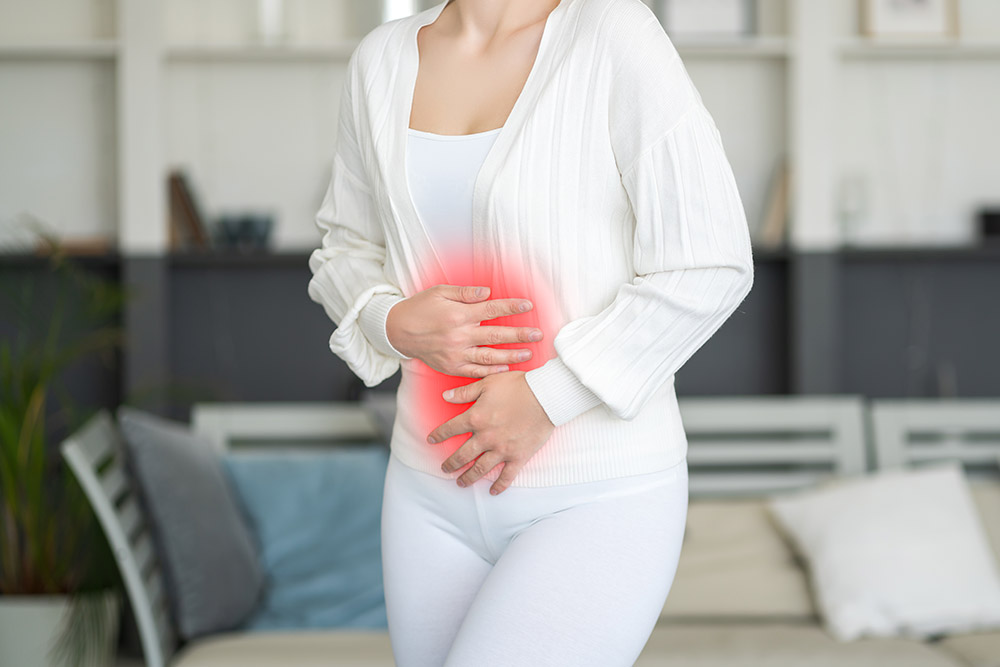
Severe abdominal pain, upper, with extension to the back.
Nausea and vomiting
Swollen or tender abdomen
Lightning quick pulse (tachycardia) or fever.
How Dr. Scott Diagnoses Acute Posthemorrhagic Anemia?
Dr. Scott uses a step-by-step approach:
Medical History and Exam
He analyzes your pain in the epigastric, blood-in-it (dark or bloody stools, vomiting coffee-ground), drugs, and anemia (pallor, rapid pulse).
Blood Tests
Complete blood count of hemoglobin, index of hematocrit and red cell indices, iron measurements (ferritin, saturation of transferrin) of iron stores.
Stool and Vomit Tests
Stool and emesis fecal immunochemical test to determine the absence of blood in the gastrointestinal tract.
Endoscopic Evaluation
The upper endoscopy (EGD) to inspect the esophagus, stomach and duodenum in the event of ulcer, erosion or bleeding lesion which could be causing epigastric pain.
Colonoscopy to examine the colon in the case of polyps, tumor or diverticular bleeding in the case of lower-GI loss.
Imaging Studies
Case of inconclusive or active bleeding on endoscopy suspected, to localize the source, is the use of CT angiography.
Abdominal ultrasound to exclude liver disease or vascular abnormalities which could be the cause of bleeding.
Advanced Testing (if needed)
Capsule endoscopy to establish small bowel or angiographic tests with embolization to diagnose as well as treat intractable obscure bleeding
Treatment
Our Team offers a full range of care for acute pancreatitis.
1. Lifestyle and Diet Changes
Starvation on temporary basis to control the pancreas.
Lack of fasting to low-fat diet.
Crystalloid or IV fluids in order to keep the body hydrated.
Cessation of alcohol and smoking.
2. Medications
Analgesics to address pain.
Anti-nausea medications
Supplements of pancreatic enzymes to aid digestion.
Drugs which lower the concentration of triglycerides.
3. Minimally Invasive or Advanced Procedures
ERCP with the aim of opening the duct of the pancreas containing gallstones.
Evacuation of the pus of fluid build-up around the pancreas through an endoscope.
Necrosectomy through the help of an image to excise the infected tissue.
Psychological drainage radiological prevention of open surgery.
Dr. Scott Liu, MD, is a board-certified gastroenterologist with over six years of experience and a background in military medicine. He earned his medical degree from the University of Maryland, Baltimore, completed his Internal Medicine residency at Naval Medical Center Portsmouth, and finished his Gastroenterology fellowship through the National Capital Consortium. Dr. Liu provides comprehensive care for a broad range of digestive conditions, including abdominal pain, acid reflux, liver disease, chronic diarrhea, and colon cancer screening. He is a member of the American College of Gastroenterology and is known for his disciplined, patient-focused approach and clear communication.
Frequently Asked Questions
What is the difference between acute and chronic pancreatitis?
Acute pancreatitis is a fast occurring ailment that is normally remedied and cured in good time. Chronic pancreatitis is developed in the long run and is characterized by repeated attacks that could cause irreparable damages.
How long does recovery take?
The majority of the people start feeling better after 1-2 weeks, when the pancreas rests and is treated.
What is the duration of survival of acute pancreatitis?
The patients are able to live normally because of the prompt medical care and healthy lifestyle change.
Can I stop it from coming back?
Yes. The avoidance of the alcohol consumption, low-fat diet, and eliminating the causes of the issue, including the presence of the gallstones or the high concentration of triglycerides, helps to avoid the risk of the relapse considerably.
When should I go to the ER?
In case of extreme pain in the abdomen, fever, tachycardia, or prolonged vomiting, emergency treatment is required.
What is the ICD-10 code of acute pancreatitis?
The code is K85 that is used to code the diagnosis and insure the diagnosis.
Will I need surgery?
Most of the cases react to diet and medication. Only complications are referred to as infections of the tissues or gallstones which are presented to undergo surgery or elaborate measures.
Related Blogs
When Is Abdominal Pain a Sign of Ulcerative Colitis?