What Is NSAID Enteritis?
A disease that causes inflammation of the small intestine, which is caused by excessive or long-term use of nonsteroidal anti-inflammatory drugs (NSAIDs). The three are ibuprofen, naproxen and aspirin which are common NSAIDs. The ultimate result of these medications, in the long run, is the destruction of the gut lining, hence, resulting into ulcers, pain, and bleeding.
Common Causes and Risk Factors
- Repeated or chronic use of NSAIDs.
- Long-term NSAID therapy
- Personal or family intestinal issues.
- Alcohol use or smoking
- Age over 60
Signs and Symptoms
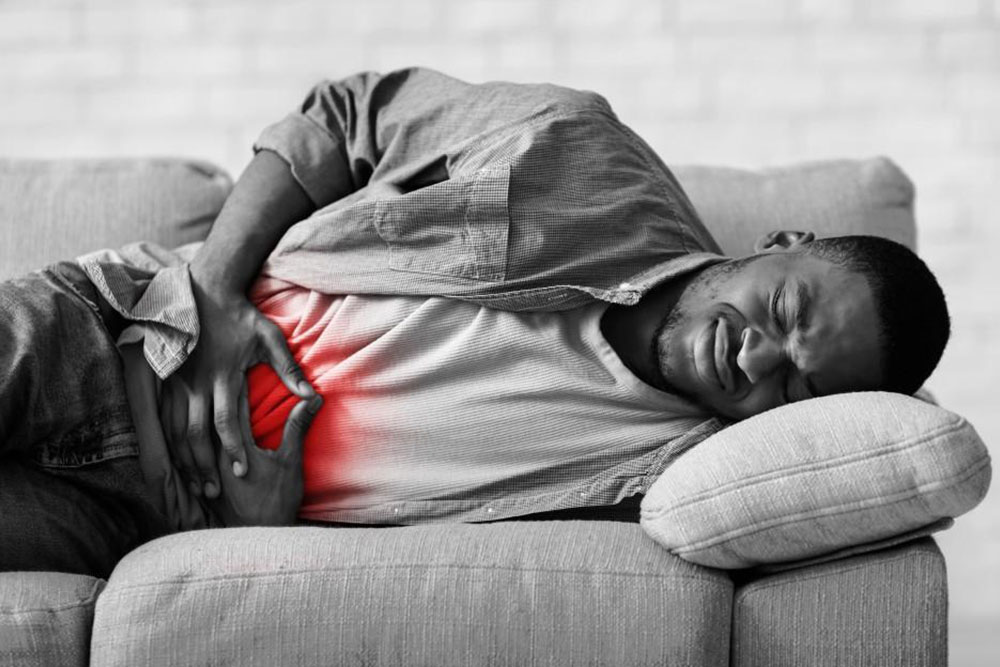
- Belly pain or cramping
- Nausea or vomiting
- Diarrhea (with or without blood)
- Unexplained weight loss
- Slow, obscure hemolytic anemia
How Dr. Rishi Diagnoses NSAID Enteritis?
Dr. Rishi Chadha uses a comprehensive, step-by-step approach:
Medical History & Physical Exam
He evaluates your NSAID (type, dose, frequency) use, describes such symptoms as pain or bleeding and analyzes risk factors (age, alcohol, smoking, family history).
Laboratory Tests
- Blood tests - inflammation and anemia.
- Stool tests- rule out infectious diarrhea or bleeding.
Advanced Imaging & Endoscopy
- Capsule endoscopy - this is a small pill that you swallow and has a camera that captures detailed pictures throughout the small intestine and depicts ulcers or other erosions.
- CT enterography or MRI enterography - special scan to identify small bowel inflammation, ulceration or strictures.
This critical interpretation will help Dr. Chadha to diagnose injury in relation to NSAID and create an individualized treatment program to heal and safeguard the gut in the long run.
What is NSAID enteritis?
It is the swelling in the small intestine as a result of excessive use or long-term use of NSAID.
Are NSAIDs enteric drugs?
No. The gut protection is the target of the enteric-coated drugs. Commonly available NSAIDs including ibuprofen, naproxen and aspirin can harm the lining of the gut in the long-term.
What is NSAID enteritis diagnosis?
Dr. Chadha looks at your symptoms, NSAID history, makes an examination, and may test your lab work, stool tests, images, or a small-camera procedure.
What tests are used?
Common include such tests as blood tests (to rule out anemia and inflammation), stool tests (to rule out infection), capsule endoscopy, CT or MRI enterography.
How is it treated?
The treatment involves NSAIDs discontinuation, prescribed by a medical expert, taking gut-healing medications (PPIs or misoprostol), a low-fat diet, and endoscopic interventions, where needed.
What foods help healing?
Small portions of probiotics, lean protein, and fruits of cooked vegetables may be provided in light and regular meals to make the gut recover.
How long does recovery take?
Mild infections can be treated with several weeks, more severe inflammation or ulcers may take several months to be fully cured.
Is it now to be Crohn disease?
No. NSAID enteritis is damage, which arises through taking drugs, and Crohn’s is an autoimmune disorder. Dr. Chadha will expound the differences during diagnosis.
What is the right time to consult a specialist?
Make an appointment because of persistent belly pain, gastrointestinal bleeding, unexplainable loss of weight, or anemia symptoms.
Does it have any non surgical alternatives?
Yes. Dr. Chadha suggests endoscopic treatment which is least invasive like balloon dilation or endoscopic hemostasis to cure most cases without any surgery.