What Is Morbid Obesity Due to Excess Calories?
Excess calories lead to morbid obesity through overeating of calories in comparison to the insufficient use of calories by the body. In the long run this causes extreme weight gain and body fat accumulation. It may lead to severe health complications. Physicians refer to this as the code ICD-10 E66.01.
Common Causes
- Consuming excess sugar, fat and processed foods.
- Lack of physical activity.
- Family history of obesity
- Food consumed out of anxiety, stress, or feeling.
- Some drugs (consult your physician)
- Hormone changes or aging
Common Signs and Symptoms
- BMI over 40 (severe obesity)
- Breathing difficulty or sleep apnea.
- Pain in the hips, knees or lower back.
- Always feeling fatigued or listless.
- Hypertension or diabetes.
- Not being able to move or not be able to avoid social activities easily.
How Dr. Rishi Chadha Diagnoses Morbid Obesity Due To Excess Calories?
1. Health History & Lifestyle Review
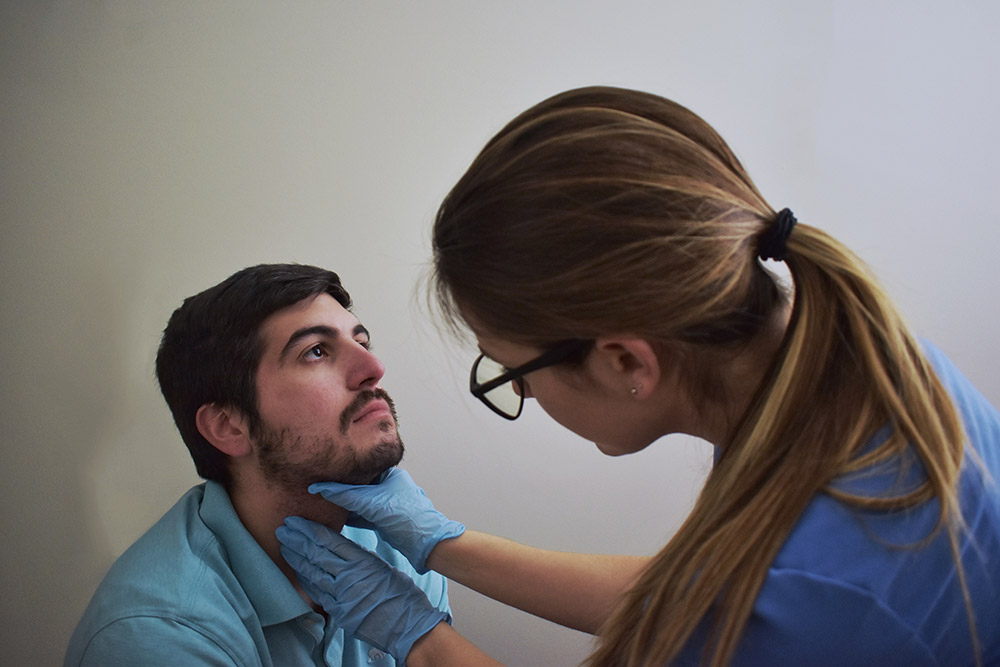
Dr. Chadha talks about how much calories you consume, your eating habits, emotional (stress) eating habits, the level of activity, and you have ever had any family history of obesity.
2. Physical Examination & Measurements
Height, weight, calculation of BMI, and waist circumference are taken in the determination of severity of obesity and risks associated with it.
3. Laboratory Testing
- HbA1c screen to test diabetes and fasting glucose.
- Cholesterol and Triglyceride lipid panel.
- Thyroid tests to exclude metabolic diseases.
- Liver tests to check fatty liver disease.
4. Imaging Studies (As Needed)
Abdominal ultrasound/DEXA scan can be employed to check the presence of fat in the abdominal area and eliminate other organ involvement.
5. ICD-10 Documentation
I would code the diagnosis as code E66.01 (excess calories leading to morbid obesity) because it will provide proper treatment planning and insurance coverage.
Frequently Asked Questions
What is non-morbid obesity?
Any BMI ranging between 30 and 39.9 defines non-morbid obesity. Morbid obesity refers to 40 BMI or above.
How is morbid obesity more serious?
The morbid obesity exposes your risk to being affected by heart-disease, diabetes, sleep apnea, joint pains, and other severe health problems.
What's the ICD-10 code for this condition?
The ICD-10 code of morbid obesity because of excessive calories is E66.01.
Can diet and exercise alone help?
Diet and exercise have been found to help some patients, but many of them require further medical support or the use of procedures in order to lose their weight permanently.
Are weight-loss drugs safe?
Yes-when taken under strict supervision of a specialist such as Dr. Chadha, FDA approved drugs can be a safe inclusion on your health management.
How long does treatment take?
Treatment duration varies. Patients are some of the patients who report improvements in a matter of weeks, whereas others will have to need more follow-up and modification of their care plan.
Will my insurance cover treatment?
Most insurance covers include weight-loss counseling, drugs and some surgeries. Our staff will help you to confirm your benefits.
Am I a candidate for endoscopic procedures?
To be candidate, you must rely on your BMI, health condition generally, and weight-loss attempts in the past. Dr. Chadha is going to consider you and give you the best alternative.
How do I prepare for a sleeve procedure?
Certain preparation steps involve taking a prescribed pre-op diet, laboratory tests and imaging exams as well as pre-procedure consult.
Can this condition cause other diseases?
Yes. Unattended, morbid obesity may cause heart diseases, sleep apnea, degeneration of joints, heart high blood pressure, diabetes, etc.