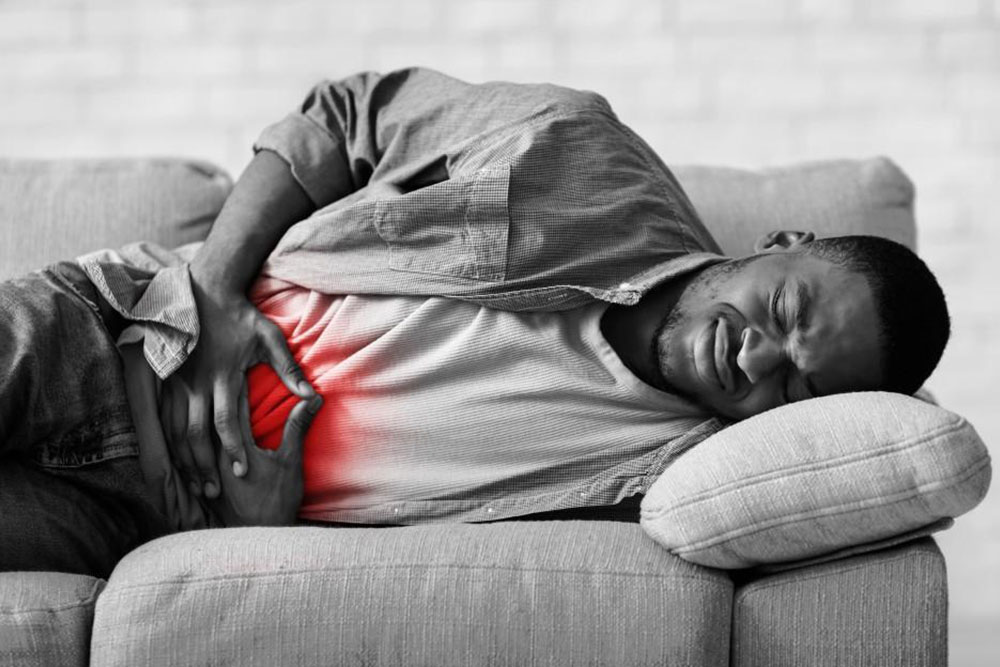
What Are Fecal Abnormalities?
Fecal abnormalities anything that is of abnormal color, shape, texture or contents in your stool. One may see blood, mucus, pus, or excessively hard or excessively loose stools. In the absence of a particular diagnosis, doctors are likely to use the ICD-10 code of K92.8 -other fecal abnormalities- as a diagnosis.
Common Causes and Risk Factors
- Low dietary fiber intake
- Dehydration
- Gastrointestinal Infection (e.g., bacterial gastroenteritis)
- Fissures in the anus, bleeding hemorrhoids.
- Colitis inflammatory bowel disease (Crohn, ulcerative colitis)
- Drugs of some sort (aspirin, iron supplements)
- Risk factors in colorectal cancer (family history, age greater than 50)
Signs and Symptoms
- Tarry, red or black stool.
- Visible mucus or pus in stool
- Repetitive diarrhea or constipation.
- Particular negative fecal colonoscopic appearance.
- Sensation of pain or bloating in the belly area or cramping.
How Dr. Rishi Diagnoses Fecal Abnormalities?
Dr. Rishi uses a step-by-step approach:
Medical History and Physical Exam
He studies your bowel movements (color, shape, consistency), nutrition, medical history and risk factors. Certain abdominal and anorectal analysis of abdominal aches, masses, hemorrhoids, or crevice.
Fecal Tests
Fecal occult blood testing is done to define the presence of the latent bleeding and stool culture (presence of ova and parasites) in order to report the causative factors.
Endoscopic Evaluation
- Colonoscopy - direct observation of the colon lining, and polyp removal and biopsy on order.
- Capsule endoscopy - small bow examination in case of indication in a non-invasive manner.
Imaging Studies
- CT scan/ MRI enterography - adjacent images in order to detect inflammation, strictures or bowel masses.
Advanced Testing (if needed)
To identify the bowel movement patterns with the possibility of complex motility issues or functional dysfunction, we may order anorectal manometry or colonic transit tests.
Frequently Asked Questions
What does black, tarry stool mean?
Dark, tarry stool (melena) may be an indicator that there is bleeding in the upper GI tract (stomach or small intestine). Darkening of stool is also brought about by iron pills or bismuth drugs.
What is the cause of concern when positive fecal occult blood test is found?
A test that results positive is a sign of hidden bleeding. It is necessary to keep consulting your doctor to get a colonoscopy or any other diagnosis tests to find the cause.
ICD-10 code of other fecal abnormality?
Code K92.8 is used in the case of -other fecal abnormalities- when you have no other more specific code to use on your changes in stool.
So what should I do so as to prepare a colonoscopy?
A clear-liquid diet will be ordered on the day before you, and you will be ordered to consume prescribed bowel prep, solutions in order to empty out your colon.
Can the diet changes assist in the management of stool problems?
Yes. The inclusion of additional fiber, hydration, and probiotics is more likely to increase the stool consistency and the well-being of the gut.
Are fecal abnormalities life threatening?
Most aren-t. However, severe disabilities like GI bleeding or cancer must be done away with through conducting relevant tests.
How fast does treatment work?
The changes in diet, hydration, and prescribed medications have an effect and most patients improve a few days.
Do the hemorrhoids have any effect on the stool results?
Yes. Hemorrhoids or fissures of the anus can also be observed with bleeding with positive outlook of the stool-blood test or red streaks in the stool.
What do we mean by -other fecal abnormalities-?
It is an umbrella term that is used when your changes in stool (color, consistency, contents) do not suggest a more accurate diagnosis.
Do they insure such tests and treatments?
The health plans cover the majority of the necessary stool tests, imaging and colonoscopies and therapies. Do not think that you are covered.