What Is Eosinophilic Colitis?
Eosinophilic colitis is a rare smallpox of the gut in which eosinophils (type of white blood cells) accumulate in the colon causing inflammation, pains and digestive problems.
Common Causes and Risk Factors
- Allergies to food (dairy, gluten, eggs)
- Immunologic or allergies in the family.
- Over response on the part of the immune system.
- In infants, children or adults.
Signs and Symptoms
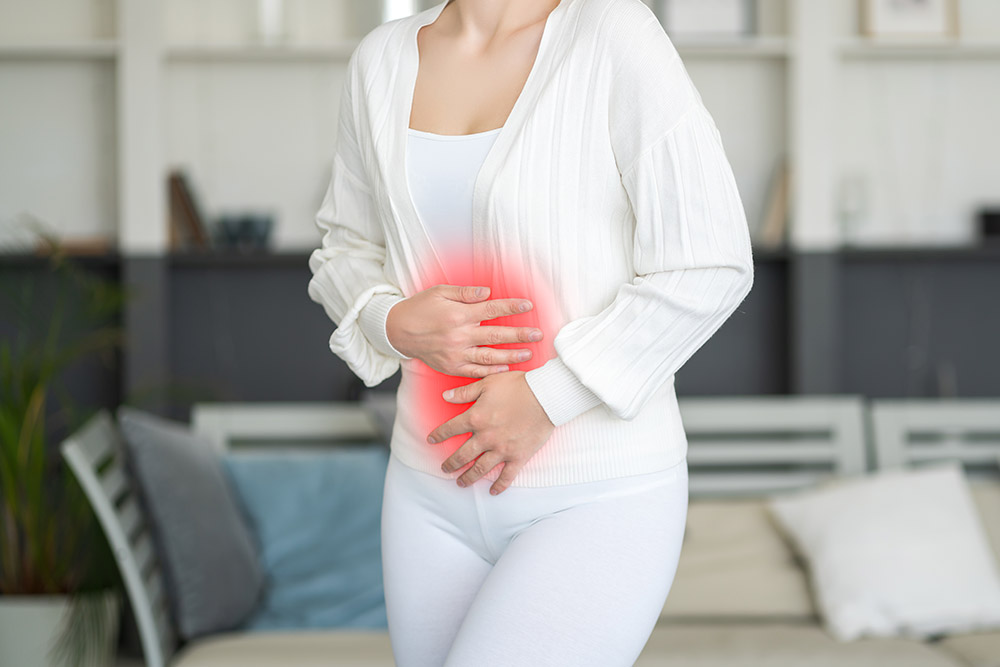
- Abdominal pain or cramping
- Periodic or chronic diarrhea.
- Nausea, bloating, or vomiting
- Unintentional weight loss
- Blood or mucus in the stool
How Dr. Rishi Diagnoses Eosinophilic Colitis?
Dr. Rishi Chadha uses a step-by-step approach:
Medical History and Physical Exam
He will investigate your symptoms, food allergies, and allergy history, and family history of immune disorders.
Blood and Stool Tests
Laboratory tests of high eosinophil level and inflammatory sign. There is the use of stool tests to determine the occult blood and rule out infections.
Endoscopic Evaluation
Inflamed areas are identified by direct observation of the lining of the colon with the assistance of colonoscopy.
Tissue Biopsy
During the colonoscopy, small fragments of colon tissue are taken to determine the number of eosinophils to determine the diagnosis.
Allergy Testing and Imaging (if needed)
- Allergy panels determine various food/environmental trigger.
- MRI or CT scan checks the thickening of bowel walls and eliminates other diseases.
Frequently Asked Questions
What is the pathogenesis of eosinophilic colitis?
Eosinophilic colitis can be brought about by allergies, hyper immune response, and family history of allergy/immune disorders.
What is the prevalence of eosinophilic colitis?
It is a very uncommon disease and it has a rate of occurrence less than 1 in 100,000.
What is the distinction between ulcerative colitis and it?
This is unlike the ulcerative colitis where a biopsy of a colonoscopy will show that the eosinophils are highly expressed in eosinophilic colitis.
What tests do I need?
Colonoscopy and stool tissue sample, tests of allergy, and blood tests are usually required.
Can diet help?
Yes. The improvement of symptoms may be reached through the identification and elimination of triggering foods (e.g., dairy, gluten, eggs).
Is it curable?
Even though it has not been tested to have a cure, most patients can be alleviated with the appropriate treatment and this is long-lasting.
What treatments help most?
The initial therapies consist of steroids to cure inflammation and biologic treatment to cure the chronic treatment.
Is surgery needed?
Medical and dietary treatment without surgery does not necessarily positively respond to the majority of patients.
Do you follow your treatment instructions?
Yes. We are guided by the latest evidence based and guidelines of eosinophilic gastrointestinal diseases.
Will insurance cover it?
Most insurance covers diagnostic tests and treatments. Our staff will check up the following on your behalf.