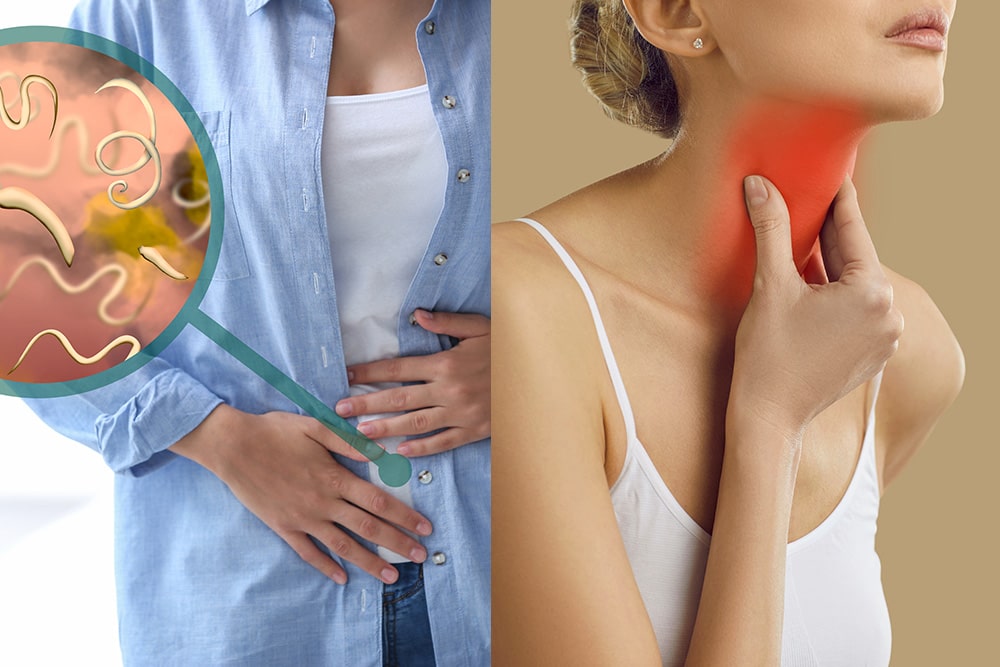








Portal vein thrombosis occurs when a clot of blood interposes normal blood flow along the portal vein which transfers blood to the liver after the digestive organs. This directs the liver to block blood filtration and, unless remedied, may cause such complications as portal hypertension or gastrointestinal hemorrhage.
Symptoms can be mild or no longer experienced at an early stage. In later stages of PVT, you will be able to notice:
The precipitation of clot in the portal vein can be aggravated by a number of factors:
Portal venous thrombosis and related liver-vascular diseases are treated with patient-centric approach which integrates a high level of diagnostics with individual treatment courses at GastroDoxs in Cypress. Our multidisciplinary team will consult with you at every point: explain everything to you, give you all the understanding and care, and show the newest images and laboratory equipment. Zapat, you are ready to charge your health? Get your appointment now and start on your way of having a permanent relief and a feeling of certainty of your treatment.
We've successfully treated more than 1.5K patients, helping individuals improve their digestive health and overall well-being through expert, personalized care.
With over 20 years of experience, GastroDoxs has been a trusted provider of gastroenterology care, focusing on delivering the best outcomes for patients
Dr. Bharat Pothuri is a board-certified expert in Gastroenterology and Hepatology with extensive training and expertise in both digestive health and liver diseases.
He is deeply committed to providing personalized care, focusing on understanding each patient’s unique needs. His approach combines advanced diagnostic techniques with tailored treatment plans to ensure the best possible outcomes. Patients appreciate his compassionate care and thorough approach, and many express high satisfaction with the improvements they experience in their digestive and liver health under his expert guidance.
Liver disease(including cirrhosis), inherited or acquired clotting disorders, tumors (in particular liver cancer), abdominal infections or inflammation, recent surgery or injury, and other chronic diseases are the most common causes of portal vein thrombosis which helps in the flow of blood around the abdomen.
Chronic portal vein thrombosis is treated using long term anticoagulants to prevent additional clotting, frequent imaging (CT scans or Doppler ultrasound) to assess blood circulation, dietary modification to promote liver health and management of underlying liver and clotting problems.
A CT scan may be required in case you have any symptoms or/and risk factors of portal vein thrombosis. It offers scrupulous images that affirm the existence, site and size of the clot, as an indicator of subsequent treatment.
Although no nutritional therapy seems to be able to eliminate clots, a nutritionally balanced/high in nutrient rich diet-rich in lean protein, fruits, vegetables and whole grains-patients liver activity and vascular activity, decreases the risk factors further.
Unattended portal vein thrombosis may be life-threatening because of possible complications such as intestinal ischemia or hemodialysis of liver. The risks can be considerably reduced by early diagnosis and treatment.
Numerous patients will start to improve in just a few days on anticoagulants, but they usually require several months and possibly more to receive complete treatment, which depends on the size of the clot, its cause, and the response to the treatment.
Tumor thrombosis is a condition in which the portal vein is invaded or compressed in an attempt to enlarge the cancer- leading to a blood clot most often in liver tumors. This involves anticoagulation and directed cancer therapy.
Yes. Selective cases can also be advised (i.e. thrombectomy (removal of the clot) or a TIPS (transjugular intrahepatic portosystemic shunt)) to promote the blood circulation and alleviate portal hypotension.
The follow-up is usually initiated every month to check the level of anticoagulation and relief of the symptoms and is followed by the periodicity of every few months when the long-term stability is required through further imaging and blood analysis.
Portal vein thrombosis is uncommon among children, but it may happen as a result of an abdominal infection, inherited clotting diseases, or umbilical vein catheterization of the newborn infant. Pediatric specialists respond to this by differentiating diagnosis plans and treatment.