






The portal hypertension is an occurrence when there is a rise in blood pressure in the portal system carrying the blood between your digestive organs and your liver. This increase of pressure forms the nearby veins like in the stomach, esophagus and spleen or intestines to increase meaning that when not treated, they can cause severe complications.
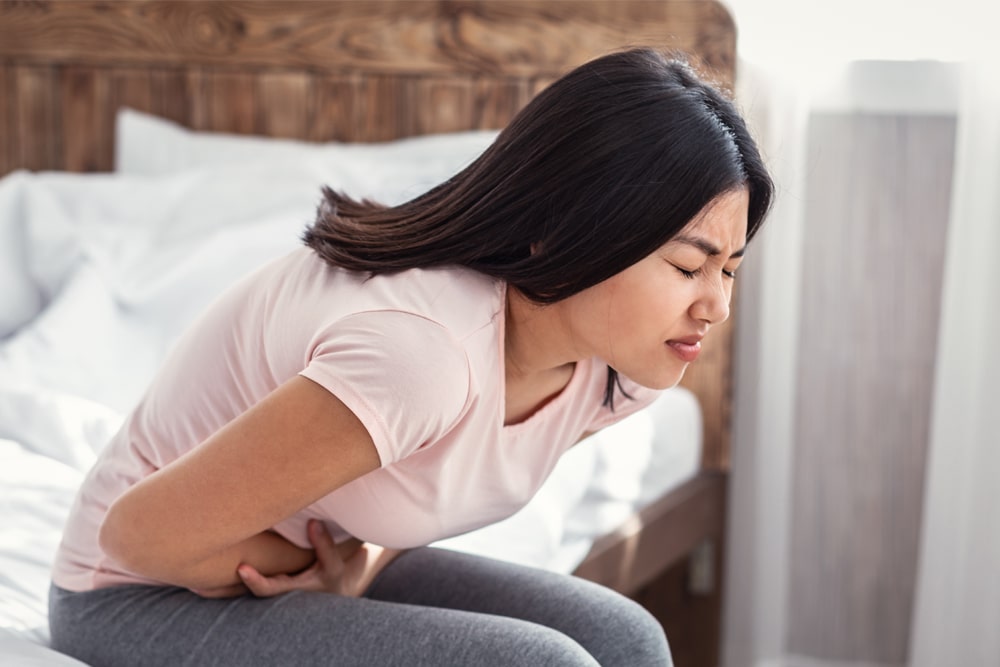
Early symptoms may not be detectable. When the pressure increases you can experience:
Portal hypertension may be secondary to a number of conditions that prevent or slow the flow of blood through the liver:
Portal hypertension is no longer something to have defined your life. In GastroDoxs, a special hospital situated in Houston, we offer personalized treatment and care plans, modern medical methods, and humanitarianism at all levels. Today, the first step towards a healthy liver and a long life is to call us at 832-476-1649 or make a booking online.
We've successfully treated more than 1.5K patients, helping individuals improve their digestive health and overall well-being through expert, personalized care.
With over 20 years of experience, GastroDoxs has been a trusted provider of gastroenterology care, focusing on delivering the best outcomes for patients
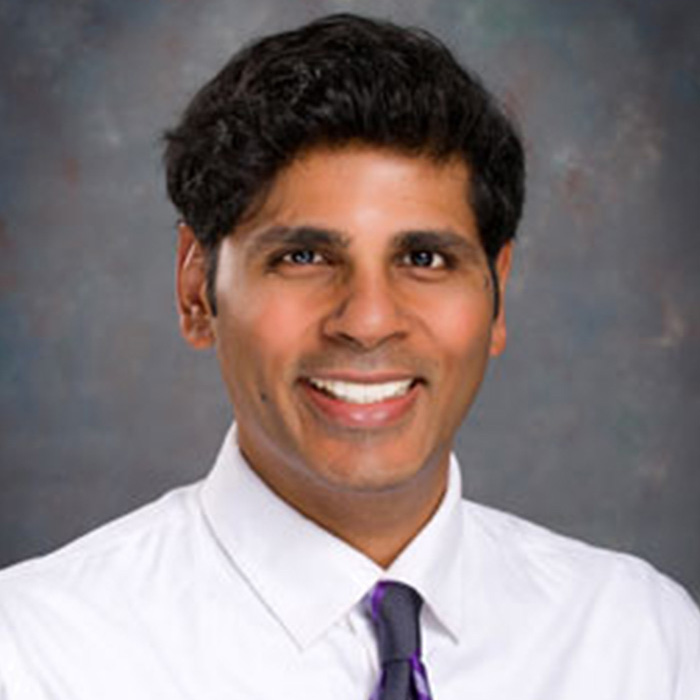
Dr. Bharat Pothuri is a board-certified expert in Gastroenterology and Hepatology with extensive training and expertise in both digestive health and liver diseases.
He is deeply committed to providing personalized care, focusing on understanding each patient’s unique needs. His approach combines advanced diagnostic techniques with tailored treatment plans to ensure the best possible outcomes. Patients appreciate his compassionate care and thorough approach, and many express high satisfaction with the improvements they experience in their digestive and liver health under his expert guidance.
Portal hypertension has the ICD-10 code of K76.6 that has either cirrhotic or non-cirrhotic types.
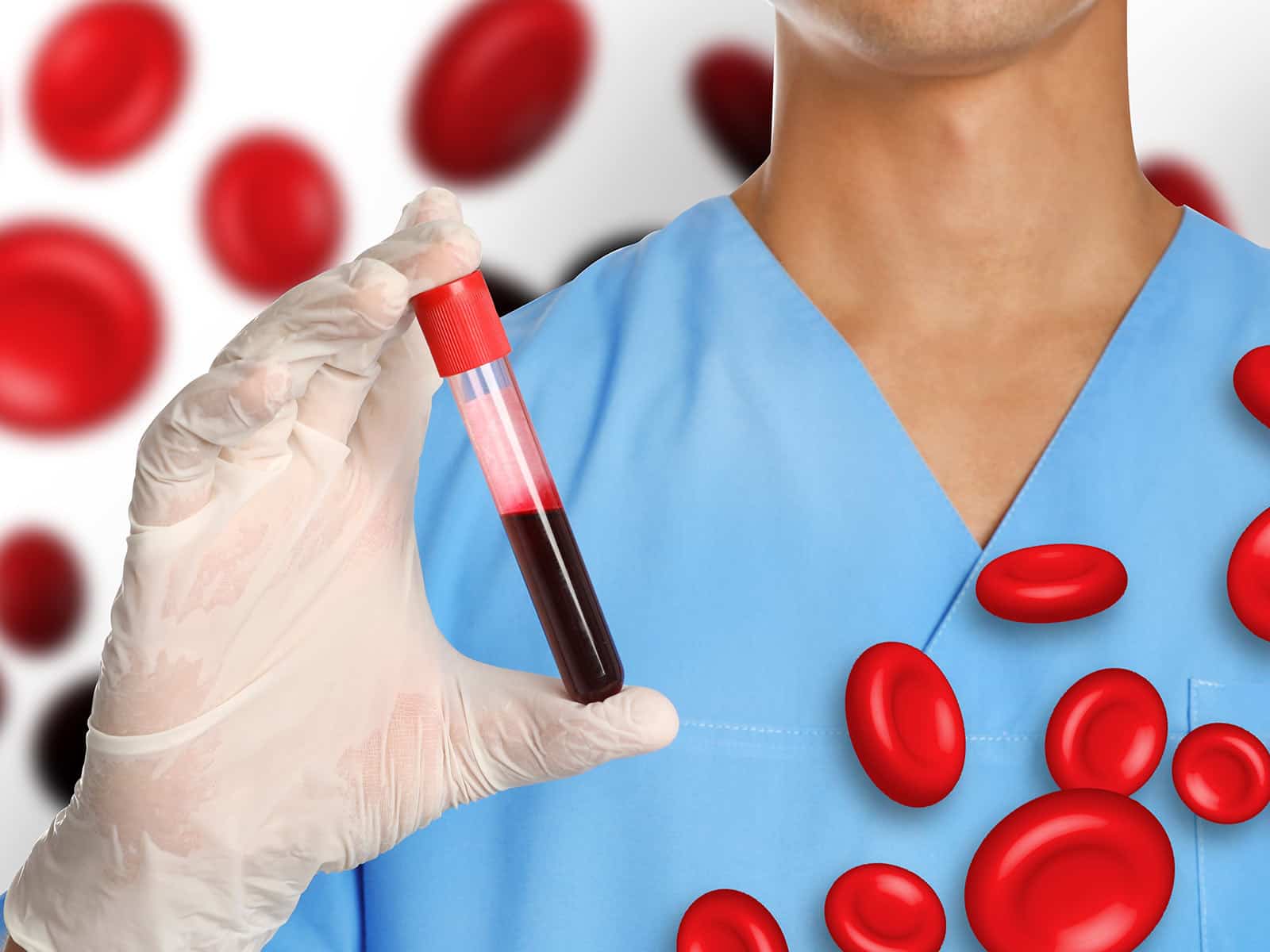
Diagnosis is usually based on radiology with ultrasound or CT scan, endoscopy to view varices and in certain cases with direct pressure measurement of the portal vein.
Early containing signs may comprise the fatigue, the accumulation of fluid into the belly (ascites), or the distended spleen (splenomegaly).
Though advanced cirrhosis is incurable the initial liver scarring can be enhanced by suitable lifestyle interventions, medicines and close supervision.
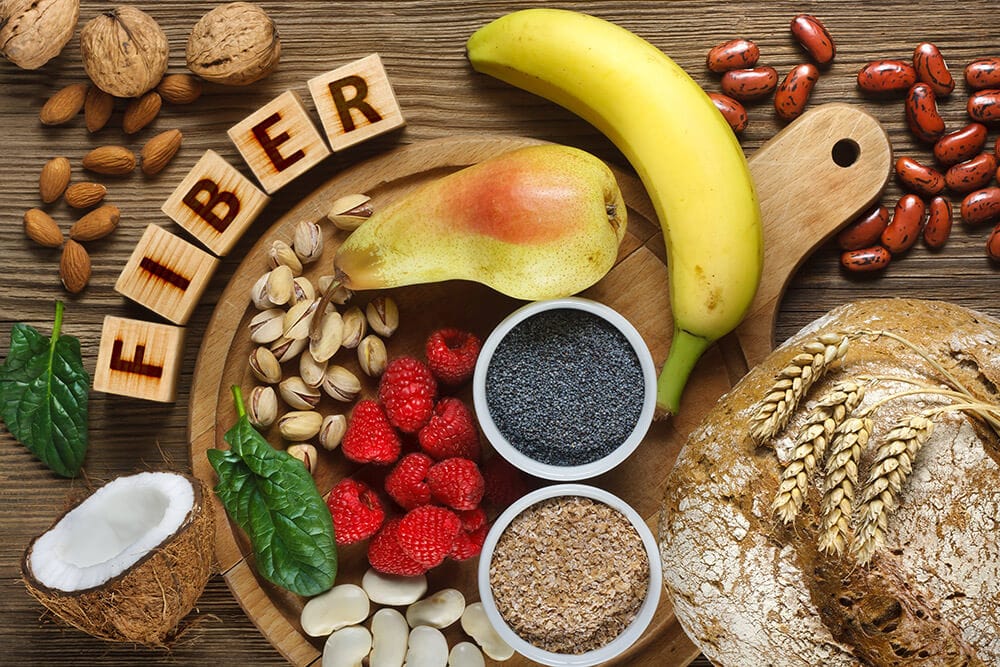
It is generally suggested to have a low sodium and high protein and calorie diet. The dietitian or gastroenterologist will develop a personalized diet plan.
The Transjugular Intrahepatic Portosystemic Shunt (TIPS) surgery involves a minor opening (shunt) in the liver to re-route the blood and decrease pressure in the portal vein.
No. Gastropathy is the alteration of the stomach lining due to elevated portal pressure, whilst varices are a set of swollen tender esophageal or stomach veins which can burst open and hemorrhage.
Yes. The management needs competent gastroenterologist with experience on advanced treatment, routine monitoring and prevention of complications.
Right heart failure may elevate to increase the pressure in blood vessels of the liver, thus elevating the portal vein pressure and exacerbating the condition.
The rate of follow-up visit varies based on the severity and the complications of the disease but the majority of patients are followed up after every 36 months or more frequently in case of new symptoms.