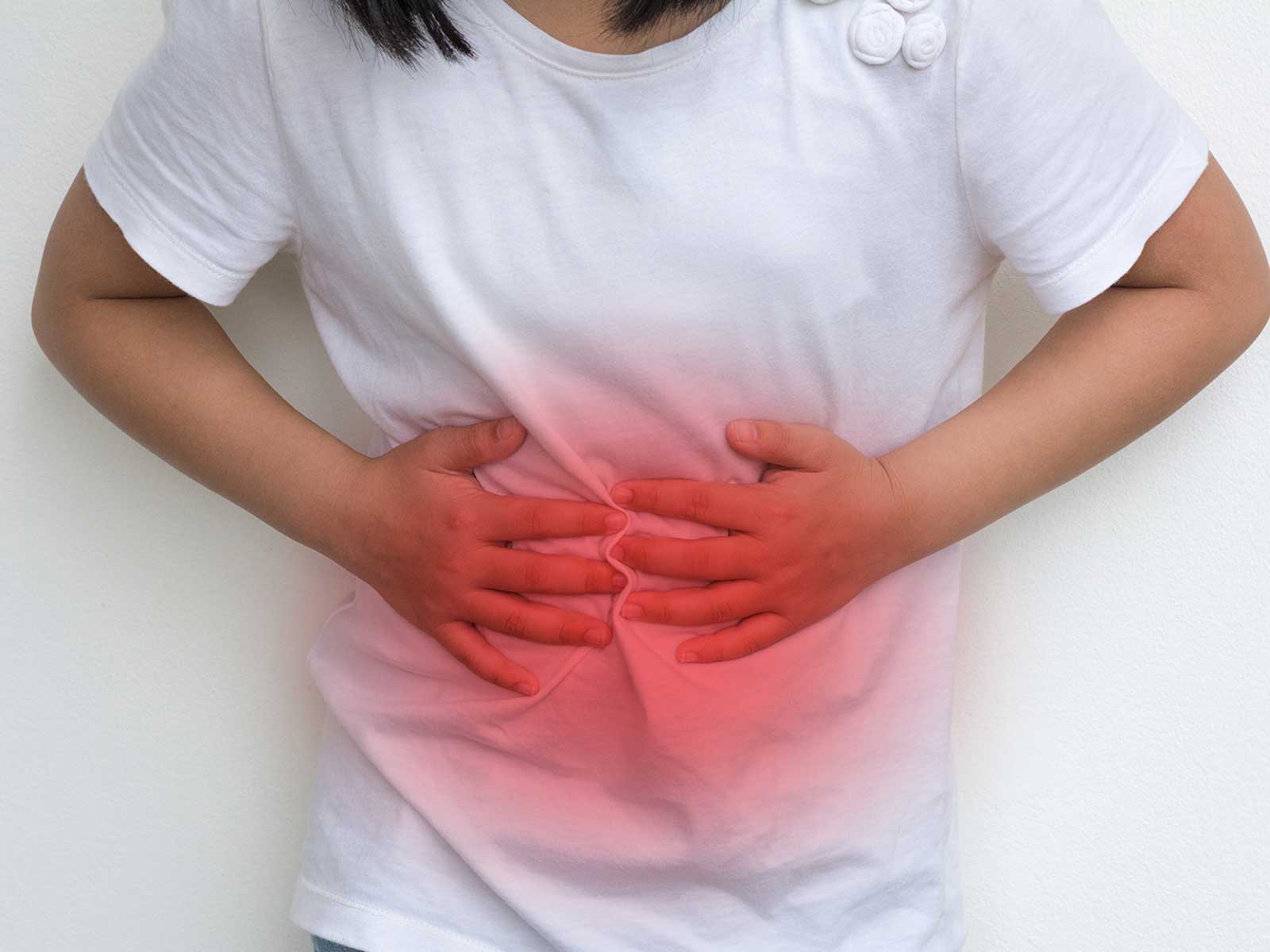








Colonic volvulus is the twisting of a section of the large intestine, preventing stool from passing and cutting off blood flow. It is often called volvulus of the colon or, when it occurs in the lower region, sigmoid volvulus. This condition can cause serious complications if not treated promptly. A gastroenterologist in Houston can easily diagnose and treat it to prevent further damage.
In most cases, symptoms appear suddenly, indicating that the colon is not functioning properly. These may include:
Several factors may contribute to the development of colonic volvulus:
Make no delay—if you’re showing signs of colonic volvulus or need a follow-up evaluation, GastroDoxs in Houston is here to help. Our board-certified gastroenterologists provide timely assessments, personalized treatment plans, and compassionate post-care to ensure your recovery and long-term digestive wellness.
Take control of your digestive health today. Call us or book an appointment online to receive expert care and the attention you deserve from our professional team.
We've successfully treated more than 1.5K patients, helping individuals improve their digestive health and overall well-being through expert, personalized care.
With over 20 years of experience, GastroDoxs has been a trusted provider of gastroenterology care, focusing on delivering the best outcomes for patients
Dr. Bharat Pothuri is a board-certified expert in Gastroenterology and Hepatology with extensive training and expertise in both digestive health and liver diseases.
He is deeply committed to providing personalized care, focusing on understanding each patient’s unique needs. His approach combines advanced diagnostic techniques with tailored treatment plans to ensure the best possible outcomes. Patients appreciate his compassionate care and thorough approach, and many express high satisfaction with the improvements they experience in their digestive and liver health under his expert guidance.
An untreated twist can block blood flow to the bowel, leading to tissue death (necrosis), bowel perforation, infection (peritonitis), sepsis, and other life-threatening complications.
Doctors use abdominal X-rays and CT scans to identify the location and extent of the twist. Additional procedures, such as flexible sigmoidoscopy or colonoscopy, may confirm the diagnosis — and in some cases, the volvulus can be corrected during the exam.
Colonic volvulus is uncommon in the U.S. It occurs more frequently in older adults, those with chronic constipation, individuals who have had recent abdominal surgery, or patients with anatomical variations in the colon.
Yes, though it’s rare. In children, symptoms often appear suddenly and may include severe abdominal pain, bloating, nausea, and vomiting. Comprehensive evaluation is essential for diagnosis and management.
Most patients who undergo surgery, such as a sigmoidectomy, stay in the hospital for about 3–5 days. Recovery includes pain control, gradual reintroduction of food starting with clear liquids, and scheduled follow-up visits to monitor healing.
Yes. In many cases, non-surgical management is possible. A gastroenterologist can perform endoscopic detorsion using a flexible tube to untwist the colon. IV fluids and bowel rest support recovery and help the colon heal.
Maintain a high-fiber diet, stay hydrated, and avoid straining during bowel movements. Regular check-ups and dietary guidance are recommended for those at higher risk.
Sigmoid volvulus is the most common form because that section of the colon is highly mobile. It carries a greater risk of ischemia and perforation, but early detection and treatment significantly reduce these risks.
Seek emergency care immediately if you experience persistent vomiting, severe abdominal pain or cramps, extreme bloating, or an inability to pass stool or gas.
With prompt and proper treatment, most people recover fully. Without timely care, complications such as recurrent volvulus, adhesions, or the need for a permanent ostomy can occur in severe cases.