






Hepatic fibrosis is the scarring which occurs in the liver following injury which is repeated or chronic. Overtime, this scarring will deteriorate liver functions and cause cirrhosis otherwise. It is possible to prevent or reverse the damage at the initial stages of its progression through the timely detection and treatment.
None of them may be present when organising fibrosis in an early stage. As the scarring advances, you can see:
A lot of factors can damage liver cells causing fibrosis:
There are specialists of GastroDoxs in Houston who provide patient-centered and holistic care to hepatic fibrosis patients. FibroScan and liver biopsy with separate treatment programs are increased as a type of diagnostics to slow down or even reverse liver scarring. Do not lose another moment to save your health-book on your liver, in book your appointment to day, and have the professional assistance with which you have claim made.
We've successfully treated more than 2.7K patients, helping individuals improve their digestive health and overall well-being through expert, personalized care.
With over 20 years of experience, GastroDoxs has been a trusted provider of gastroenterology care, focusing on delivering the best outcomes for patients
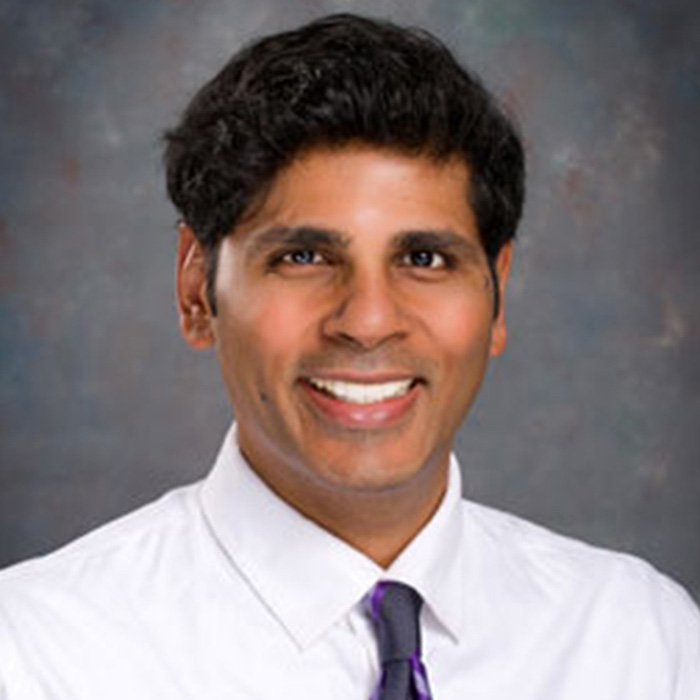
Dr. Bharat Pothuri is a Board-Certified Gastroenterologist and Hepatologist. With extensive experience in digestive health, he specializes in advanced endoscopic procedures, chronic GI disorder management, and preventive care. Dr. Pothuri is dedicated to providing expert, patient-focused insights to help improve gut health and overall well-being.
K76.6 is the medical records and billing official diagnosis.
Doctors use stages F0 to F4 to refer to the amount of scar tissue in the liver. F0 no scarring, F1-F2 mild, moderate scarring, F3 severe scarring and F4 cirrhosis.
Yes. when discovered and managed in their first rudimentsary stage. Stages F1 and F2 can be supplemented with the medical treatment and lifestyle modifications, but more severe stages require a closer consideration.
Diagnosis is largely dependent on tests in order to confirm liver enzymes with blood tests, stiffness measurement (FibroScan and MRI elastography); and in some instances, liver biopsy to confirm the stage.
The deposition of scar tissue in the liver is referred to as fibrosis and the end stage of fibrosis is cirrhosis (stage F4) that has large deposits of scar tissue and liver dysfunction.
A gastroenterologist or hepatologist (liver specialist) in liaison with dietitians and radiologists among others would treat hepatic fibrosis to offer holistic care.
Absolutely. The initial fibrosis may be prevented or even reversed through a nutritious diet, physical activity, weight management, and alcohol intake.
A specialist should be seen as soon as possible in case of chronic hepatitis B or C, fatty liver disease, abnormal liver test, and such symptoms as jaundice or swellings.
Common are fibroscan, MRI elastography, ultrasound-based elastography, blood test of liver enzymes and as required, liver biopsy.
Frequency of follow-up is determined by your stage of fibrosis and cause but most patients are followed up following each 6-12 months by using noninvasive tests or blood.