Many people in Cypress, TX wonder the same thing: Why am I so gassy all the time? Gas is common, and in many cases it is related to diet, eating habits, or temporary changes in digestion. But when gas becomes frequent, foul-smelling, painful, or tied to bloating, constipation, diarrhea, or abdominal discomfort, it may point to an underlying digestive issue that deserves medical attention.
Gas forms in the digestive tract in two main ways. First, people swallow air while eating, drinking, chewing gum, or talking during meals. Second, bacteria in the intestines break down food, especially carbohydrates that are not fully digested in the small intestine. That fermentation process creates gas. Some amount of gas is completely normal. The problem begins when symptoms are persistent, disruptive, embarrassing, or linked with other symptoms.
For some people, the issue is simple. They may be eating quickly, drinking carbonated beverages, or consuming foods that naturally produce more gas. For others, the pattern is more complex. Recurrent gas may be linked to constipation, irritable bowel syndrome, lactose intolerance, small intestinal bacterial overgrowth, celiac disease, or other digestive disorders. That is why frequent gas should not always be dismissed as “just something I ate.”
At GastroDoxs in Cypress, patients often ask whether gas alone is serious. The answer depends on the pattern. Mild gas after beans, onions, dairy, or soda is common. Gas that keeps returning, distends the abdomen, causes pain, disrupts sleep, or comes with weight loss, nausea, vomiting, rectal bleeding, or changes in bowel habits needs a closer look.
This guide explains what constant gas can mean, what causes are most common, what symptoms matter most, and when it makes sense to see a gastroenterologist in Cypress, TX.

Feeling gassy all the time can mean different things to different people. Some patients describe frequent burping. Others mean upper abdominal pressure, stomach gas, bloating after meals, or repeated passing of gas throughout the day. Some notice odor more than volume. Others say their belly feels tight, swollen, or noisy.
That difference matters because the location and pattern of gas can suggest different causes. Gas in the upper abdomen may relate more to swallowing air, reflux, delayed stomach emptying, or food habits. Gas with lower abdominal cramping may point more toward fermentation in the colon, constipation, IBS, or food intolerance. Gas with diarrhea can suggest lactose intolerance, infection, celiac disease, or malabsorption. Gas with hard stools and infrequent bowel movements may reflect slow transit constipation.
It is also important to separate gas from bloating and visible distension. A person may feel bloated even when gas is not excessive. Another may produce more gas than normal with little discomfort. Some people are more sensitive to normal intestinal stretching, which is common in IBS. In that setting, even average gas production can feel extreme.
So the right question is not only “How much gas do I have?” but also:
These details help determine whether the problem is mostly dietary, functional, or part of a digestive condition that needs evaluation.
The most common causes of gas are not dangerous. They often come down to how a person eats, what they eat, and how their body handles fermentation.
When people eat fast, they tend to swallow more air. The same can happen with drinking through straws, talking while eating, chewing gum, or sucking on hard candy. That extra air can lead to stomach pressure, belching, and a sense of trapped gas.
Soda, sparkling water, beer, and other fizzy drinks introduce air into the stomach. In some people, this causes mainly burping. In others, it contributes to a fuller, more bloated feeling.
Beans, lentils, chickpeas, broccoli, cabbage, cauliflower, onions, garlic, and some whole grains can increase gas. These foods are not “bad.” Many are highly nutritious. But some people digest them more comfortably than others.
Ingredients such as sorbitol, xylitol, mannitol, and erythritol can trigger gas and bloating. These are often found in “sugar-free” gum, candy, protein bars, and diet products.
Fiber is helpful for many digestive problems, but increasing it too quickly can temporarily increase gas. This is especially true if water intake does not rise at the same time.
Milk, ice cream, and soft cheeses can cause gas in people with lactose intolerance. This happens when the body does not make enough lactase, the enzyme needed to digest lactose.
If gas improves after adjusting one or more of these habits, the cause may be straightforward. But if symptoms continue despite reasonable diet changes, more evaluation may be needed.
When gas becomes persistent or comes with other digestive symptoms, a medical cause becomes more likely.
Constipation is one of the most common causes of gas and bloating. When stool sits too long in the colon, fermentation increases. The abdomen may feel full, tight, or heavy. Some patients with constipation do not realize they are constipated because they still have daily bowel movements, but the stools may be incomplete, hard, or difficult to pass.
IBS often causes a combination of gas, bloating, abdominal pain, urgency, constipation, diarrhea, or alternating bowel habits. Patients with IBS may be more sensitive to normal intestinal stretching, which makes gas feel more severe than it otherwise would.
A person with lactose intolerance may do fine with a little dairy but develop gas, cramping, bloating, or diarrhea after larger amounts. This pattern is common and often overlooked.
Some patients react poorly to high-FODMAP foods. These are fermentable carbohydrates that can trigger gas and bloating in sensitive individuals. Common examples include onions, garlic, wheat, beans, apples, and some sweeteners.
SIBO happens when bacteria increase in the small intestine where they are not supposed to be concentrated. Symptoms may include gas, bloating, distension, abdominal discomfort, diarrhea, or inconsistent bowel habits. SIBO is more likely in some patients with motility problems, prior surgery, diabetes, or IBS-like symptoms.
Celiac disease is an immune reaction to gluten that damages the small intestine. Symptoms may include gas, bloating, diarrhea, weight loss, nutrient deficiencies, fatigue, or iron deficiency anemia. Some patients have mild symptoms, so testing is sometimes necessary even when the presentation seems subtle.
If food is not digested well, fermentation increases. In some cases, gas comes with greasy stools, unintended weight loss, or nutritional deficiencies. This pattern may suggest malabsorption and deserves prompt evaluation.
Some patients in Cypress do not mainly complain about passing gas. Instead, they say they have gas in the stomach, upper abdominal pressure, repeated burping, or fullness after eating. This pattern may be related to:
Upper abdominal gas that comes with early fullness, nausea, vomiting, or repeated discomfort after meals should not be ignored. It may not be a colon issue at all. Sometimes the problem is more about how the stomach empties or how the upper digestive tract handles meals.
That is one reason a symptom-based digestive evaluation matters. “Gas” is a broad word, but the location and pattern help guide next steps.
Patients often ask for a simple list of foods to avoid. The truth is that gas triggers vary from person to person, but several groups are common.
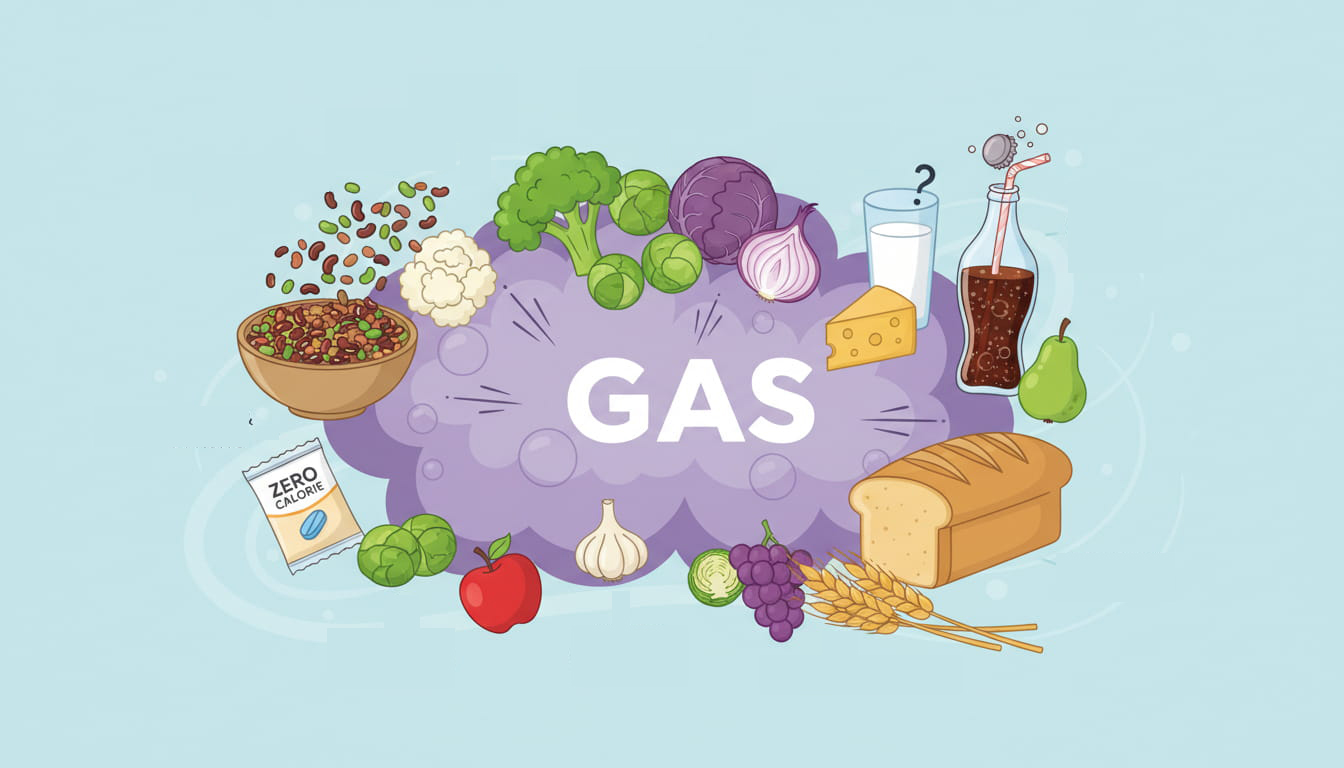
Rather than cutting everything at once, it is often more helpful to track meals and symptoms for two to three weeks. A food and symptom journal can reveal patterns that are hard to notice day to day.
Gas becomes more important medically when it is linked to changes in bowel habits.
This often points toward slow movement of stool, incomplete emptying, IBS-C, or pelvic floor issues. Many patients say they feel “full of gas” when the real issue is retained stool plus fermentation.
This can happen with lactose intolerance, infection, IBS-D, celiac disease, or other malabsorption conditions. If diarrhea is persistent, urgent, or occurs at night, it should be evaluated.
Mild cramping can happen with simple gas. Severe pain, progressive pain, or pain linked with fever, vomiting, or inability to pass stool is different. That pattern needs quicker attention.
A swollen abdomen may reflect bloating, constipation, fermentation, fluid retention, or another abdominal issue. It should not be assumed to be harmless if it keeps returning.
That combination is more concerning. It may suggest malabsorption, inflammation, celiac disease, or another digestive disorder that needs prompt workup.
Some gas is a normal part of digestion. It does not always mean disease. What separates normal gas from a problem is usually one or more of the following:
Many people wait a long time before seeing a GI specialist because gas feels embarrassing or “too small” to mention. But ongoing symptoms often affect quality of life, social comfort, work, sleep, and diet. More importantly, persistent gas may be one piece of a bigger digestive picture.
Gas itself is rarely an emergency, but gas with certain red flags should not be brushed aside.
Seek urgent care right away if abdominal pain is severe, the abdomen becomes rigid, vomiting will not stop, or you cannot pass stool or gas along with swelling and pain.
At GastroDoxs, evaluation starts with the symptom pattern. Gas is not diagnosed in isolation. The goal is to understand what is causing it.
A gastroenterology workup may include:
Your GI specialist will ask about:
A focused abdominal exam may help identify distension, tenderness, bowel pattern clues, or signs that something more than simple gas is happening.
Depending on symptoms, testing may include blood work for anemia, inflammation, celiac disease, thyroid issues, or nutritional deficiencies.
If diarrhea, foul smell, or infection is suspected, stool studies may be appropriate.
Breath tests may help evaluate lactose intolerance or SIBO in selected patients.
If symptoms include pain, bleeding, weight loss, anemia, or other concerning features, endoscopy, colonoscopy, or imaging may be recommended.
This approach matters because different causes require very different treatments. The right answer is not always “take more fiber” or “avoid dairy.” Sometimes the real problem is constipation. Sometimes it is IBS. Sometimes it is SIBO or celiac disease. Sometimes it is a combination.
Treatment depends on the cause, but common strategies include:
This may involve reducing specific triggers rather than cutting out entire food groups blindly. A temporary low-FODMAP approach may help selected patients, especially those with IBS-like symptoms.
Eating more slowly, limiting carbonated beverages, avoiding gum, and reducing oversized meals can help significantly.
If stool retention is part of the problem, treating constipation often improves gas and bloating more than anything else.
Some patients improve with lactose reduction or lactase enzyme supplements.
Patients with IBS may need a mix of diet changes, bowel-regulating treatment, gut-directed therapy, or medication.
If testing supports one of these causes, targeted treatment may be appropriate.
In some patients, symptoms are bothersome but not dangerous. Clear guidance, diet strategy, and monitoring can be enough.
The key is individualized care. What works for one person with gas may not work for another, even if the symptoms sound similar.

You should consider seeing a gastroenterologist if:
Persistent gas is often manageable, but it should be evaluated properly when it becomes chronic. A specialist can help distinguish common dietary causes from IBS, intolerance, SIBO, celiac disease, constipation-related gas, and other GI conditions.
For patients in Cypress, TX, GastroDoxs provides evaluation for digestive symptoms including excessive gas, bloating, abdominal discomfort, changes in bowel habits, and food-related GI concerns. The goal is not just to temporarily suppress symptoms, but to identify why they are happening.
So, why are you so gassy all the time? In some cases, it is related to diet, fast eating, carbonation, or temporary fermentation. In other cases, it may be a clue to constipation, IBS, lactose intolerance, SIBO, celiac disease, or another digestive condition.
The most important thing is not to guess for too long when the pattern is persistent. Gas that is frequent, painful, foul-smelling, or linked with bloating or bowel habit changes deserves a more complete look. That is especially true when symptoms affect comfort, confidence, work, sleep, or quality of life.
If you are dealing with constant gas in Cypress, TX, GastroDoxs can help evaluate the cause and guide a treatment plan based on your symptoms, diet, and digestive health history.
Dr. Bharat Pothuri is a Board-Certified Gastroenterologist and Hepatologist. With extensive experience in digestive health, he specializes in advanced endoscopic procedures, chronic GI disorder management, and preventive care. Dr. Pothuri is dedicated to providing expert, patient-focused insights to help improve gut health and overall well-being.
Yes. Some gas every day is normal. The issue is not whether gas exists, but whether it is excessive, painful, foul-smelling, or linked with other symptoms such as bloating, constipation, diarrhea, or abdominal pain.
Healthy foods can still produce gas. Beans, vegetables, fruit, and high-fiber foods are nutritious but may ferment more in some people. The answer is not always to avoid healthy food. Sometimes the issue is the amount, timing, or an underlying digestive sensitivity.
Yes. Constipation is a major cause of gas and bloating. When stool sits too long in the colon, fermentation increases and the abdomen may feel full, tight, or uncomfortable.
Not always. Certain foods naturally make gas smell stronger. But persistent foul-smelling gas, especially with diarrhea, pain, or major bloating, can suggest food intolerance, malabsorption, infection, or another digestive issue.
A gastroenterologist is the right specialist when gas is frequent, persistent, painful, or linked with other digestive symptoms. GastroDoxs in Cypress evaluates these patterns in a structured way.
By itself, gas is usually not serious. But gas with weight loss, bleeding, vomiting, fever, severe pain, or ongoing bowel changes should be evaluated promptly.