








The iron very much matters when it comes to your health because it helps to carry oxygen in your body through the help of the red blood cells. Iron deficiency anemia (IDA) can be caused by low levels of iron and this can cause your energy levels to be depleted and that would have an impact on your everyday life. Probably, in case you feel unusually tired, dizzy, or breathless, it can be a sign that you are iron deficient. In this blog, we will discuss the importance of iron, the symptoms of an iron deficiency anemia and ways to control or prevent this problem, but the discussion will be encompassed to Jersey Village, TX.
Iron Deficiency Anemia is a disease that occurs when you do not have enough iron in your body to form hemoglobin which is the constituent of the red blood cells that carries oxygen. Without a sufficient amount of hemoglobin, your body is unable to provide the necessary amount of oxygen to the tissues and organs, and that is why anemic people tend to feel tired and weak. Despite being a common problem, iron deficiency anemia can be avoided or cured through appropriate interventions. The symptoms should be mentioned and medical help should be sought in Jersey Village, TX to allow one to feel better.
Iron is one of the requirements in the body among other significant processes. It is part of hemoglobin that transports oxygen in the lungs to other body organs. Iron also is crucial in the storage and usage of oxygen by your muscles. Iron in a word help provide your body with the right kind of shape to work efficiently.
When the level of iron is low, your body cannot form sufficient healthy red blood cells and this causes you to feel tired and weak among other effects of Iron Deficiency Anemia.
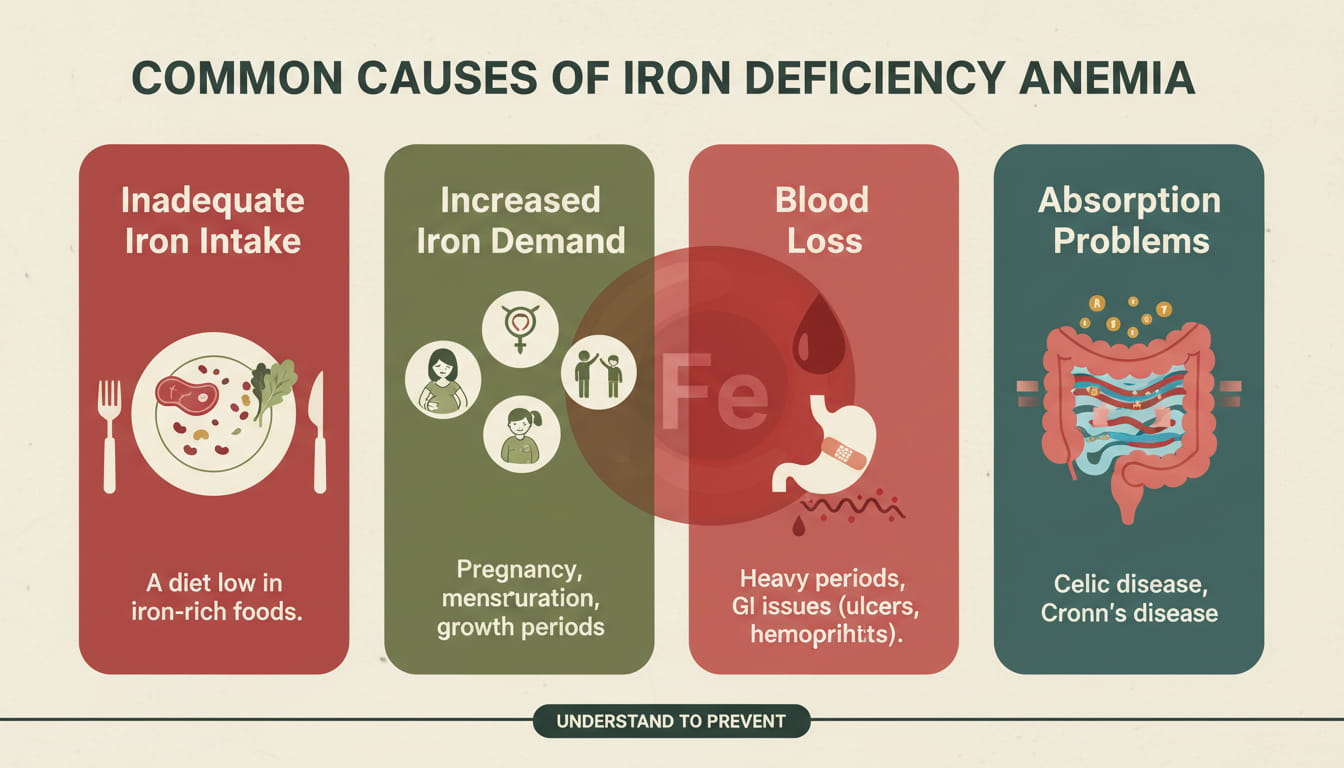
While iron deficiency anemia is treatable, understanding what causes it can help prevent it from happening in the first place. Some common causes of IDA include:
If you live in Jersey Village, TX, and are at risk for iron deficiency (especially if you're pregnant, have heavy periods, or have a digestive disorder), it's important to consult a healthcare provider to manage your iron levels.
To answer the question that you might be posing whether your symptoms can be related to iron deficiency anemia, some of the common symptoms to be considered are listed below:
When a few of the symptoms start to ring a bell, it may be time to get a test on your iron levels. To diagnose iron deficiency anemia and receive proper treatment, it is important to consult a healthcare professional in Jersey Village, TX.
Diagnosing iron deficiency anemia typically involves a blood test. Your doctor will likely order a Complete Blood Count (CBC) to check your hemoglobin and red blood cell count, along with tests like serum ferritin (to measure iron stores) and serum iron levels.
In Jersey Village, TX, there are healthcare providers who can quickly run these tests to help identify whether you’re dealing with iron deficiency anemia or another underlying condition. The earlier it’s diagnosed, the sooner you can start managing your health effectively.
Once diagnosed, there are several ways to treat Iron Deficiency Anemia, depending on the severity of your condition. Treatment may include:

While treatment for Iron Deficiency Anemia is effective, preventing it in the first place is always the best option. To avoid iron deficiency:
The iron is extremely essential to our health and therefore adequate supply of iron in our body is very crucial in keeping your body active, healthy and energetic. You do not overlook it when you experience the symptoms of Iron Deficiency Anemia. When diagnosed early and put into practice, the world would become different in restoring your health.
In the Iron Deficiency Anemia case, when you live in Jersey Village, TX, and you suspect that you might have it, make a healthcare professional call and have your iron levels checked. Treatment can be done and it takes a few days before you can experience improvement with proper treatment.
Dr. Bharat Pothuri is a Board-Certified Gastroenterologist and Hepatologist. With extensive experience in digestive health, he specializes in advanced endoscopic procedures, chronic GI disorder management, and preventive care. Dr. Pothuri is dedicated to providing expert, patient-focused insights to help improve gut health and overall well-being.
Causes include poor diet, blood loss, and conditions like Crohn’s disease or heavy menstruation.
Symptoms include fatigue, pale skin, dizziness, shortness of breath, and cold hands and feet.
A blood test is required to check hemoglobin, iron stores, and red blood cell count.
Treatment includes iron supplements, IV iron therapy, dietary changes, and addressing underlying causes.
Recovery varies but typically takes several weeks to months with proper treatment.
Yes, through a balanced diet rich in iron and regular check-ups.
Iron-rich foods include red meat, spinach, beans, and fortified cereals.
Yes, untreated IDA can cause severe fatigue, organ damage, and complications like heart problems.
Yes, children can be at risk for IDA, especially during periods of rapid growth.
Risk factors include pregnancy, heavy menstruation, poor diet, and gastrointestinal disorders.
They provide the iron needed to help your body produce more red blood cells and restore iron levels.
Yes, due to the lack of oxygen being transported throughout the body.
Improvement in energy, reduced fatigue, and better blood test results are signs of progress.
Yes, pregnant women have increased iron requirements and are more susceptible to IDA.
You can visit local gastroenterologists, primary care providers, or hematologists in Jersey Village for diagnosis and treatment.