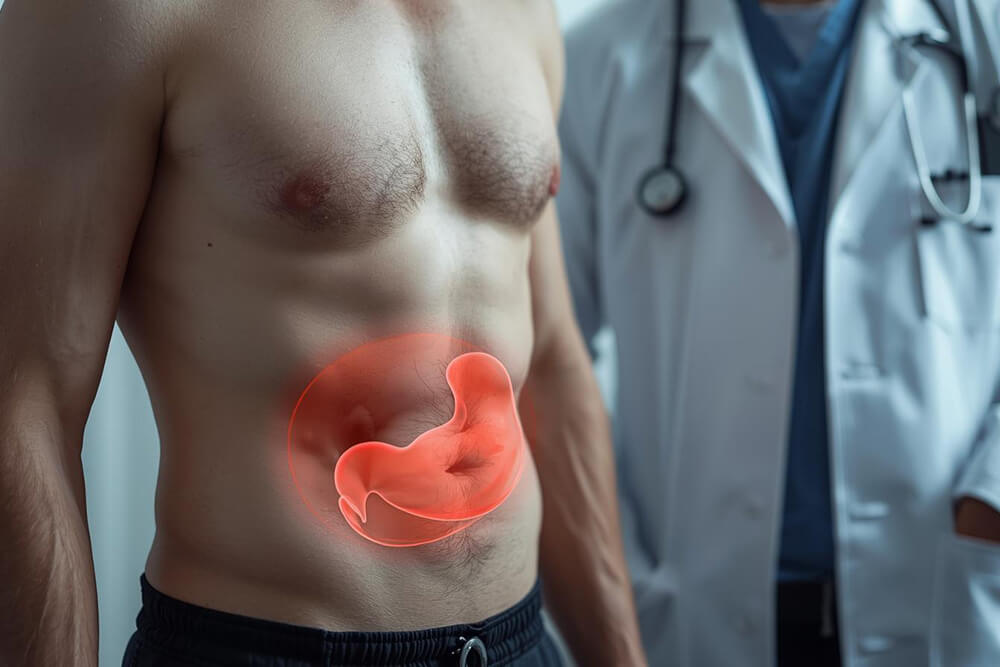








Stomach pain is one of the most common digestive concerns affecting adults and families in Jersey Village. While occasional discomfort is normal, recurring or persistent abdominal pain can interfere with daily life, disrupt eating habits, and signal an underlying digestive condition. Many people delay care, assuming the pain will pass on its own, but stomach pain is often the body's way of asking for attention.
In Jersey Village, stomach pain frequently develops due to a combination of lifestyle habits, stress, diet choices, and digestive health conditions. Understanding how stomach pain presents, why it occurs, and how it is treated can help patients make informed decisions and avoid long-term complications
Stomach pain does not feel the same for every person. Some experience a dull ache after meals, while others notice sharp or burning pain that comes unexpectedly. The abdomen contains several organs, and pain can originate from the stomach, intestines, liver, gallbladder, or pancreas. Because of this, abdominal pain can appear in different locations and change over time.
Pain may occur immediately after eating, several hours later, or during the night. Some people notice discomfort when their stomach is empty, while others feel pain only after certain foods. This variation makes proper evaluation important, as the pattern of pain often reveals its cause.
Modern routines play a significant role in digestive discomfort. Busy schedules often lead to skipped meals, rushed eating, or late-night dinners. These habits can overwhelm digestion and increase acid production, leading to irritation of the stomach lining.
Diet also matters. Spicy foods, fried meals, processed snacks, caffeine, carbonated drinks, and alcohol are common triggers. Stress further worsens symptoms by affecting gut motility and increasing sensitivity within the digestive tract. Seasonal heat and dehydration may slow digestion, contributing to bloating, cramping, and constipation-related pain.
While lifestyle-related stomach pain may start mild, repeated exposure to triggers can turn occasional discomfort into a chronic issue.
Stomach pain often stems from digestive conditions that develop gradually. Acid reflux is a leading cause, particularly when pain feels burning or worsens after meals or when lying down. Chronic reflux can irritate the esophagus and stomach, leading to persistent symptoms.
Inflammation of the stomach lining, known as gastritis, may cause aching or burning pain, nausea, and early fullness. It can be triggered by infections, medications such as NSAIDs, alcohol use, or stress. Indigestion is another frequent cause and may occur after heavy meals or eating too quickly.
More persistent pain may be related to peptic ulcers, which are sores that form in the stomach or small intestine. These ulcers often cause gnawing pain and require medical treatment. Irritable bowel syndrome is also common and leads to recurring abdominal pain associated with bloating, constipation, or diarrhea.
Gallbladder disease can cause pain on the upper right side of the abdomen, especially after fatty meals. Liver and pancreatic conditions may also present as abdominal pain and should always be evaluated by a specialist.
The area where pain is felt often provides important diagnostic clues. Upper abdominal pain, particularly beneath the ribs, is frequently linked to acid-related conditions, ulcers, or gallbladder issues. Pain that radiates to the back or shoulder may indicate biliary involvement.
Lower abdominal pain is more commonly associated with bowel-related conditions such as IBS, constipation, or infections. Cramping pain that improves after bowel movements is typical of functional bowel disorders, while worsening or migrating pain may signal inflammation or infection.
Pain that intensifies rapidly, becomes severe, or does not improve should never be ignored.
While mild stomach discomfort can be temporary, certain symptoms raise concern. Pain that lasts longer than a few days, returns frequently, or worsens over time may indicate an underlying condition. Stomach pain associated with nausea, vomiting, fever, unexplained weight loss, or blood in the stool requires prompt evaluation.
Pain that disrupts sleep or causes fear of eating is another warning sign. These symptoms suggest that the digestive tract may be inflamed, infected, or damaged and needs professional care.
Many people wait too long before seeking care for stomach pain. Early evaluation allows doctors to identify the cause before complications develop. Untreated digestive conditions can worsen over time, leading to nutritional deficiencies, chronic inflammation, or more serious disease.
Seeing a gastroenterologist early can help patients understand what is happening in their digestive system and receive targeted treatment rather than relying on temporary relief.
Diagnosis begins with a detailed review of symptoms, including timing, triggers, and pain patterns. Diet, stress levels, medications, and family history are also carefully considered. This information alone often provides valuable insight into the cause of stomach pain.
If additional testing is needed, blood tests may check for infection, inflammation, or anemia. Stool tests help detect infections or bleeding. Imaging studies such as ultrasound or CT scans allow doctors to examine abdominal organs.
Endoscopic procedures provide direct visualization of the digestive tract. Upper endoscopy helps identify inflammation, ulcers, or reflux-related damage, while colonoscopy evaluates the lower digestive system when bowel symptoms are present.
Treatment depends on the underlying cause of stomach pain. Many patients benefit from dietary changes, such as smaller meals, avoiding trigger foods, and adjusting meal timing. Managing stress and improving sleep also support digestive health.
Medications may be prescribed to reduce stomach acid, treat infections, calm inflammation, or regulate bowel movements. Probiotics may help restore gut balance in certain cases. Chronic conditions often require long-term management plans tailored to each patient.
When stomach pain is caused by ulcers, severe reflux, or structural issues, advanced treatments or procedures may be necessary. With proper diagnosis and care, most patients experience significant improvement.
Mild stomach pain may improve with rest, hydration, and dietary adjustments. Eating bland foods, avoiding greasy or spicy meals, and remaining upright after eating can help reduce discomfort. However, repeated self-treatment without improvement can delay diagnosis and worsen outcomes.
Persistent pain should always be evaluated rather than managed long-term at home.
Preventive care plays a major role in digestive health. Regular meals, balanced nutrition, hydration, stress management, and physical activity all support proper digestion. Listening to early symptoms and seeking care when needed helps prevent minor issues from becoming chronic problems.
Access to experienced gastroenterology care close to home allows patients to receive timely diagnosis and personalized treatment. Local specialists understand common dietary and lifestyle patterns in the Jersey Village community and tailor care accordingly.
If stomach pain is affecting your comfort, appetite, or quality of life, professional evaluation can provide clarity, relief, and peace of mind.
Dr. Bharat Pothuri is a Board-Certified Gastroenterologist and Hepatologist. With extensive experience in digestive health, he specializes in advanced endoscopic procedures, chronic GI disorder management, and preventive care. Dr. Pothuri is dedicated to providing expert, patient-focused insights to help improve gut health and overall well-being.
Most stomach pain is mild, but pain that is persistent, worsening, or associated with other symptoms should be evaluated.
Pain lasting more than a few days or returning frequently should be checked by a specialist.
Yes. Stress can directly affect digestion and trigger pain, bloating, and cramping.
Spicy foods, fried meals, caffeine, alcohol, and large portions are common triggers.
Mild pain may resolve, but recurring or severe pain usually requires medical care.